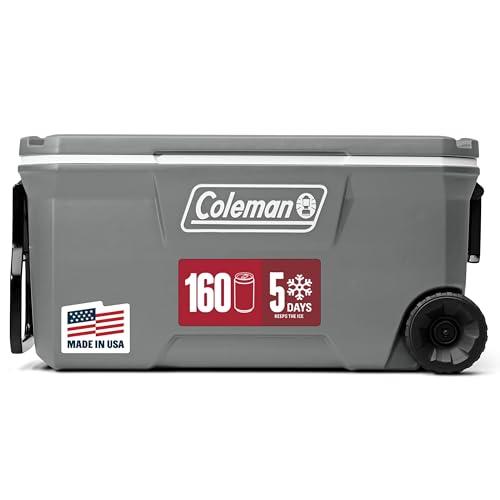
Camping Cooler Guide: Keep Food & Drinks Fresh on Every Adventure
Discover how to choose the perfect ice chest or portable fridge — from weekend trips to extended overlanding. Compare ice retention, durability, size, and smart features.
Shop Top Coolers →Why a Good Cooler Matters: Nothing ruins a camping trip faster than spoiled food, melted ice, and warm drinks. A high-quality camping cooler preserves perishables for days, reduces waste, and lets you enjoy fresh ingredients even in remote backcountry. Whether you’re car camping with the family or heading out for a weekend of wild camping, the right cooler is an essential piece of gear.
Types of Camping Coolers: Which Style Fits Your Trip?
Camping coolers have evolved far beyond simple styrofoam boxes. Today, you’ll find three main categories: traditional hard-sided ice chests (rotomolded and budget), soft-sided coolers (lightweight and portable), and electric powered coolers (thermoelectric or compressor fridges). Understanding the strengths of each type helps you invest wisely.
🥶 Rotomolded Coolers
- ✅ Extreme ice retention (5–10+ days)
- ✅ Bear-resistant & virtually unbreakable
- ✅ Heavy (30–50 lbs empty)
- ✅ Best for long trips, hunting, overlanding
🎒 Soft-Sided Coolers
- ✅ Lightweight & collapsible
- ✅ Easy to carry (backpack style)
- ✅ Ice retention: 1–2 days
- ✅ Perfect for day trips, picnics, or backpacking basecamps
🔌 Electric Portable Fridges
- ✅ No ice needed (runs on 12V / solar)
- ✅ Freezes down to -4°F
- ✅ Requires power source (solar generator recommended)
- ✅ Ideal for RV camping and van life
Ice Retention: How to Maximize Cold Hours
The most critical spec for any camping cooler is ice retention — how many days it can keep ice frozen in 90°F weather. Premium rotomolded models like Yeti, ORCA, or RTIC boast 7–10 days of ice life, while budget coolers average 2–3 days. For car camping checklists, a 5-day cooler gives you flexibility. But remember: pre-cooling your cooler, using block ice, and limiting openings dramatically extends performance.
Pro Tip: Freeze a large block of ice in a milk jug — it melts slower than cubes. Also, chill your cooler with a bag of regular ice the night before your trip. This “pre-cooling” step can add 24+ hours of extra ice life.
Cooler Sizing: Quarts & Capacity for Your Group
Choosing the right size prevents you from lugging an oversized, heavy cooler or running out of space. Here’s a quick capacity guide based on trip duration and number of campers:
| Group Size / Trip Length | Recommended Capacity (Quarts) | Typical Use |
|---|---|---|
| Solo / Weekend (1-2 days) | 20–35 Qt | Personal food, drinks, day trips |
| Couple / 3-day trip | 35–50 Qt | Enough for 2 people, plus some beer/water |
| Family of 4 / Long weekend | 50–75 Qt | Meal ingredients, snacks, drinks for 4 |
| Group camping / 5+ days | 75–120+ Qt | Massive capacity, often two cooler strategy (food/drinks separate) |
Many experienced campers use a two-cooler setup: one for beverages (opened frequently) and a high-performance cooler for perishables like meat, dairy, and vegetables. This approach preserves food longer. Check our camping essentials page for more gear organization tips.
Beyond Ice Retention: Essential Cooler Features
When comparing models, look beyond advertised ice life. These features separate great coolers from average ones:
- Insulation thickness: Rotomolded coolers have 2–3 inches of polyurethane foam vs 1 inch in budget models.
- Lid gasket seal: A freezer-style rubber gasket prevents warm air infiltration.
- Drain plug: Easy drainage of melted water without tipping the cooler.
- Latches & hinges: Heavy-duty rubber latches (like T-latches) keep the lid tight and are replaceable.
- Non-skid feet: Keeps cooler stable in your car or tent vestibule.
- Built-in cup holders or cutting board: Convenience features for camp cooking.
If you’re pairing a cooler with other gear, consider how it fits with your camping tables or camping chairs. A cooler can double as a side table or extra seat in a pinch.
Cooler Care: Keep Your Investment Fresh
After every camping trip, clean your cooler with a mixture of mild soap and baking soda to eliminate odors. Leave the lid open to air dry completely before storage. For tough smells (fish, meat), use a diluted vinegar solution. Store your cooler in a cool, dry place with the lid slightly ajar to prevent mold and rubber seal compression. Proper maintenance ensures your cooler performs for a decade or more.
Budget vs. Premium Coolers: Where to Invest
Budget coolers ($40–$100) from Igloo or Coleman are fine for weekend trips and casual use. However, if you frequently camp in hot climates, go on 4+ day excursions, or need bear-resistant certification (for food storage rules in grizzly country), a premium rotomolded cooler is a wise investment. These coolers also hold their resale value. For winter camping, insulation works both ways — they keep contents from freezing as well.
Did you know? Some national parks require bear-resistant food storage. Many rotomolded coolers are IGBC-certified bear-resistant, whereas budget coolers are not. Always check local regulations before heading out.
Pair your cooler with proper camping cookware to prepare fresh meals in the backcountry. For longer trips, a cooler combined with a camping stove and camping kitchen setup creates a complete outdoor culinary experience. Planning a beach vacation? See our beach camping checklist for sand-friendly cooler tips.