Battery Solar Panels: Your Ultimate Off-Grid Camping Power
Stay charged anywhere: portable power stations, solar generators, and panel technologies explained. Find reliable energy for lights, phones, fridges, and more.
⚡ Power your adventure confidently: Whether you're car camping, RV camping, or venturing into backcountry camping, a reliable battery solar panel setup transforms your experience. No more dead phones or cold food — modern solar generators and lightweight panels provide silent, renewable energy. This guide helps you understand key specs, compare technologies, and choose the perfect system for your gear list.
How Battery Solar Panels Work for Camping
Unlike traditional gas generators, a battery solar panel system captures sunlight via photovoltaic (PV) panels, stores energy in a portable power station (lithium battery), and delivers clean AC/DC power to your devices. These systems are lightweight, silent, and eco-friendly — ideal for tent camping, camping with dogs, or weekend getaways. Most modern units feature multiple output ports (USB-C, AC outlets, 12V car ports) to run everything from a camping lantern to a portable fridge or camping heaters.
🔋 Silent & Fume-Free
Zero noise and no carbon monoxide — safe inside tents or RVs. Perfect for stealth camping and stealth camping trips.
🌞 Renewable & Low-Cost
After initial investment, sunshine is free. Recharge anywhere without finding an electrical hookup.
📱 Versatile Charging
Charge phones, tablets, drones, CPAP machines, and camping power banks simultaneously.
♻️ Lightweight & Portable
Foldable solar panels and compact power stations fit in your camping backpack with ease.
Choosing the Right Solar Panel & Battery Type
Not all solar setups are equal. The most common panels for camping are monocrystalline (highest efficiency, 20-23%) and polycrystalline (affordable, slightly less efficient). For portable use, foldable solar panels with kickstands are best. Meanwhile, the battery (power station) chemistry matters: Lithium Iron Phosphate (LiFePO₄) lasts 3,000+ cycles and is safer for outdoor conditions. For winter camping, ensure your power station has low-temperature protection.
| Panel Type | Efficiency | Best For | Price Range (120W-200W) |
|---|---|---|---|
| Monocrystalline Foldable | 21-23% | Backpacking, solo camping, high power density | $180–$350 |
| Polycrystalline Rigid | 15-17% | Basecamp, RV roof mounts, budget-friendly | $120–$250 |
| Thin-Film (CIGS) | 10-13% | Flexible on curved surfaces, lightweight | $200–$400 |
| Portable Suitcase | 18-20% | Family camping, group sites, high durability | $250–$500 |
How to Calculate Your Power Needs
Determine total watt-hours (Wh) you need per day. For instance, a camping lantern (10W × 5h = 50Wh), phone charging (15Wh), and a camping cooler (40W × 6h = 240Wh) sum to 305Wh daily. Choose a portable power station like a 300Wh-500Wh unit for weekend trips, or 1000Wh+ for longer stays with camping stoves and electric coolers. Pair with 100W-200W solar panels to replenish within 3-6 peak sun hours. For winter camping gear, account for reduced sunlight and battery efficiency.
Essential Features of Quality Battery Solar Kits
When investing in a solar + battery system for outdoor use, prioritize these features:
- MPPT Charge Controller: Maximizes energy harvest by 20-30% compared to PWM, crucial for varied light conditions.
- Pure Sine Wave Inverter: Protects sensitive electronics (laptops, cameras) and runs induction camping cookware smoothly.
- Fast Recharge (AC + Solar): Look for dual charging (wall outlet + solar simultaneously) to top up quickly before departure.
- Water-Resistant Panels (IP65/IP67): Withstand morning dew and light rain — ideal for beach camping or humid environments.
- Pass-Through Charging: Use devices while the power station recharges from solar — convenient for extended trips.
Many modern systems also integrate with camping navigation apps to monitor battery status remotely, adding convenience for tech-savvy campers.
Real-World Usage: What Can You Power?
300Wh – Weekend Warrior
Ideal for phone (15 charges), LED string lights, tablet, and a camping lantern for 2 nights. Lightweight (4-6 lbs).
500Wh – Family & Fridge Ready
Runs a 12V portable fridge for 8-12 hours + lights, fan, and CPAP machine. Supports group camping.
1000Wh+ – Off-Grid Basecamp
Powers coffee maker, electric blanket, drone batteries, and camping heaters. Works for winter camping or remote work.
Setting Up Your Solar Panels for Maximum Output
Optimal panel placement is critical. Position panels facing south (northern hemisphere) at an angle equal to your latitude ±15°. Use an adjustable stand or hang from a tree. Avoid shading — even a small shadow dramatically reduces output. For car camping, place panels on a windshield or roof. Clean panels with a soft cloth every few days. Many foldable models come with built-in kickstands and USB outputs, making them ideal for primitive camping without heavy setup.
Why Battery Solar Beats Fuel Generators
Gas generators are noisy, emit fumes (dangerous for enclosed areas), and require fuel storage. Battery solar panels eliminate these issues while saving money over time. A $400–600 solar power station pays for itself after ~15 camping trips compared to buying gas and disposable batteries. Additionally, solar aligns with Leave No Trace principles by reducing noise pollution and carbon footprint. Many campsites also restrict generator hours, while solar is always welcome.
Extending the Life of Your Solar Battery
To ensure your lithium power station lasts for years, avoid deep discharges (keep above 20% if possible). Store at 50% charge in moderate temperatures when not in use for months. LiFePO₄ chemistry can handle 3,000–5,000 cycles — that’s daily use for 8+ years. For panels, avoid stepping on them and store in a padded bag. For emergency preparedness, solar kits are invaluable during emergency preparedness camping scenarios where grid power fails.
Ready to Upgrade Your Camping Power?
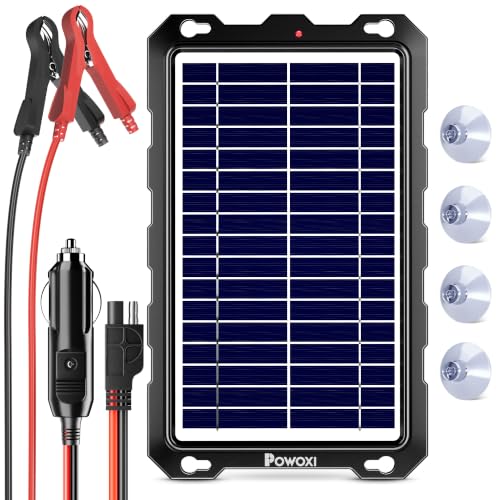
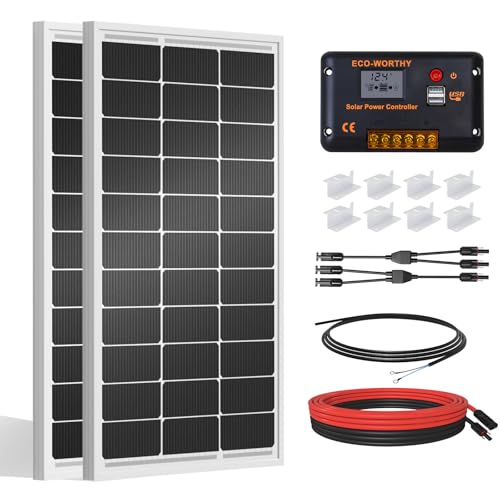
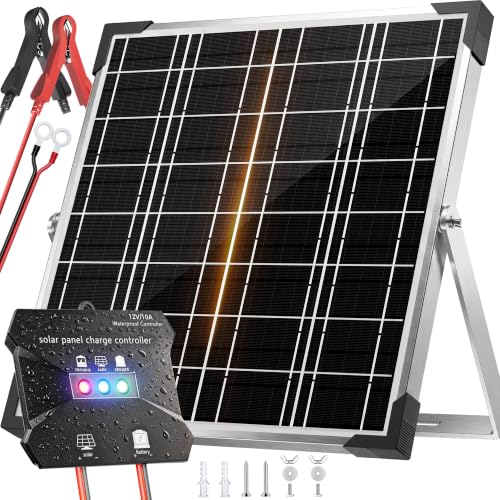
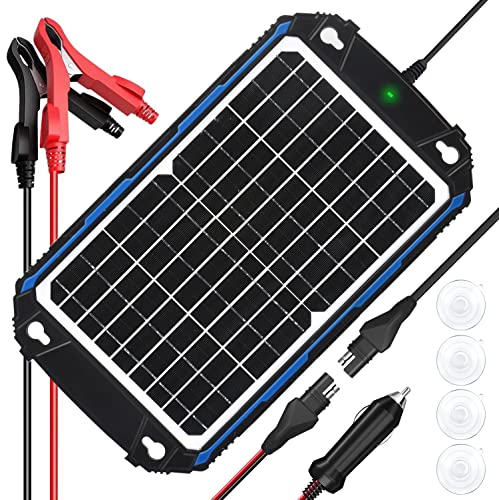
Investing in a quality battery solar panel system unlocks true off-grid freedom. Whether you need to keep your camping backpack devices charged, run a camping cooler for fresh meals, or enjoy longer remote trips without range anxiety, today’s portable solar technology delivers reliability. The products recommended below are top-rated for efficiency, durability, and value — chosen after rigorous research. Click any item to check current price and read verified buyer reviews. Power your adventure the clean way.