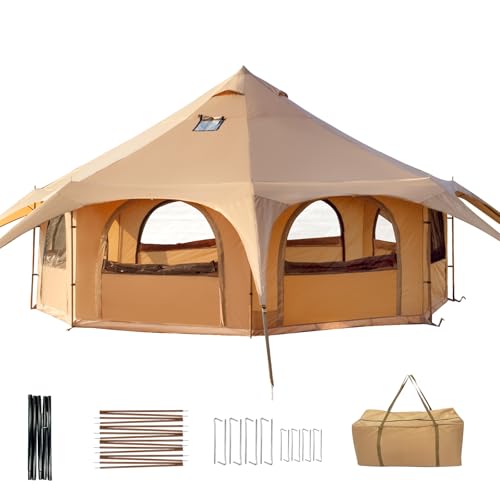
What is a 4 Season Tent with Stove Jack?
A 4 season tent with stove jack for sale is specifically engineered for cold-weather camping, featuring a heat-resistant port that allows you to safely install a portable wood-burning stove inside. Unlike standard 3-season tents, these hot tents are built with robust fabrics, reinforced pole structures to handle snow loads, and strategic ventilation to manage condensation. This setup enables you to dry wet gear, cook meals, and stay comfortable even when temperatures plummet well below freezing. It’s a game-changer for anyone serious about winter camping or hot tent camping.
Key Features to Look For Before You Buy
Investing in a hot tent requires careful consideration of materials and safety. Here are the critical features to evaluate when browsing options:
Stove Jack Construction
- Material: Look for silicone-coated fiberglass or high-temperature-resistant fabric. Avoid unrated plastic.
- Placement: Side-wall or roof jacks. Roof exits improve heat circulation.
- Safety Flap: A storm flap covers the jack when not in use.
Tent Fabric & Fire Safety
- Canvas (Cotton/Polyester): Highly breathable, naturally fire-retardant options. Best for long-term basecamps.
- Nylon/Polyester: Lightweight and waterproof but requires a flame-retardant treatment. Check manufacturer specs carefully.
Ventilation & Condensation
- Airflow: High-low vents are non-negotiable to prevent carbon monoxide buildup and manage moisture.
- Condensation Management: Single-wall tents need more venting; double-wall options offer better moisture control.
🔥 Critical Safety Note: Always use a carbon monoxide detector in your hot tent. Ensure the stovepipe extends safely above the tent and use a spark arrestor. Never leave a burning stove unattended. Review our winter camping safety guide for comprehensive precautions.
Types of Hot Tents Available
The right tent depends on your adventure style. Budget options start around $800, while premium canvas wall tents with frames can exceed $2,500.
Canvas Hot Tents
Cotton canvas is the gold standard for breathability and durability. Canvas tents retain heat well and are inherently more resistant to embers. They are the ideal choice for a stationary winter basecamp, though they are heavier and require thorough drying to prevent mildew. A canvas wall tent with a stove jack transforms a hunting camp into a warm home.
Lightweight & Teepee Hot Tents
For those who prefer to travel fast and light, nylon or polyester teepee and pyramid tents are popular. These are often floorless, allowing you to dig down into the snow for more headroom. They require less wood to heat and are excellent for backcountry camping or solo camping trips where weight is critical. A central stove placement radiates heat evenly.
Floorless vs. Built-in Floor
Many hot tents feature a floorless design, which makes managing snow, mud, and firewood debris much easier. You can walk in with boots on without worry. However, tents with a zip-in bathtub floor offer better protection against drafts and ground moisture. Your choice depends on whether you prioritize a clean, sealed environment or rugged, practical usability for activities like ice fishing or processing firewood.
Essential Gear Pairings for Your Hot Tent
Buying the tent is just the start. To complete your sleep system, you’ll need a portable camping wood stove designed for hot tents. Additionally, invest in a quality winter sleeping bag and an insulated sleeping pad with a high R-value. Proper layering is also key; read our guide on the layering clothing system. Don’t forget a heat-resistant stove mat to place under your stove on the tent floor.
[Diagram Concept: Stove Jack Installation] —
1. Stovepipe through jack -> 2. Spark arrestor on top -> 3. Tent walls secured away from pipe -> 4. Stove on protective mat.
Always maintain clearance between the hot stove and tent fabric.
What Size Hot Tent Do You Need?
Follow a similar logic to choosing a regular tent size, but account for the stove footprint. A 2-person hot tent can feel cramped with a stove inside, so consider upsizing. A 4-person tent often provides comfortable space for two adults with a stove and gear. For family-style basecamps, large canvas tents with stove jacks offer ample room for cooking, eating, and sleeping, making them a true home in the snow.
Setting up a hot tent on snow requires specific techniques. A well-prepared site includes a windbreak and a tamped-down snow platform. Learn the nuances of how to setup a tent on snow to ensure your shelter remains secure through winter storms. Also, always pack a winter emergency kit with navigation tools like a reliable GPS device.