Best Time to Camp: Seasonal Guide for Perfect Outdoor Trips
Unlock the secrets of every season: weather, crowds, wildlife, and gear recommendations to plan your ideal camping adventure.
Explore Seasons →Why timing transforms your camping experience: Choosing the right season affects comfort, safety, scenery, and even the gear you pack. Whether you prefer mild spring blooms, sunny summer lakes, vibrant fall foliage, or serene winter snowscapes — each window offers unique rewards. Read on to match your camping style with nature's calendar.
Seasonal Camping at a Glance
Spring
- ✅ Mild temperatures & blooming nature
- ✅ Fewer crowds before peak summer
- ⚠️ Unpredictable rain & muddy trails
- ⚠️ Some facilities still closed
Summer
- ✅ Warm days, long daylight
- ✅ Full access to amenities & activities
- ⚠️ Crowded campgrounds, higher prices
- ⚠️ Heat, bugs & wildfire risk
Fall
- ✅ Crisp air, stunning foliage
- ✅ Fewer insects & reduced crowds
- ⚠️ Rapid temperature drops at night
- ⚠️ Early snow in high elevations
Winter
- ✅ Total solitude & snow-covered landscapes
- ✅ No bugs, unique activities (snowshoeing)
- ⚠️ Extreme cold, shorter days
- ⚠️ Specialized gear required
In-Depth Season Guide: Pros, Cons & Essential Tips
🌱 Spring Camping (March – May)
Spring offers a sweet spot between winter chill and summer heat. Daytime temperatures range from 50–70°F (10–21°C) in many regions, making hiking and camp setup comfortable. Waterfalls are at peak flow, wildflowers emerge, and wildlife becomes active. However, spring showers are common, and snowmelt can cause high river levels. Many campgrounds in mountainous areas remain closed until late May. If you plan a spring trip, check facility openings and bring waterproof camping tent with a full-coverage rainfly. Layered clothing, including a reliable camping blanket for cool nights, is essential.
For families, spring break crowds appear in popular national parks like Yosemite camping or Smoky Mountains camping, but midweek stays remain peaceful. Always pack extra fire-starting materials and a camping lantern for overcast days. Spring is ideal for car camping because you can bring more comfort gear without heavy backpacking loads.
☀️ Summer Camping (June – August)
Summer is the most popular camping season, offering long sunny days and vibrant nature. Average temperatures range from 70–90°F (21–32°C) depending on elevation. This is prime time for lake camping, beach camping, and high-altitude adventures. However, popular destinations like Rocky Mountain NP and Joshua Tree camping fill up months in advance, so reservations are crucial. Summer brings mosquitoes, ticks, and potential for afternoon thunderstorms in mountain regions. A quality camping cooler becomes your best friend for keeping food fresh, and a lightweight camping stoves allows quick meals without heating your tent. For sleeping comfort, consider a camping cots for airflow and better rest.
Hydration and sun protection are non-negotiable. Use a portable power stations to keep fans and devices charged. If you dislike crowds, target weekdays or lesser-known BLM camping areas. Summer is also perfect for family camping with kids because swimming, fishing, and outdoor games are in full swing.
🍁 Fall Camping (September – November)
Many experienced campers consider autumn the best time to camp. Cooler temperatures (40–70°F / 4–21°C), fewer bugs, and spectacular foliage create a magical atmosphere. Crowds thin out after Labor Day, giving you a sense of solitude in places like Colorado camping or Adirondacks camping. Nighttime temperatures can drop near freezing, so a proper winter sleeping bags or a layered system with a camping blanket is necessary. Fall also brings hunting seasons in many public lands — wear blaze orange and check regulations via your camping safety checklist.
This season is excellent for backpacking checklist adventures because milder weather reduces water carry needs. A camping heaters can extend your comfort into late October. For cooking, warm meals like stews and hot drinks shine; a camping kettle for tea or coffee becomes a ritual. Don’t forget to check fire ban guide as dry conditions may still exist early fall.
❄️ Winter Camping (December – February)
Winter camping is not for everyone, but for those seeking silence and starry nights, it's unbeatable. Daytime highs often stay below freezing, and nights can plunge to -20°F (-29°C) in northern regions. Specialized gear is mandatory: a four-season winter tents, insulated camping mats, and winter camping gear like a high R-value sleeping pad. Many campgrounds close, but winter camping enthusiasts enjoy dispersed camping or hot tent camping with wood stoves. Popular winter destinations include winter camping Yellowstone and snow camping Alaska for true adventurers.
Key skills include how to stay warm winter, melting snow for water, and avalanche safety in backcountry zones. Always carry a camping first aid kit with frostbite supplies. Despite the challenges, winter rewards you with untouched landscapes, no bugs, and a profound connection to nature. If you're new to cold-weather camping, start with a car camping checklist near your vehicle for emergency backup.
Month-by-Month Camping Recommendations
| Month | Best For | Watch Out For | Gear Focus |
|---|---|---|---|
| January | Snow camping, solitude | Extreme cold, short days | Winter tent, insulated pad, portable stove |
| February | Winter sports, frozen waterfalls | Blizzards, avalanche risk | Snowshoes, thermal layers |
| March | Milder winter camping, early spring blooms (deserts) | Mud, unpredictable rain | Rainfly, waterproof boots |
| April | Waterfall season, desert blooms (Arizona desert) | Snowmelt flooding, campground closures | Camping tarp, quick-dry clothing |
| May | Green landscapes, fewer crowds | Mosquitoes begin, high streams | Bug repellent, extra socks |
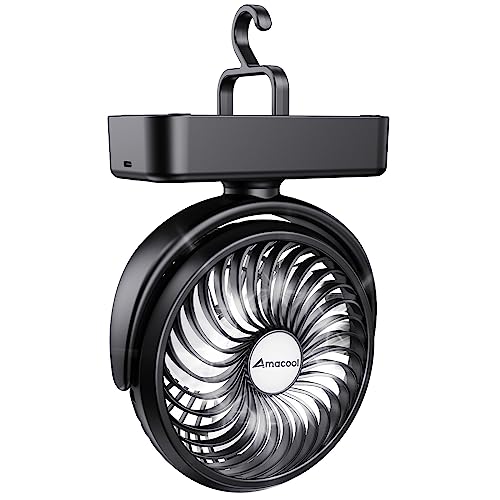
| June | Longest days, alpine access | Crowded, wildfire starts | Portable fan, sun shade |
| July | Swimming, star gazing, festivals | Heat, booking hassles | Cooler, rechargeable lantern |
| August | Perseid meteor shower, high lakes | Afternoon thunderstorms (mountains) | Lightning safety, portable radio |
| September | Fall colors, comfortable hiking | Early snow in high peaks | Layered clothing, sleeping bag rated to 20°F |
| October | Peak foliage, elk rutting | Rapid night temperature drops | Camping heaters, insulated mat |
| November | Late fall solitude, coastal camping | Hunting seasons, rain | High-visibility vest, waterproof shelter |
| December | Festive winter camping, holiday trips | Ice, limited daylight | Headlamp, hot tent setup |
🎯 How to Choose YOUR Best Time to Camp
Ask yourself these questions: Do you want warm swimming weather? Aim for June–August but book early. Prefer solitude and mild temps? Late spring or early fall (May, September) is perfect. On a budget? Shoulder seasons (April, October) often have lower campground fees. If you have a camping with kids checklist, summer offers the most kid-friendly activities, while fall provides amazing educational moments with changing leaves. For photographers, fall color and winter snowscapes are unbeatable. Always cross-reference with local climate data and your preferred camping styles. A well-timed trip also reduces the need for heavy camping essentials like extra insulation — saving money and pack weight.
Don’t forget to check for events like meteor showers (August Perseids) or national park free days. And always prepare a emergency preparedness camping plan regardless of season.
Best Time to Camp at Popular Destinations
- 🏔️ Rocky Mountain NP: July–September (snow-free trails) | Winter: December–March (snowshoeing)
- 🏜️ Joshua Tree Camping: October–April (avoid summer heat) | Spring for wildflowers
- 🌲 Smoky Mountains camping: May, September–October (fewer crowds & pleasant temps)
- 🏕️ Yosemite camping: Late spring (waterfalls peak) or early fall (mild weather)
- ❄️ Winter camping Colorado: December–February for backcountry skiing, June–August for high-altitude hiking
- 🌊 Oregon Coast Camping: July–September (least rain), but winter storm watching is spectacular
Seasonal gear adaptation matters: Your camping gear should evolve with the calendar. Summer demands ventilation and sun protection, while winter requires insulation and cold-weather cooking. Always review camping checklists specific to the season before departure. A camping chair might be the same, but your sleep system changes dramatically.
Frequently Asked Questions
September is widely considered ideal because of mild temperatures, low humidity, minimal bugs, and thinner crowds after Labor Day. Plus, foliage starts turning in northern regions.
Absolutely! With proper winter camping skills and gear, you can enjoy every month. Many parks have year-round access, but always check seasonal closures and campfire regulations.
Yes. Shoulder seasons (spring and fall) often have reduced fees, and you’ll find more availability without booking months ahead. Use this to try primitive camping or dispersed camping for free.
Final verdict: The best time to camp depends entirely on your comfort zone and adventure goals. Spring offers renewal, summer delivers classic memories, fall brings crisp perfection, and winter provides unmatched serenity. Use this guide to match the season with your preferred camping styles, then prepare your camping essentials accordingly. No matter when you go, always follow Leave No Trace principles.