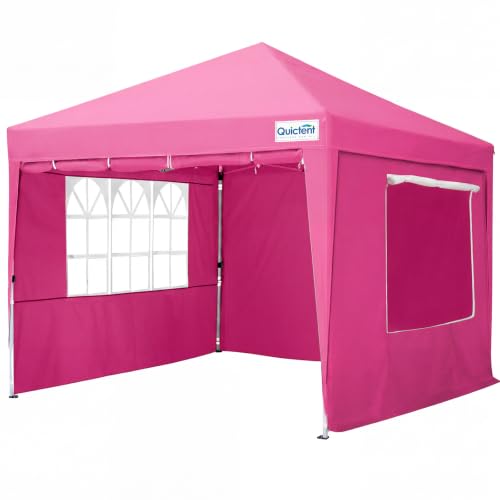
Canopy With Walls 10x10: The Complete Guide to Choosing the Right Shelter
A 10x10 canopy with walls delivers versatile shade, wind protection, and privacy for camping, tailgating, markets, and backyard events. This guide covers everything you need to make a confident buying decision.
START THE BUYING GUIDEWhy a 10x10 canopy with walls? The 10-by-10 footprint hits the sweet spot between coverage and portability. It shelters a picnic table, a vendor booth, or a small campsite kitchen without demanding a truck to transport. When you add sidewalls, you gain protection from angled sun, wind-driven rain, and prying eyes — a combination that turns a simple pop-up into a genuine outdoor room. According to seasoned campers, a canopy tent weight of around 30–50 pounds is manageable for two people, though lighter aluminum-frame models exist for solo setup.
What Exactly Is a 10x10 Canopy With Walls?
A 10x10 canopy with walls is a freestanding shelter built around a 10-foot by 10-foot frame. The top is a taut fabric roof — typically polyester or Oxford cloth — and the walls are removable fabric panels that attach to the frame legs and roof edges. Most models use hook-and-loop straps, zippers, or clips to secure the walls, and many include a wheeled carry bag for transport.
These shelters fall into two broad categories: instant pop-up canopies that unfold in seconds, and pole-style canopies that require assembly but often feel sturdier. For camping and event use, the instant pop-up design dominates because it saves time and frustration. If you need a smaller footprint for a tight patio or beach spot, a 8x8 pop-up canopy may suit you better, but the 10x10 remains the most popular size for general outdoor use.
Key Features That Separate Good Canopies From Great Ones
Not all 10x10 canopies with walls are built to the same standard. The differences show up in the frame, the fabric, the wall attachment system, and the included accessories. Here is what to examine before you buy.
Frame Material & Strength
Steel frames are heavier but resist bending. Aluminum frames are lighter and rust-resistant but cost more. Look for reinforced truss bars and a powder-coated finish to extend frame life.
Fabric Denier & Coating
300D Oxford polyester with a PU coating is the baseline for water resistance and UV protection. Higher denier (400D–600D) means thicker, more durable fabric that resists tearing.
Wall Attachment System
Hook-and-loop straps are quick but less secure in wind. Zippers offer the best seal. Clips are a middle ground. Check whether walls cover all four sides or just one or two.
Height Adjustment
Multiple height settings let you pitch the canopy lower in wind or higher for tall guests. Push-button or pull-pin leg adjustments are the most reliable.
Ventilation & Windows
Mesh windows or roof vents reduce heat buildup and condensation. Some walls include roll-up panels that convert a solid wall into a window.
Anchoring Hardware
Stakes, guy lines, and weight bags matter more than most buyers realize. A canopy without proper anchoring is a kite waiting to happen.
Quality Tiers: Matching the Canopy to Your Needs
Canopies fall into distinct quality tiers. Understanding these tiers helps you avoid overpaying for features you will never use — or underbuying and regretting it on a windy day. Here is how the tiers compare for a 10x10 canopy with walls.
| Tier | Frame & Fabric | Best For | Typical Lifespan |
|---|---|---|---|
| Entry-Level | Lightweight steel frame, 210D polyester top, basic hook-and-loop walls | Occasional backyard shade, one-season use, light tailgating | 1–2 seasons with careful handling |
| Mid-Range | Reinforced steel or aluminum frame, 300D Oxford with PU coating, zippered or clipped walls | Regular camping, farmers markets, weekend events, family gatherings | 3–5 seasons with proper storage |
| Premium | Heavy-duty aluminum frame, 400D–500D fabric, full wall sets with windows, wheeled bag | Frequent commercial use, multi-day camping, harsh sun or rain exposure | 5–8 seasons or more |
| Luxury | Aircraft-grade aluminum, 600D+ fabric, custom branding options, integrated lighting or vents | Professional vendors, brand activations, long-term installations | 8+ seasons with maintenance |
A mid-range canopy is the sweet spot for most campers and casual vendors. It offers a meaningful jump in durability over entry-level models without the premium pricing of commercial-grade shelters. If you plan to use your canopy only a few times a year, an entry-level model may suffice — but inspect the stitching and frame joints before committing.
Pros and Cons of a 10x10 Canopy With Walls
Advantages
- Quick setup — most pop-up models deploy in under two minutes with two people
- Versatile — use with or without walls depending on weather and privacy needs
- Portable — folds into a wheeled bag that fits in most car trunks
- Weather protection — walls block wind-driven rain and low-angle sun
- Privacy — ideal for changing clothes, outdoor showers, or vendor booths
- Affordable entry point — entry-level models cost less than most tents
Limitations
- Not freestanding in high wind — requires stakes and guy lines every time
- Condensation can build up with all walls attached
- Heavier than a tarp shelter — steel-frame models can exceed 50 pounds
- Limited insulation — not designed for cold-weather camping
- Wall gaps — some models leave small gaps at corners
- Setup still requires two people for larger frames
Buying Checklist: What to Verify Before You Purchase
Use this checklist to evaluate any 10x10 canopy with walls before you add it to your cart. It covers the details that separate a shelter you will love from one you will tolerate.
Important safety note: Never leave a 10x10 canopy with walls set up in high wind or unattended during a storm. Even premium canopies can become airborne and cause injury or property damage. Always stake down all four legs and use guy lines. If wind picks up, take the canopy down — it is not worth the risk. For more on campsite safety, review campfire safety rules and emergency preparedness for camping.
Setup and Care Tips for Long-Lasting Performance
Proper setup and storage dramatically extend the life of your canopy. Start by choosing a level spot free of sharp rocks or debris. Unfold the frame on its side, then extend the legs one at a time to avoid twisting the trusses. Once the frame is upright, lock each leg at the same height setting before attaching the top. This prevents uneven stress on the frame.
When attaching walls, start with the wall facing the wind. This reduces flapping during installation. Secure all attachment points — a partially attached wall catches wind and can tear. If your canopy includes weight bags, fill them with sand or water and place them on the feet before staking. For additional stability, run guy lines from the top corners to stakes driven at a 45-degree angle.
After use, clean the fabric with mild soap and water. Never pack a wet canopy — moisture encourages mildew and weakens the PU coating. Let it dry completely in the sun before folding. Store the canopy in a cool, dry place away from direct sunlight. With this routine, a mid-range canopy can last several seasons. If you camp in exposed or windy areas, consider a heavy-duty canopy tent built for tougher conditions.
How a 10x10 Canopy With Walls Compares to Alternatives
A 10x10 canopy with walls is not the only shade solution. Understanding the alternatives helps you confirm whether this is the right shelter for your needs.
Vs. a Standard Canopy Without Walls
A standard canopy without walls offers shade and rain protection from above but leaves you exposed to low-angle sun and wind-driven rain. The walls are what make a 10x10 canopy genuinely versatile. If you only need overhead shade, a wall-less canopy is lighter and less expensive — but you lose the privacy and weather protection that make walls valuable. You can also buy wall sets separately for canopies you already own, which is often more economical than replacing the entire shelter.
Vs. a Camping Tent
A tent is designed for sleeping and full enclosure. A canopy with walls is designed for standing, gathering, and sheltering activity. They serve different purposes. Many campers bring both: a tent for sleeping and a canopy for cooking, eating, and socializing. If you are choosing between them for a first purchase, a tent is essential for overnight camping, while a canopy is a comfort upgrade. For a more enclosed shelter with walls, explore canopy tent with sidewalls options that blend both concepts.
Vs. a Beach Shade or Sun Shelter
Beach shades are lighter and more portable but offer less coverage and often lack walls. A 10x10 canopy with walls provides far more shade and can be used on grass, pavement, or sand. The trade-off is weight and setup complexity. If you primarily need shade for a small group at the beach, a dedicated top-rated beach canopy may be more practical — but for all-day events with variable weather, the 10x10 canopy wins on versatility.
Frequently Asked Questions
A 10x10 canopy with walls is used for camping, tailgating, craft fairs, farmers markets, sporting events, backyard parties, and emergency shelter. The sidewalls provide extra protection from sun, wind, rain, and privacy. It is one of the most versatile outdoor shelters because it can be used with or without walls depending on conditions.
Most 10x10 canopies with walls feature an instant pop-up frame. Remove it from the carry bag, unfold the frame legs, extend them to full height, and lock them in place. Then attach the sidewalls using the provided hook-and-loop straps, zippers, or clips. Two people can set one up in under five minutes. Always stake down all four legs and use guy lines for stability.
A quality canopy with walls can handle moderate breezes when properly anchored with stakes and guy lines. In stronger winds, always take down the canopy to prevent damage or injury. Never leave a canopy unattended in windy conditions. Even premium canopies are not designed for high-wind events.
For the canopy top, look for 300D or higher Oxford polyester with a PU coating for water resistance and UV protection. Sidewalls should match the canopy material. Steel frames offer durability and value, while aluminum frames are lighter and rust-resistant. Higher denier fabric and reinforced truss bars indicate a more durable canopy.
It depends on the model. Many mid-range and premium canopies include a full set of walls. Entry-level models often sell walls separately. Check the product description carefully. If walls are not included, you can usually purchase them separately, but confirm compatibility with your specific canopy frame before buying.
Most 10x10 canopies require two people for safe setup, especially steel-frame models. Some lightweight aluminum pop-up canopies can be set up by one person, but it is easier and safer with two. Attempting to set up a large canopy alone increases the risk of bending the frame or dropping it.
Yes, but with caveats. A canopy with walls is excellent for a campsite kitchen, dining area, or social space. However, it is not a substitute for a tent — it lacks a floor, full enclosure, and insulation. Many campers use both: a tent for sleeping and a canopy for daytime activities. For a more enclosed camping shelter, consider a tent and tarp setup or a dedicated camping tent.