Camping Weather Alerts: Real‑Time Forecasts & Life‑Saving Strategies
Thunderstorms, flash floods, heatwaves, or sudden snowstorms — knowing how to receive, interpret, and act on weather alerts can mean the difference between a great adventure and an emergency. This guide covers alert systems, safety protocols, and gear that keeps you informed.
Essential Monitoring Tools →Weather in the backcountry can shift within minutes. According to the National Weather Service, lightning, flash floods, and extreme temperatures cause most camping-related fatalities. Camping weather alerts are not just notifications — they are your first line of defense. Whether you’re a weekend car camper or a seasoned backpacker, integrating real-time alerts into your planning process ensures you avoid dangerous exposure. This comprehensive resource explains how to monitor alerts before leaving home, which devices provide reliable warnings in remote areas, and what to do when severe weather threatens your campsite.
Major Weather Alerts Every Camper Must Know
⛈️ Severe Thunderstorm & Lightning
Warnings indicate dangerous winds (58+ mph) or hail. Avoid tent poles, seek lower elevation, and stay off ridges. Lightning safety guide →
💧 Flash Flood Alerts
Common near canyons, dry washes, and low‑water crossings. Never camp in a wash. Know upstream conditions. Flash flood survival tips
🔥 Red Flag / Fire Weather
High winds + low humidity = extreme fire risk. Respect fire bans, avoid campfires, and prevent wildfires.
🌡️ Excessive Heat & Heatstroke
Heat indices above 105°F can cause exhaustion. Hydrate, plan shade, and recognize early signs. Prevent heatstroke
❄️ Winter Storm & Hypothermia Risk
Sudden temperature drops, whiteouts, freezing rain. Layer clothing, use four‑season tents. Winter alerts explained
🌪️ High Wind Advisory
Gusts over 40 mph can collapse tents, break poles, and create hazardous tree limbs. Stake guy lines, choose sheltered sites.
How to Receive Camping Weather Alerts: Reliable Tools & Apps
📡 Best Alert Sources for Frontcountry & Backcountry
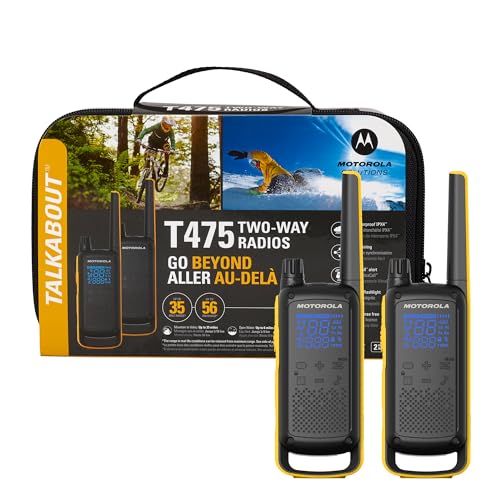
- NOAA Weather Radio All Hazards (NWR) – The gold standard for official alerts. Use a portable weather radio with SAME technology; best for car camping and remote sites with limited cell signal. Two‑way radios & emergency beacons can also receive weather bands.
- Smartphone Apps with Offline Capability – Apps like WeatherBug, MyRadar, and Windy offer push alerts. For backcountry, preload best camping weather apps that cache radar data.
- Satellite Communicators (Garmin inReach, ZOLEO) – Receive NOAA forecasts and severe weather warnings via satellite even without cellular coverage. Invaluable for extended wilderness trips.
- Portable Weather Stations (handheld anemometers) – Not for alerts but help track real‑time conditions. Pair with alert devices for complete awareness.
- Local Ranger Station & Alert Boards – Before hiking, check at visitor centers. Many state/national parks post fire danger and flood watches.
Immediate Safety Actions: When the Alert Hits
Knowing the alert is half the battle — the other half is taking decisive, correct action. Below are prioritized steps for common weather emergencies while camping.
⚡ Lightning Alert (Watch/Warning)
If lightning is forecast within 10 miles, postpone outdoor activities. Get to a fully enclosed vehicle or substantial building. Avoid open fields, isolated trees, and water. In a tent? Tents offer no lightning protection — but if no hard shelter exists, crouch low on a sleeping pad or insulated material. Read detailed lightning safety for campers for advanced wilderness protocols.
🌊 Flash Flood Watch/Warning
Immediately move to higher ground — at least 50 feet above the wash. Do not attempt to cross flowing water on foot or by vehicle. Most flash flood deaths occur in vehicles. Before selecting a site, always evaluate terrain, runoff paths, and upstream rain. Flash flood survival checklist helps you identify risky camp spots.
🔥 Red Flag / Fire Weather Warning
Observe total fire bans: no campfires, no charcoal, no gas stoves in some regions. Keep vehicles off dry grass (hot exhausts start fires). Have an evacuation plan and know nearest roads. Learn wildfire prevention measures and emergency sheltering if smoke inundates the area.
🥶 Winter Storm Warning & Extreme Cold
Before the storm hits, set up wind blocks, insulate your tent with extra tarps, use high R‑value sleeping pads, and have a reliable camping heater for ventilated tents (like propane heaters rated for indoor use). Avoid hypothermia by changing wet clothes immediately. For severe wind chill, consider retreating to a designated warming shelter or vehicle. Full winter camping safety offers in‑depth preparation.
🌡️ Heat Advisory/Warning
Shift activities to early morning or late evening. Create shade with tarps or reflective blankets. Drink electrolyte water, never wait until you’re thirsty. Recognize heat exhaustion: dizziness, nausea, cool clammy skin. If someone shows heat stroke (hot dry skin, confusion), call 911 and cool rapidly. Prevent heat emergencies →
🧭 Pre‑Trip Weather Planning: Your 5‑Step Routine
- Check multiple forecast sources – Use NOAA point forecasts, Mountain Weather Forecast, and local ranger district updates.
- Understand alert thresholds – Know what “high wind” or “probable thunderstorms” mean for your route.
- Pack appropriate gear – Rainproof shells, guy lines for high wind, emergency bivy, and spare batteries for radios.
- Share trip plan & weather window – Let someone know your expected return and weather contingency.
- Learn how to interpret radar & sky signs – Rapidly lowering clouds, abrupt temperature drop, or increasing wind indicates severe change.
For group trips or remote zones, bring a satellite messenger and pre‑load weather apps offline. Combine these with a printed emergency preparedness checklist.
Gear That Keeps You Alert & Safe
While a weather alert is free information, the right equipment ensures you receive and act on it. Below are essential weather‑awareness items every camper should consider for their kit.
- NOAA Weather Radio (hand crank or battery powered) – Models like Midland ER310 also charge phones and have flashlights. Multi‑function camping lanterns with weather band are excellent for car camping.
- Portable Power Bank / Solar Charger – Keep phones and alert devices juiced. View best portable power banks for extended trips.
- Weather‑resistant shelter upgrades – Strong tent stakes, additional guylines, and a durable camping tarp to create windbreak or rain fly.
- Satellite communicator with weather subscription – Garmin inReach Mini 2 provides text‑based weather forecasts, including alerts for your exact location. Compare satellite messengers.
- Insulated sleeping pad and extreme‑rated sleep system – During cold alerts, warmth is survival. Explore winter sleeping bags rated for sub‑zero temps.
✅ Final verdict: Never ignore a weather warning. When you’re in the backcountry, conditions can escalate faster than you can pack. Use the tools, practice “worst‑case” planning, and always prioritize safety over summit or itinerary. A delayed trip is better than a dangerous one.
For more comprehensive outdoor risk management, visit our complete Camping Safety Hub covering wildlife, first aid, and fire regulations. Also check emergency communication methods for any crisis scenario.