Best Solar Chargers for Camping: Stay Powered Off-Grid
Master the art of sustainable energy on your outdoor adventures. From phone charging to powering coolers, find the perfect solar charger for your needs.
Shop Top Picks ↓Why Solar Chargers Are a Game-Changer for Campers
Modern camping no longer means sacrificing connectivity or comfort. Whether you need to keep your camping lantern bright, charge your phone for emergency communication, or run a portable fridge, a reliable solar charger ensures you remain powered without noisy generators. As camping technology evolves, lightweight and high-efficiency solar panels have become essential gear for everyone from backpackers to RV campers. This comprehensive guide breaks down everything you need to know to choose the ideal solar charger for your style and needs.
Types of Solar Chargers for Outdoor Use
Understanding the different categories will help you match your energy needs. The three main types are:
- Portable Foldable Panels: Lightweight, suitcase-style panels (20W–120W+) that unfold to capture sunlight. Ideal for car camping and base camps.
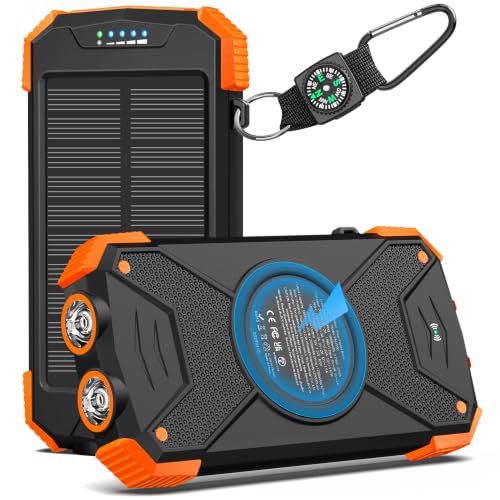
- Solar Power Banks: Compact battery packs with integrated solar cells. Best for emergency phone charging or short trips.
- Solar Generator Kits: Complete systems (panel + power station) delivering 200Wh to 1000Wh+, capable of running camping heaters, CPAP machines, or camping coolers.
For most campers, a foldable solar panel between 60W and 100W paired with a portable power station offers the best balance of portability and output.
Key Specifications to Compare
| Specification | Why It Matters | Recommended Range |
|---|---|---|
| Wattage (W) | Determines charging speed. Higher watts = more devices or faster charging. | 20W–60W for phones/tablets; 100W+ for larger batteries/coolers |
| Conversion Efficiency | Percentage of sunlight converted to energy. Monocrystalline > polycrystalline. | 21%–24% (monocrystalline preferred) |
| Portability | Folded size & weight. Critical for backpacking. | Under 4 lbs for hiking; 10–20 lbs for car camping |
| Weather Resistance | IP rating against dust and water. | IP65 or higher (splash & dust proof) |
| Battery Compatibility | Must work with power stations or built-in battery. | USB-C PD, 12V/24V DC, Anderson connectors |
When comparing models, pay special attention to real-world performance in cloudy conditions and the quality of the charge controller (PWM vs. MPPT). MPPT controllers are more efficient, especially in low-light environments.
Choosing the Right Solar Charger for Your Camping Style
Your typical camping style heavily influences the ideal solar setup. Below are tailored recommendations:
- Solo / Backpacking: Lightweight 20W–30W solar panel or a solar power bank (10,000mAh+). Prioritize low weight and USB-C fast charging. Check solo camping checklist for more essentials.
- Family Car Camping: A 100W–120W foldable panel paired with a 300Wh power station. Enough to recharge phones, tablets, camping lanterns, and a small cooler.
- RV or Trailer Camping: Portable 200W+ solar suitcase or rooftop kit. Use with an external portable power station or directly to RV batteries.
- Winter / Overlanding: Higher wattage (160W–200W) with an MPPT controller to cope with lower sun angles. Learn more about winter camping gear for harsh conditions.
If you often camp in forested or cloudy regions, over-panel (choose 25–30% more wattage than needed) to compensate for intermittent sunlight. Camping technology has advanced significantly—modern panels perform better in diffuse light than models from just a few years ago.
What Can You Power with a Solar Charger?
Understanding your power consumption is crucial. Here's a rough estimate of daily energy needs:
- Smartphone: 5–15Wh per charge
- Headlamp / small lantern: 5–10Wh
- Tablet: 20–30Wh
- Camping fridge (45L): 150–300Wh/day
- CPAP machine (without humidity): 80–150Wh/night
- Camping heater (electric): not recommended for solar; use propane instead.
A 100W panel can generate about 300–500Wh per day under ideal sun. This means you can easily recharge multiple phones, a tablet, and run LED lights. For longer trips, pair your solar charger with a high-capacity camping power bank to store energy for overnight use.
Top Solar Charger Categories & Tiers
Based on performance, durability, and value, these categories represent the best options for campers in 2026. Tiers reflect general quality classifications:
| Category | Best For | Wattage | Tier |
|---|---|---|---|
| Ultra-portable Foldable | Backpacking, bikepacking | 20–40W | Entry-level |
| Mid-size Foldable (Monocrystalline) | Car camping, weekend trips | 60–100W | Mid-range |
| High-Output Suitcase | RV, overlanding, group camping | 120–200W | Premium |
| Solar Power Bank | Emergency, minimalist | 10,000–30,000mAh | Entry-level |
| Complete Solar Generator Kit | Full off-grid setup | 100W+ panel + 300Wh+ station | Premium to Luxury |
For families or avid campers, investing in a 100W monocrystalline panel and a 300Wh lithium power station yields the greatest flexibility. Many modern kits also support simultaneous charging of devices via USB-A, USB-C PD (up to 60W for laptops), and 12V car ports.
Maximizing Solar Efficiency at Camp
Getting the most from your solar charger requires a few simple practices:
- Placement: Avoid shadows (trees, tent, vehicle). Even partial shading drops output significantly.
- Angle adjustment: Tilt panels perpendicular to the sun. Change angle every 2–3 hours if stationary.
- Clean regularly: Dust, pollen, and bird droppings reduce efficiency by up to 30%.
- Use a power station as buffer: Charge a battery during the day, then use that battery at night. This prevents frequent plugging/unplugging of devices.
- Monitor weather: On cloudy days, lower expectations or bring a backup camping generator if needed.
If you're new to solar, start with a smaller kit for a few short trips to learn your energy habits. Then upgrade to a system that matches your consumption. For comprehensive preparation, refer to our camping checklists to ensure you have all power accessories like cables and adapters.
Frequently Asked Questions (Solar for Camping)
Can a solar charger work in cloudy or rainy weather?
Yes, but output drops significantly (by 50–90%). Overcast days still produce some power, especially with monocrystalline panels. For consistent reliability, oversize your panel by 30% or have a backup power bank.
How long does it take to charge a power station?
A 100W panel under full sun can charge a 300Wh power station from 0% to 80% in approximately 3–4 hours. Direct sun exposure matters.
Are solar chargers safe for sensitive electronics?
Absolutely, as long as you use a built-in regulator or connect via a charge controller/power station. Direct connection without regulation may cause voltage spikes.
Do I need a special battery for solar charging?
Lithium iron phosphate (LiFePO4) or standard lithium power stations are best. Avoid using basic car batteries without a proper solar charge controller.
For more answers on outdoor gear, browse our camping FAQ section where we cover everything from tent sizing to bear safety.
Ready to Go Solar on Your Next Adventure?
Choosing the right solar charger means more freedom, less dependency on campground hookups, and a lighter environmental footprint. After reading this guide, you’re equipped to pick the perfect setup. Below you’ll find our hand-picked recommendations from trusted brands — each selected for quality, efficiency, and value. Click any product to see the latest details on Amazon.
✅ Remember: All purchases via our links support CampLifeEssentials at no extra cost, and help us keep producing in-depth guides.