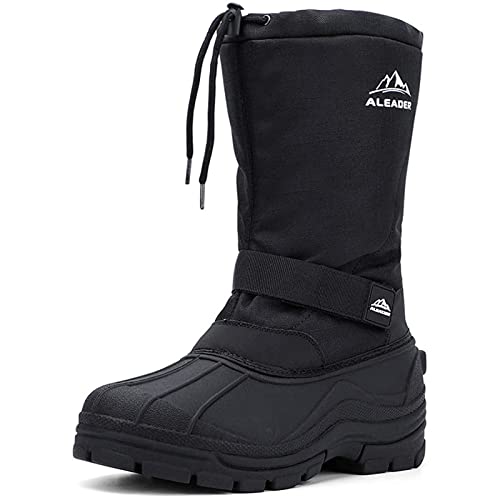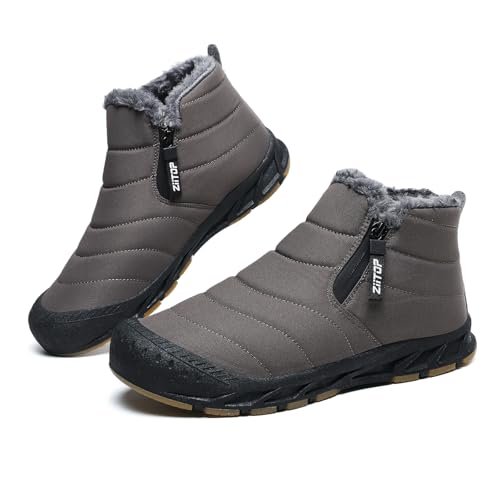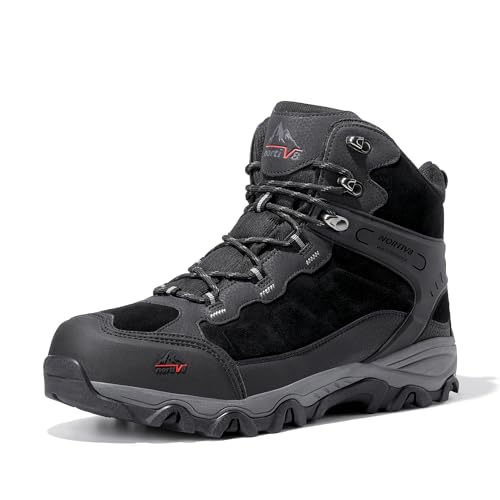
Best Winter Boots for Camping: Keep Your Feet Warm & Dry
Expert guide to choosing insulated, waterproof, and high-traction winter boots for snow camping, ice trekking, and freezing temperatures.
❄️ Why winter boots matter more than any other gear: When camping in sub-zero conditions, cold feet aren't just uncomfortable — they're dangerous. Frostbite, hypothermia, and loss of mobility can ruin your trip. The right winter camping gear starts from the ground up. Quality winter boots for camping provide thermal insulation, 100% waterproofing, aggressive traction, and a fit that accommodates thick wool socks without restricting circulation.
In this comprehensive guide, we analyze insulation technologies (Thinsulate, Aerogel, wool felt liners), outsole compounds for ice, and fit strategies. By the end, you'll confidently choose the best winter boots for your camping style — from basecamp lounging to backcountry snowshoeing.
What Makes a Great Winter Camping Boot?
❄️ Insulation Rating
Look for 400g to 800+ grams of insulation. 200g is for active hiking; 600g+ ideal for stationary camp activities. Removable felt liners offer faster drying.
💧 Waterproofing
Rubber shells or waterproof breathable membranes (Gore-Tex, eVent). Avoid fabric-only boots — snow melt soaks through quickly. Seam-sealed construction is mandatory.
⛓️ Traction & Outsole
Deep lugs and rubber compounds that stay flexible in extreme cold (Vibram® Arctic Grip or IceTrek). Compatible with microspikes/crampons for icy trails.
📏 Fit & Volume
Leave 1–1.5 thumb widths of space for thick merino wool socks and toe wiggle room. Too tight restricts blood flow → colder feet.
Winter Boots vs. Hiking Boots: Critical Differences
Many campers mistakenly bring regular waterproof hiking boots on winter trips. Standard hiking boots lack sufficient insulation and have rubber compounds that harden below freezing, turning into slippery bricks. True winter boots for camping feature removable liners (felt or fleece), taller shafts to prevent snow ingress, and thermal ratings explicitly tested for static use (like sitting around camp). For extreme conditions, pair your boots with winter sleeping bags and a proper 4-season tent to maximize warmth.
Layering also matters: use a vapor barrier liner inside your boot if temperatures plummet below -20°F to keep insulation dry from sweat. And don't forget layering clothing winter system — warm core means better circulation to extremities.
Top 6 Winter Boots for Camping (2026 Edition)
| Model | Insulation | Waterproof | Temp Rating | Weight (pair) | Price (USD) |
|---|---|---|---|---|---|
| Baffin Impact | 8-layer composite (rated -148°F) | Arctic rubber shell | -148°F / -100°C | 5.2 lbs | $280–$320 |
| Muck Boot Arctic Sport | 8mm neoprene + fleece lining | Stretch-fit rubber | -40°F | 4.1 lbs | $150–$180 |
| Sorel Caribou | Removable 9mm felt liner | Waterproof leather / rubber | -25°F | 3.8 lbs | $170–$210 |
| Kamik Canuck Cold | 8mm thermal guard + moisture-wicking lining | Seam-sealed synthetic rubber | -40°F | 3.2 lbs | $110–$140 |
| Columbia Bugaboot III | 200g Omni-Heat + thermal reflective | Waterproof leather / textile | -25°F | 2.9 lbs | $120–$150 |
| Kenetrek Mountain Extreme | 400g Thinsulate Ultra | Gore-Tex lined | -20°F (active) | 4.3 lbs | $380–$450 |
💡 Note: Prices reflect typical market range as of 2026. Baffin Impact leads for extreme arctic camping; Muck Arctic Sport excels for wet snow; Sorel Caribou remains a classic for basecamp use.
How to Choose Winter Boots for Your Camping Trip
📝 Step-by-Step Selection Process
- 1. Assess your winter camping style: Car camping? Backcountry snowshoeing? Ice fishing? Stationary campers need heavier insulation (600g+), while active trekkers can use 400g boots. Check our winter camping checklist for comprehensive gear planning.
- 2. Check temperature ratings: Look for EN/ISO ratings or manufacturer “comfort” vs “survival” ratings. Choose boots rated 10–20°F lower than your expected low.
- 3. Prioritize waterproof-breathable membranes: For snow camping, fully rubber lower shells (like Muck/Baffin) are most reliable. For deep snow excursions, ensure gaiter-compatible D-rings.
- 4. Test traction: Avoid boots with shallow “fashion” lugs. Opt for Vibram® Arctic Grip or similar that grips on black ice.
- 5. Try with your winter socks: Always wear your thickest merino or alpaca wool socks when fitting. Wiggle toes freely but heel stays locked.
Maintenance & Care for Winter Camp Boots
To extend the life of your investment, remove liners after each trip and dry them at room temperature (never near direct fire or heater — melts adhesives). Clean rubber shells with mild soap, and treat leather parts with waterproofing wax. Store boots un-stuffed in a cool, dry place. Always check for cracks in rubber before long expeditions. Combine boot care with winter camping safety protocols: change into dry camp booties at night to preserve your main boots and prevent frozen laces in the morning.
🔥 Expert Camp Tip: Bring two pairs of winter boots for multi-day trips: heavy insulated boots for camp and medium-weight insulated boots for day hikes. Rotating them allows moisture to evaporate, drastically reducing frostbite risk. Also pack camping heaters to warm up boots before putting them on.
FAQs About Winter Boots for Camping
Only if they are rated for static cold (many stylish winter boots are only for commuting). For sitting around camp, you need boots with removable felt liners or thick closed-cell foam insulation. Check our guide on winter camping gear for more insights.
Expect $120–$300 for quality boots. $300+ models (Baffin, Kenetrek) are for extreme arctic or mountaineering. Weekend campers can rely on Kamik or Muck boots in the $140–$180 range.
Absolutely. Avoid cotton; use merino wool or alpaca blend socks (at least 70% wool). Wear a thin liner sock plus medium-heavy outer sock. For severe cold, vapor barrier liners help.
Rubber (neoprene) boots like Muck Arctic Sport are superior in wet snow and slush. Leather boots with Gore-Tex are more breathable for high-output activities. For mixed use, rubber shell + removable liner is ideal.
Ready to Upgrade Your Winter Camping Experience?
The right winter boots make the difference between suffering and truly enjoying frozen landscapes. Below you'll find our recommended products — each hand-picked based on insulation efficiency, waterproof reliability, and real-world camping tests. All links go directly to verified retailers (Amazon, Backcountry, etc.).
⬇️ Browse top-rated winter boots below — click any product to check availability, latest prices, and user reviews.
Your purchase supports our independent testing (at no extra cost to you).