Camping Kettle: The Ultimate Guide to Boiling Water Outdoors
Whether you need morning coffee, dehydrated meals, or hot drinks after a long hike — a reliable camping kettle is the unsung hero of your outdoor kitchen. This guide compares materials, capacity, packability, and boil time so you can choose the perfect kettle for your adventure style.
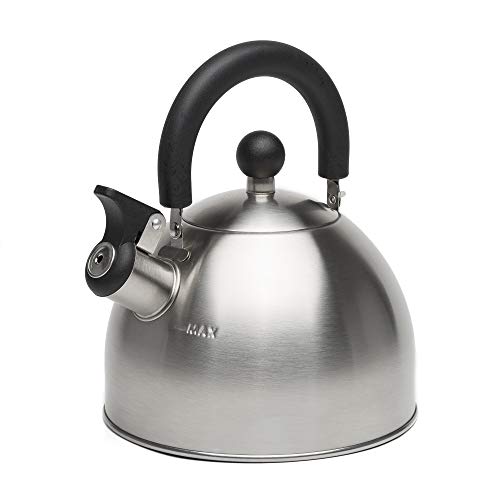
Why invest in a dedicated camping kettle? Unlike a standard pot, a well-designed kettle features a whistle, heat-resistant handle, and optimized spout for pouring. Lightweight models save pack space, while stainless steel options provide rugged durability. From camping stoves to open fires, the right kettle transforms your campsite routine.
Essential Features of a Quality Camping Kettle
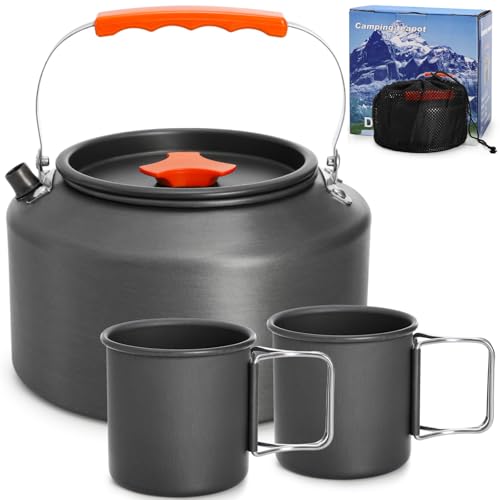
Backpackers need ultralight titanium or aluminum kettles under 7 oz. Car campers can choose larger stainless steel with heat diffusers. Collapsible silicone models save space but take longer to boil.
Aluminum: Light & affordable, but can warp. Stainless steel: Durable, heavy, induction-friendly. Titanium: Ultralight premium choice. Silicone collapsible: Ultra compact, slower boil.
Solo: 0.8–1.0 L | Couples: 1.2–1.5 L | Family/group: 1.8–2.5 L. Match capacity to your group size to save fuel and avoid multiple boils.
Look for a wide base to maximize flame contact. Dark anodized surfaces absorb heat faster. Whistling kettles signal boiling point, saving fuel and preventing dry burns.
Which Material Suits Your Camping Style?
Choosing the right kettle material impacts weight, durability, and boiling performance. For minimalist backpackers who already carry a camping backpack and ultralight stove, titanium kettles offer the best strength-to-weight ratio. They resist corrosion and never affect taste. Stainless steel kettles are nearly indestructible and work on induction cooktops, making them ideal for car camping and RV trips. Aluminum kettles are the classic budget pick, but avoid them if you plan to boil acidic liquids for long periods. Silicone collapsible kettles are innovative space-savers for kayak camping or motorcycle camping where every cubic inch matters.
Another consideration: heat distribution. Multi-layer base construction (like encapsulated stainless steel) reduces hot spots and boiling time when paired with a camping stove or propane burner. If you often cook over a campfire, choose a thick stainless steel kettle with a wire handle that won't melt. Many campers also appreciate an integrated lid that stays on during pouring — a small detail that prevents scalding accidents at the campsite.
Camping Kettle Comparison: Materials & Price Ranges
| Material | Weight (1L model) | Durability | Boil Efficiency | Avg. Price (USD) |
|---|---|---|---|---|
| Titanium | ~4–6 oz | Excellent | Very fast | $60–$120 |
| Hard-Anodized Aluminum | ~7–9 oz | Good | Fast | $25–$50 |
| Stainless Steel | ~12–18 oz | Superb | Moderate | $20–$45 |
| Collapsible Silicone | ~9–11 oz | Fair (tear risk) | Slow (thicker base) | $15–$35 |
| Enameled Steel | ~16–24 oz | Decent (chip prone) | Moderate | $18–$30 |
Backpacking vs. Car Camping: Choose Your Kettle
If you’re planning a multi-day trek and every ounce counts, opt for a titanium or aluminum kettle with a foldable handle. Brands like Snow Peak, Toaks, and MSR offer sub-5 oz options that nest with fuel canisters. For family camping or RV camping, go for a large 2-liter stainless steel whistling kettle. It can handle high-volume water for washing dishes, hot cocoa, and instant oatmeal. Many campers also love kettles with integrated strainers for loose-leaf tea. Some deluxe models come with a heat-resistant silicone sleeve or a pour spout that prevents dripping — small features that elevate your camping kitchen.
Maintenance & Care for Long Life
Hard water mineral buildup (scale) is common when boiling water outdoors. Remove it by boiling a solution of water and white vinegar (1:2 ratio) for 10 minutes, then rinse. Never use metal scouring pads on anodized aluminum or titanium — they scratch and create bacteria hotspots. Store your kettle with the lid off to prevent musty odors. Check the handle rivets regularly if you use the kettle over an open fire. For collapsible silicone kettles, avoid boiling dry and ensure the rim is fully dry before folding to prevent mildew.
⚠️ Kettle Safety: Always place your kettle on a stable, level surface away from tent walls. Use heat-resistant gloves if the handle isn't insulated. Keep the whistle directed away from your face. Follow campfire safety rules when using a kettle over wood flames.
Frequently Asked Questions (Camping Kettle Edition)
Yes, but home kettles often have plastic handles or thin bottoms that can melt/warp. Always choose a kettle rated for direct flame or camping stoves.
It's ideal for compact storage and lightweight trips. However, silicone boils slower than metal and requires careful handling around sharp objects.
Plan for 2–3 liters of drinking water plus extra for cooking and cleaning. A 1.5L kettle suits two people for breakfast and evening coffee.
It's not mandatory, but a whistle prevents forgetful boiling and saves fuel. Great for group camps where you multitask.
Ready to upgrade your outdoor kitchen? Browse the top-rated camping kettles below — tested for efficiency, durability, and value. Click any product to check today’s price on Amazon.