Primitive Camping: Complete No-Facilities Wilderness Guide
Master the art of camping without electricity, running water, or modern comforts. Essential gear, safety protocols, and backcountry ethics for true self-reliance.
What is primitive camping? Also known as backcountry camping, dispersed camping, or wild camping, primitive camping means setting up camp outside designated campgrounds — without amenities like flush toilets, potable water, or fire rings. You carry everything in, and you carry everything out. Whether you're transitioning from car camping or seeking a true wilderness escape, primitive camping tests your skills and rewards you with solitude and pristine nature. For structured preparation, refer to our Primitive Camping Checklist and Backpacking Checklist to ensure you don't miss any essentials.
Why Choose Primitive Camping?
Unlike crowded campgrounds, primitive camping offers unmatched solitude, immersion in nature, and freedom to explore remote areas. Many public lands managed by the Bureau of Land Management (BLM) and US Forest Service allow dispersed camping for free. It's ideal for hikers, minimalists, and adventurers seeking to learn wilderness first aid and advanced outdoor skills. By practicing Leave No Trace principles, you help preserve these wild places for future generations.
Essential Primitive Camping Gear
Ultralight Tent / Tarp
Lightweight shelter is critical when carrying all gear. Look for durable, waterproof designs with easy setup. Tarp and bivy combos work well for minimalists.
Sleeping Bag & Pad
Temperature-rated sleeping bag (20°F or lower for 3-season) and insulated pad. Ground insulation prevents heat loss.
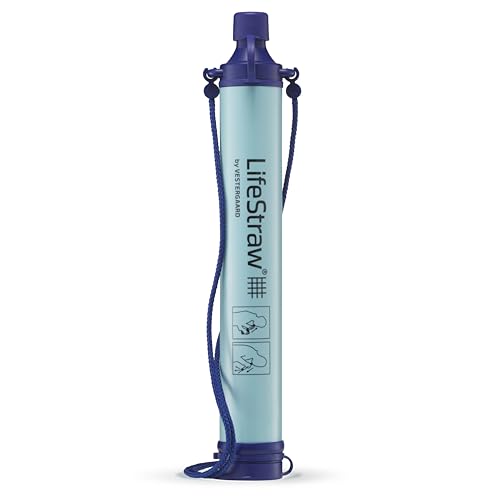
Water Filter/Purifier
No tap water — you’ll need a reliable filter (Sawyer, Katadyn, or pump filter) or chemical treatment. Also carry backup purification tablets.
Compact Stove & Cookware
Lightweight canister stove or alcohol stove paired with small pot and spork. Avoid heavy cast iron for primitive trips.
Map, Compass & GPS
No cell service in backcountry. Use topographic map, compass, and optionally a handheld GPS. Always carry physical backups.
Headlamp & Power Bank
LED headlamp with red-light mode and spare batteries. Small solar charger or power bank for emergency communication devices.
📋 Primitive Camping Checklist: 10 Must-Have Categories
Tent/tarp, sleeping bag, sleeping pad, stakes, groundsheet.
Water bottles/bladder, filter/purifier, collapsible container.
Stove, fuel, pot, utensil, high-calorie meals, bear canister or odor-proof bag.
Moisture-wicking base, insulating mid-layer, waterproof shell, extra socks, hat.
Map, compass, GPS/satellite messenger, whistle, signal mirror, emergency communication device.
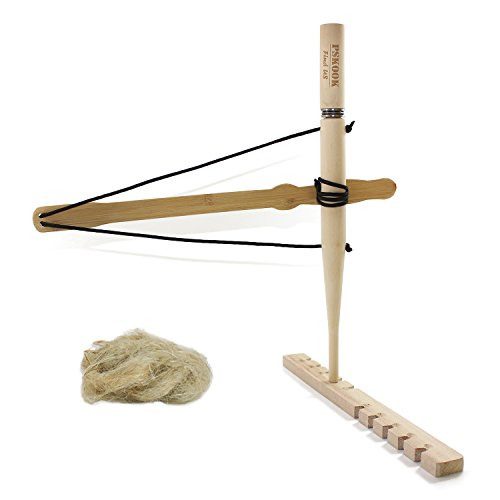
Lighter, waterproof matches, ferro rod, headlamp, backup batteries.
Wilderness first aid kit, blister care, multi-tool, duct tape, gear repair patches.
Trowel, toilet paper (pack out), hand sanitizer, biodegradable soap, trash bags.
Bear-resistant container / Ursack, hanging kit for food and scented items.
Required permits for specific wilderness areas, ID, emergency contact plan.
For complete packing details, view our Ultimate Packing List and full primitive checklist (PDF ready).
Safety & Responsible Practices
Primitive camping requires proactive risk management. Before you go, check weather forecasts and weather alerts. Share your itinerary with a contact. Learn bear safety guidelines if in grizzly country — always store food and toiletries in bear canisters. For extreme conditions, refer to our hypothermia prevention and wildfire prevention guides. Carry a personal locator beacon or satellite communicator for emergencies. Follow Leave No Trace (LNT): pack out all trash, minimize campfire impact (use a stove when possible), and respect wildlife. Proper campfire safety rules apply only where fires are permitted — many primitive zones have seasonal fire bans.
⭐ Pro Primitive Tips
- Test your gear: Do a shakedown overnight near your car before committing to remote trips.
- Water management: Always have a backup purification method (e.g., tablets + filter).
- Campsite selection: Camp at least 200 feet from lakes, streams, and trails. Avoid fragile meadows.
- Plan for no cell signal: Download offline maps, learn basic compass bearings.
- Waste disposal: Dig cat holes 6–8 inches deep for human waste, pack out TP and hygiene products.
Best US Destinations for Primitive Camping
Many national forests and BLM lands allow dispersed camping. Favorites include Colorado’s national forests, Utah’s backcountry, Big Bend National Park’s primitive zones, and BLM land in Arizona or Nevada. Check local regulations for specific fire restrictions and stay limits. For eastern options, explore Adirondacks’ primitive sites or Smoky Mountains backcountry. Always grab a free motor vehicle use map (MVUM) for forest service roads where dispersed camping is allowed.
Primitive vs. Developed Camping: What’s Different?
Unlike car camping where you have picnic tables, restrooms, and fire pits, primitive camping means you rely entirely on self-sufficiency. You’ll need to filter water, pack portable toilets/cat holes, and carry a lightweight camping stove because wood fires may be banned or impractical. It demands more planning — but the reward is serenity and untouched landscapes. If you are transitioning, use our car camping checklist to compare equipment differences, then move to our primitive checklist for lighter alternatives.