Camping Light Guide: Choosing the Perfect Illumination for Your Outdoor Adventure
From lanterns to headlamps and string lights — understand lumens, battery life, and light types to make your campsite functional, safe, and welcoming after dark.
Why the Right Camping Light Matters: Good lighting transforms your camping experience. It provides safety while moving around at night, enables cooking and reading, and creates a cozy atmosphere. Whether you're backpacking deep into the wilderness or setting up a family car-camping base, the right camping light is an essential piece of your camping gear kit.
1. Types of Camping Lights & Their Best Uses
🔦 Lanterns
$25–$120
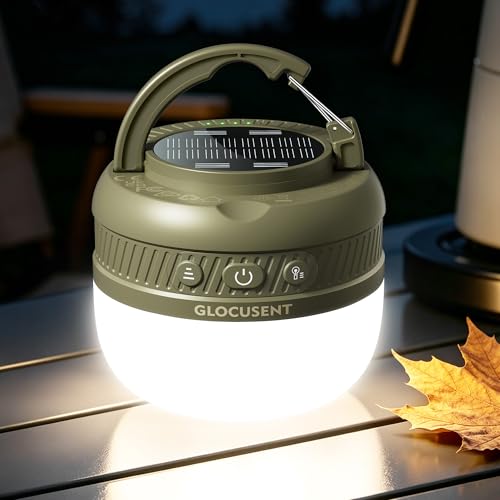
Lanterns provide 360-degree illumination, perfect for cooking areas, dining tables, or inside your tent. Modern LED lanterns are durable, energy-efficient, and often feature dimmable settings. Recommended for base camps, family camping, and car camping.
💡 Headlamps
$20–$80
Headlamps keep your hands free — ideal for setting up a tent at dusk, hiking at night, or rummaging through your backpack. Look for red-light mode to preserve night vision and save battery. Essential for backpacking and solo camping.
✨ String / Fairy Lights
$15–$50
Battery-operated or USB-rechargeable string lights add ambiance to your campsite. They consume minimal power and are great for marking tent guylines at night or creating a relaxing atmosphere. Perfect for family camping and glamping.
🔆 Area / Work Lights
$40–$150
High-output flood lights or work lights are designed to illuminate large areas — excellent for group cooking, evening repairs, or setting up a camp kitchen. Usually powered by rechargeable batteries or portable power stations.
2. Key Specifications: Lumens, Runtime & Light Modes
Choosing a camping light becomes easier when you understand these three critical metrics. Don't just rely on brand names — compare the numbers that truly affect your night-time experience.
| Specification | What It Means | Recommended for Camping |
|---|---|---|
| Lumens (Brightness) | Total visible light output. Higher lumens = brighter light. | Lanterns: 200–700 lumens; Headlamps: 150–400 lumens; String lights: 50–150 lumens. |
| Runtime (Hours) | How long the light lasts on a single charge or fresh batteries. | Minimum 20 hours on low mode; 5+ hours on high mode for reliability during multi-day trips. |
| Light Modes | High, medium, low, strobe, red light, or dimmable. | Red light preserves night vision; low mode extends runtime significantly. |
| Power Source | Disposable batteries (AA/AAA), built-in rechargeable, or USB power bank. | Rechargeable via USB is convenient for car camping; AA batteries are easier to replace on long backpacking trips. |
3. Match Your Light to Your Camping Style
Different adventures demand different lighting solutions. Here’s a quick decision guide based on how you camp:
- Backpacking / Backpacking for Beginners: Lightweight headlamp (under 100g) with long battery life. Consider a tiny keychain backup light.
- Family Car Camping: Combination of a medium-sized lantern (300–500 lumens) plus string lights for the kids’ tent. Bring spare batteries or a camping power bank.
- Winter Camping: Cold temperatures drain batteries faster. Choose lithium batteries or rechargeable lights rated for low temperatures. A winter camping gear lighting setup should include a backup lantern.
- RV or Glamping: Solar-powered string lights and multi-function LED lanterns with remote control. Also consider portable power stations to recharge all devices.
4. Rechargeable vs. Battery-Powered Camping Lights
Both options have strengths. Here’s an honest comparison to help you decide what's best for your next outdoor trip.
🔋 Rechargeable (USB / Built-in)
Pros: Cost-effective long-term, environmentally friendly, can be charged via solar panels or power banks. Many modern lights have USB-C fast charging.
Cons: If you run out of power in the backcountry without a charger, you lose light. Requires planning.
Best for: Car camping, RV camping, and trips where you have access to a vehicle or portable charger.
🔋 Disposable Battery (AA/AAA)
Pros: Easy to replace at any store; can carry spares without needing a power source. Reliable in extreme cold.
Cons: Recurring cost; waste management required (carry out used batteries).
Best for: Extended backpacking trips, emergency kits, winter camping where rechargeables fail faster.
5. Campfire & Navigation Safety: Using Lights Responsibly
While a camping light improves visibility, it also requires smart usage. Avoid shining bright lights directly into other campers’ tents or faces. Around the campfire, dim your headlamp to low mode to preserve the cozy atmosphere and respect quiet hours. For late-night trips to the restroom or water source, a small handheld flashlight or headlamp is essential to avoid tripping hazards. Check out our complete camping safety guide for more night-time precautions.
6. Quick Reference: How Many Lumens Do You Actually Need?
🔋 Smart Strategies to Extend Camping Light Battery Life
- Use low or medium mode whenever possible; high mode drains batteries 3x faster.
- For ambient light at the picnic table, use string lights instead of a high-lumen lantern.
- Carry a small solar charger to top up rechargeable lights during the day.
- Store batteries in a cool, dry place — heat and moisture degrade performance.
- If using a headlamp for night hikes, turn it off when you stop for breaks.
Ready to Light Up Your Next Adventure?
Browse our top recommended camping lights below — each hand-picked for reliability, brightness, and value. Whether you need a budget-friendly headlamp or a premium lantern, these options will ensure you never stumble in the dark.
Shop Recommended Lights ↓Remember: after every camping trip, clean battery contacts with a dry cloth, remove batteries if storing for more than a month, and always pack a backup light source (even a small keychain light can be a lifesaver). For more outdoor illumination techniques, see our detailed camping lantern reviews and camping technology section.