Emergency Preparedness Camping: Stay Safe in the Wild
From sudden weather shifts to wildlife encounters — proactive planning saves lives. Build your emergency kit, master survival skills, and camp with confidence.
Why emergency preparedness is non-negotiable — When you venture outdoors, you accept unpredictable elements. Whether you're a first-time camper or a seasoned backpacker, knowing how to respond to injuries, storms, or getting lost is the difference between a minor scare and a crisis. This guide covers everything from building a camping first aid kit to handling bear encounters, lightning safety, and creating an emergency communication plan. By the end, you’ll be ready to face the wild with resilience.
Build Your Wilderness Emergency Kit
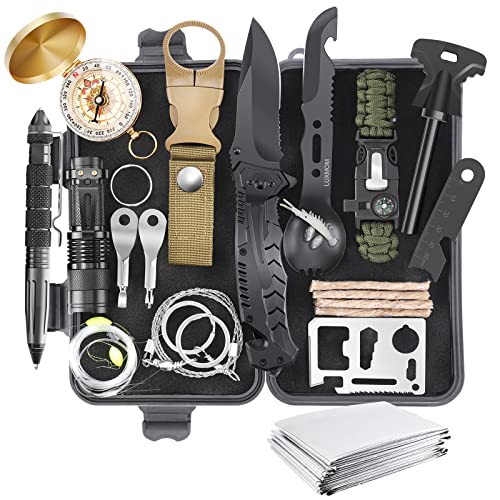
A well-stocked emergency kit is the backbone of emergency preparedness camping. Beyond standard camping gear, include these critical items:
| Essential Item | Purpose | Estimated Cost |
|---|---|---|
| Emergency shelter (bivy / space blanket) | Retain body heat in hypothermia risk | $15–$40 |
| Water filter or purification tablets | Safe drinking water from streams | $25–$80 |
| Multitool + fixed-blade knife | Gear repair, cutting, first aid prep | $30–$100+ |
| Emergency whistle + signal mirror | Attract rescuers | $10–$25 |
| Headlamp with spare batteries | Hands-free light for night emergencies | $20–$60 |
| Fire starter (waterproof matches, ferro rod) | Warmth & signal fire | $12–$30 |
| Personal locator beacon (PLB) / satellite messenger | Two-way SOS without cell signal | $200–$400+ |
Many of these survival tools also overlap with camping essentials lists. Keep your kit in a waterproof bag and always within easy reach.
Bear & Mountain Lion Safety
Encounters are rare but real. Store food properly using bear canisters or bear bags. Learn how to store food from bears to avoid attracting predators. Carry bear spray and know how to deploy it. In mountain lion territory, travel in groups, keep children close, and never run.
- ✅ Make noise while hiking
- ✅ Avoid hiking at dawn/dusk
- ✅ If attacked, fight back with rocks or sticks
Lightning & Flash Flood Readiness
Mountain storms appear quickly. Avoid exposed ridges, tall trees, and open water during lightning. For flash flood safety, never camp in dry washes or canyon bottoms. Monitor camping weather alerts via NOAA radio or weather apps before departure.
- ⛈️ If your hair stands up → crouch low on balls of feet
- 💧 Watch for rising water levels: move to higher ground immediately
Wilderness First Aid: From Minor Cuts to Severe Trauma
Every camper needs a robust camping first aid kit with supplies for blisters, sprains, allergic reactions, and wound care. Beyond the kit, knowledge is power: learn to treat hypothermia, heat exhaustion, and fractures. For deeper wilderness training, consider a wilderness first aid course. Common injuries include cuts from camp chores, burns from stoves, and twisted ankles on uneven trails. Practice the “stop the bleed” technique and know how to improvise splints using trekking poles or branches.
Additionally, don't forget insect and snake precautions: pack mosquito protection for camping and learn snake safety steps (keep boots on at night, avoid tall grass).
📡 Emergency Communication Devices
Cell service is unreliable in the backcountry. A satellite communicator (like Garmin inReach) allows two-way messaging and SOS. For budget options, consider a PLB. Two-way radios for camping can also work within groups over short distances. Always test devices before your trip and pack extra batteries or a camping power bank.
Full coms guide →🧭 What to do if lost
Stop, think, observe, and plan (STOP). Stay put unless you’re certain of the direction to safety. Signal for help using bright clothing, mirrors, or fire. Carry a best handheld GPS as backup to map and compass. Download offline maps on camping navigation apps before leaving civilization.
Lost survival protocol →Cold Weather & Hypothermia Prevention
Even summer nights can drop to freezing levels. Hypothermia and frostbite are real threats when wet and windy. Layer correctly: moisture-wicking base, insulating mid-layer (fleece/down), and waterproof shell. Layering clothing for winter prevents sweating and chilling. For deep winter, carry a winter sleeping bag rated 10-20°F below expected lows. Have a stove to melt snow for drinking water and carry chemical hand warmers. Signs of hypothermia: shivering, confusion, slurred speech — treat by moving to shelter, removing wet clothes, and using body heat.
In snowy conditions, also learn avalanche safety basics, carry a beacon/shovel/probe when backcountry skiing or snow camping. Winter camping safety demands extra fuel, calories, and a proper 4-season tent.
🔥 Campfire & Wildfire Preparedness
Nearly 85% of wildfires are human-caused. Always check fire bans before lighting. Follow campfire safety rules: clear a 10-foot area, never leave fire unattended, and fully extinguish with water (not dirt alone). Have a shovel and water bucket on hand. In case of wildfire near campsite, evacuate immediately downwind or to a cleared area. Learn how to extinguish campfire properly — drown, stir, feel for heat, repeat.
Wildfire prevention tips →Adapt Preparedness by Season & Region
Your emergency plan changes with weather. Spring means melting snow = high creeks: know flash flood safety. Summer brings lightning and heatstroke: carry electrolyte powder, shade structures, and plan hikes for early morning. Autumn presents sudden temperature drops: pack extra insulation. Winter requires avalanche gear, how to stay warm in winter, and 4-season shelters. For specific destination checklists, visit our camping checklists library.
🏕️ Final checklist before every trip: Share your itinerary, pack a dedicated emergency kit, check weather & fire restrictions, ensure communication devices are charged, and refresh first aid skills. Preparedness isn't fear — it's freedom.