
Washington Cascades Camping: Ultimate Guide to Alpine Adventure
From North Cascades National Park to Mount Rainier, discover premier campgrounds, essential gear, wildlife safety, and expert tips for an unforgettable Cascade mountain experience.
Why Camp in the Washington Cascades? Towering volcanic peaks, old-growth forests, crystal-clear alpine lakes, and over 1,500 miles of trails make the Cascade Range a premier camping destination. Whether you're planning a car camping trip with family or a backcountry expedition, this guide provides everything you need—from camping gear recommendations to campground rankings and safety protocols.
🏕️ Best Campgrounds in the Washington Cascades
Colonial Creek Campground
North Cascades National Park. $24/night. 142 sites along Diablo Lake. First-come, first-served & reservable. Vault toilets, drinking water, fire rings. Prime for kayaking and hiking Thunder Knob Trail.
Cougar Rock Campground
Mount Rainier National Park (Paradise area). $30/night. 173 sites surrounded by old-growth forest. Flush toilets, potable water. Ideal base for Skyline Trail and wildflower viewing (July–August).
Lake Wenatchee State Park
Central Cascades. $35–$50/night. 187 standard sites plus 23 full-hookup RV sites. Swimming, boating, and winter camping. Reservations recommended peak season.
Baker Lake Campground
Mount Baker–Snoqualmie National Forest. $22/night. 74 sites along pristine Baker Lake. Great for canoeing and views of Mount Shuksan. Vault toilets, no hookups.
⛺ Essential Gear for Cascade Camping
The Washington Cascades present unique challenges: sudden rain, temperature swings (even in summer), rocky terrain, and wildlife. Having the right camping gear can make or break your trip. Below is a curated checklist based on local conditions.
🏔️ Pro Tip: Even in July, nighttime temperatures above 4,000 feet can drop to 40°F (4°C). Pack a three-season sleeping bag rated to 20°F and a camping mat with R-value ≥ 4.
🔹 Shelter & Sleep Systems
Choose a camping tent with a full rainfly and bathtub floor—Cascade showers are frequent. For backpacking, lightweight camping hammock setups with underquilts work well in forested zones. Camping cots add comfort for car camping, while camping pillows and camping blankets provide extra warmth.
🔹 Cooking & Water Purification
Backcountry areas require bear-resistant food storage. Use a reliable camping stove (canister or liquid fuel) for high-altitude cooking. Camping cookware with non-stick coating simplifies meals. Always carry a water filter or tablets—glacier-fed streams may contain Giardia. A camping cooler keeps perishables fresh at developed campgrounds.
🔹 Lighting, Navigation & Power
Dense forest means early darkness. Pack a camping lantern and headlamps. For navigation, combine GPS vs smartphone apps with a physical map. A camping power bank or solar charger keeps devices charged for emergency communication.
🔹 Wildlife Safety & First Aid
Black bears and mountain lions inhabit the Cascades. Learn how to store food from bears using approved canisters or bear boxes. Carry a camping first aid kit with blister care and a tourniquet. Review bear safety camping protocols and mountain lion safety before arrival.
🗺️ Best Time to Camp & Weather Patterns
The prime camping season runs from late June through early October. July and August offer the most reliable weather—daytime highs 65–80°F (18–27°C) at mid-elevations, with afternoon thundershowers possible. Fall camping checklist items include extra insulation and rain gear, as September brings crisp nights and vibrant larch colors. Winter camping is for experts only; deep snow and avalanche risks demand specialized winter camping gear and avalanche training.
❄️ Avoid July crowds? Consider late September. You'll need a 0°F sleeping bag and winter tents if snow arrives early. Always check camping weather alerts before departure.
📜 Permits, Fees & Leave No Trace
North Cascades National Park and Mount Rainier require backcountry permits for overnight stays outside developed campgrounds. Do I need a reservation? Yes, many front-country sites sell out months in advance (recreation.gov). BLM camping rules do not apply in national parks; follow national park rules strictly. Practice Leave No Trace principles: pack out all trash, use established fire rings only during non-ban periods, and never wash dishes in lakes or streams.
For dispersed camping in national forests (e.g., Mount Baker–Snoqualmie), check local state park rules and fire bans. Campfire regulations vary by district; some areas prohibit fires entirely during dry summers.
⚠️ Cascade-Specific Safety Hazards
Hypothermia Risk
Even summer rain + wind can drop core temperature. Carry waterproof layers, a beanie, and an emergency bivvy. Learn hypothermia prevention signs.
Flash Floods & Stream Crossings
Melting snow and heavy rain cause rapidly rising creeks. Know flash flood safety and never camp in dry streambeds.
Avalanche Terrain (Winter/Spring)
Above treeline, cornices and slopes can slide. If winter camping, carry beacon, probe, shovel and avalanche safety training.
Lightning on Exposed Ridges
Thunderstorms frequent in July–August. Avoid camping above treeline when storms forecast. Lightning safety camping guidelines save lives.
🥾 Top Day Hikes & Backpacking Trips
From family-friendly strolls to epic ridge traverses, the Cascades offer trails for every ability. Maple Pass Loop (7.2 miles, moderate) near Rainy Pass offers 360° alpine views. For a challenge, Cascade Pass to Sahale Arm (6 miles round trip + 2,200 ft gain) delivers glaciers and mountain goat sightings. Backpackers should explore the Copper Ridge Loop in North Cascades (33 miles, 6–8 days) — permit required. Always carry a camping communication device like a satellite messenger, as cell service is nonexistent in most areas.
📌 Bear Canister Required: In North Cascades National Park, all overnight visitors must use IGBC-approved bear canisters (rentals available at Marblemount Ranger Station). Practice food storage rules to protect both you and wildlife.
🐕 Camping with Family & Pets
Many developed campgrounds welcome families. For family-friendly sites, consider family camping at Newhalem Creek Campground (North Cascades) with junior ranger programs. Camping with kids checklist includes glow sticks, easy meals, and child-sized rain gear. Dogs are allowed in most national forest campgrounds but prohibited on most national park trails. Read our camping with dogs checklist and always follow pet-friendly camping etiquette.
📦 Quick Cascade Camping Packing List
Shelter & Sleep
Kitchen & Water
- Wind-resistant stove
- Lightweight pot/pan
- Water filter (Sawyer/Katadyn)
- Bear canister (mandatory in NP)
Clothing (layering)
- Merino base layer
- Fleece mid-layer
- Waterproof shell jacket/pants
- Warm hat & gloves (even summer)
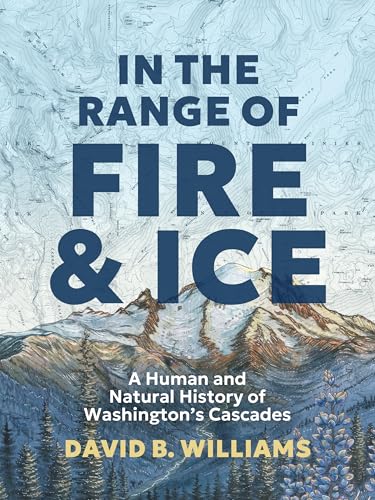
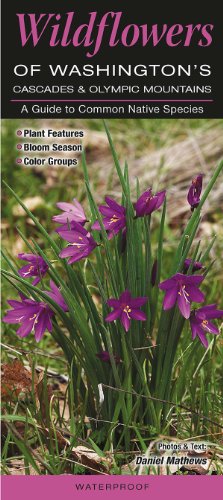
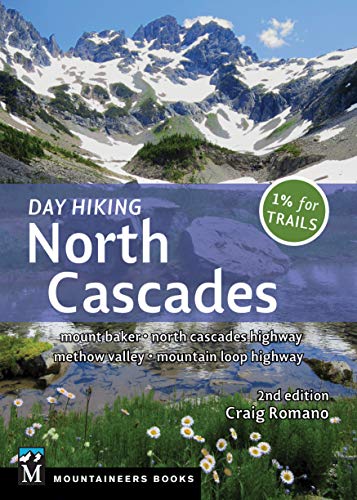
Your Adventure Starts Now: The Washington Cascades reward preparation. Whether you're gazing at the stars from a camping chair at Diablo Lake or summiting a remote peak, having the right camping essentials transforms good trips into legendary ones. Browse our recommended gear below — each item is field-tested for Cascade conditions.


![Washington National Parks [Map Pack Bundle] (National Geographic Trails Illustrated Map)](https://m.media-amazon.com/images/I/41rqo63WUHL._SL500_.jpg)

