Best Camping Power Banks: Keep Your Devices Charged in the Wild
Stay connected, navigate safely, and capture memories without worrying about dead batteries. Discover the ultimate portable power solutions for your outdoor adventures.
🔋 Stay Powered Anywhere: Whether you're on a weekend car camping trip or a multi-day backpacking adventure, a reliable power bank is essential. From charging your smartphone for GPS navigation to keeping your headlamps and cameras alive, the right camping power bank ensures you never run out of juice when you need it most.
What to Look For in a Camping Power Bank
🔋 Capacity (mAh)
Measured in milliampere-hours (mAh). For weekend trips: 10,000–20,000 mAh. For extended off-grid stays: 25,000–50,000 mAh or more. A 20,000 mAh bank can charge a smartphone 4-6 times.
☀️ Solar Charging Capability
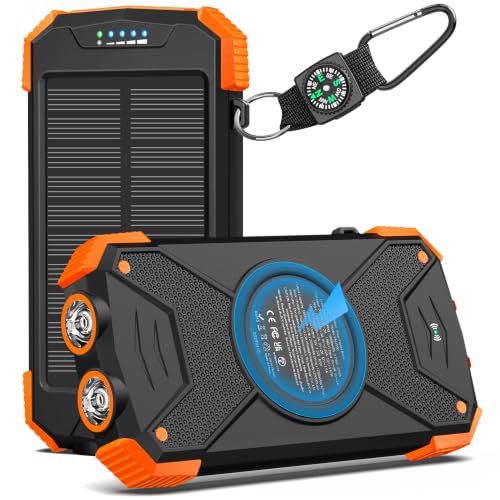
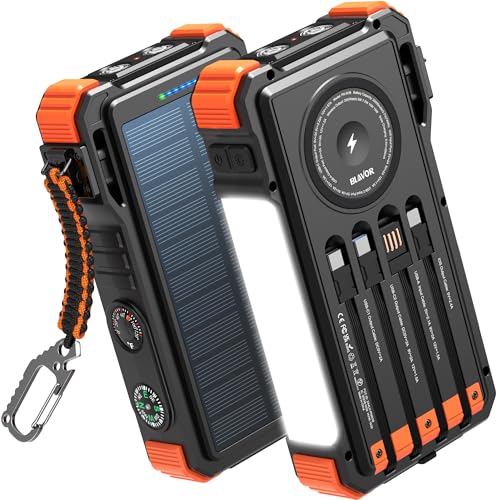
Ideal for multi-day hikes. Solar power banks have integrated panels to trickle-charge during daylight. Best paired with a dedicated solar charger for faster replenishment.
⚡ Output Ports & Speed
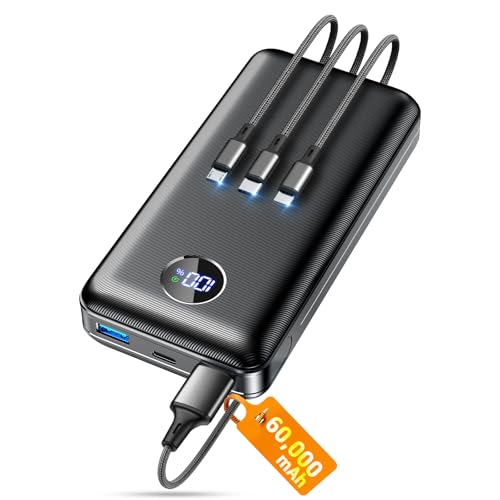
Look for USB-C PD (Power Delivery) and USB-A with Quick Charge. Multiple ports let you charge several devices simultaneously. 18W–65W output charges laptops and tablets faster.
🌧️ Durability & Weather Resistance
Choose rugged, dust-proof, and water-resistant models (IP rating). Rubberized corners and shockproof casing survive drops on rocky terrain.
📦 Weight & Portability
Balance capacity with weight. For backpacking, aim for under 1.5 lbs. For car camping, heavier high-capacity units are fine.
🔦 Extra Features
Built-in LED flashlight, wireless charging, pass-through charging (charge bank and devices simultaneously), and digital display are valuable additions.
Match Your Power Bank to Your Camping Style
Your choice of portable charger depends heavily on your camping style and power needs. Below is a quick comparison to help you decide:
| Camping Style | Recommended Capacity | Best Features | Typical Price Range |
|---|---|---|---|
| Weekend Car Camping | 10,000–20,000 mAh | Dual USB-A, fast charging, compact | $20–$40 |
| Backpacking / Thru-Hiking | 5,000–10,000 mAh (lightweight) | Carbon fiber casing, solar assist, USB-C | $30–$60 |
| RV / Overlanding | 30,000–50,000 mAh | AC outlet, multiple ports, pass-through charging | $80–$150 |
| Off-Grid Extended Stays | 50,000+ mAh + portable power station | Solar panel compatibility, 12V carport | $150–$400+ |
Understanding Power Bank Technologies
Modern camping power banks use lithium-ion or lithium-polymer batteries. Li-Po is lighter and safer for extreme temperatures. For winter camping, choose a power bank with thermal regulation or keep it inside your sleeping bag to preserve efficiency. Additionally, pass-through charging lets you recharge the bank while charging your phone—great when you have limited time at a camp store or solar panel setup.
If you're planning to charge larger electronics like a camping drone or a laptop, look for a power bank with an AC outlet or high-wattage USB-C PD (45W–100W). Some advanced models also feature wireless charging pads, allowing you to simply place your compatible phone on top—no cables needed.
Are Solar Power Banks Worth It for Camping?
Solar power banks have built-in photovoltaic panels that recharge the internal battery under sunlight. They are excellent for primitive camping where no wall outlets exist. However, note that the small panel on a power bank typically delivers only 0.5–2 watts, meaning a full charge might take 25–50 hours of direct sun. For serious solar dependency, pair your power bank with a dedicated foldable solar charger (20W–100W) that connects via USB. This hybrid approach gives you the best of both worlds: high-capacity storage and efficient solar harvesting.
Safety & Maintenance Tips for Camping Power Banks
- Avoid extreme heat: Never leave a power bank in a closed car under direct sun. High temperatures degrade lithium batteries and pose fire risks.
- Keep dry: Even “water-resistant” models shouldn't be submerged. Use a dry bag or ziplock in heavy rain.
- Recharge before storage: Store power banks at 50% charge if not used for months. This prolongs battery lifespan.
- Use certified cables: Cheap cables cause energy loss and overheating. Always carry a spare high-quality USB-C or Lightning cable.
- Inspect for damage: If the casing is cracked or battery swells, discontinue use immediately.
Calculate Your Power Requirements
Before buying a camping power bank, estimate total device consumption. For example:
Smartphone (3,000 mAh) × 3 charges = 9,000 mAh
Headlamp (800 mAh) × 2 charges = 1,600 mAh
Action camera (1,200 mAh) × 4 charges = 4,800 mAh
Total ≈ 15,400 mAh. Add 20% buffer for conversion loss → get a 20,000 mAh power bank. This simple formula prevents underpowering your gear during extended trips.
Pro Tips to Extend Battery Life While Camping
Even with a high-capacity power bank, energy conservation is smart. Activate low-power mode on your phone, reduce screen brightness, and close background apps. For navigation, download offline maps via offline maps apps before leaving civilization. Use airplane mode when you don't need cellular signal. Also, charge devices during the day while you're active, and keep the power bank in a cooler spot (shade or near water) to maintain efficiency.
📖 Explore More Camping Tech Guides: Camping Technology Hub • Portable Power Stations • Camping Generators vs Power Banks • Battery & Solar Panel Kits • Best Camping Gadgets • Smart Camping Gear
✅ Ready to Choose Your Ideal Camping Power Bank?
A reliable portable charger transforms your outdoor experience, keeping your phone ready for emergency calls, GPS tracking, and capturing breathtaking sunsets. Consider your trip duration, device types, and weight limits. The products listed below are hand-picked based on capacity, durability, and user reviews. Click any product to check current prices and user ratings on Amazon — your purchase helps support our free guides at no extra cost to you.