Setting Up a Tent on the Beach: The Complete Guide
Master the techniques to securely anchor your shelter in the sand, withstand coastal winds, and enjoy a perfect night by the ocean.
VIEW STEP-BY-STEP GUIDEKey Takeaway: Beach camping offers a unique experience, but it demands specific setup techniques. Sand is unstable, winds are often relentless, and the sun can be brutal. This guide will show you exactly how to pitch your camping tent on the beach so it stays put, keeps you cool, and protects you from the elements. Before you head out, make sure you have the right camping essentials packed for a coastal environment.
Why Beach Camping Requires a Different Approach
Setting up a tent on a grassy field is straightforward; doing it on a beach is an entirely different challenge. The sandy terrain offers minimal natural anchorage, making your shelter vulnerable to sudden gusts of wind. Additionally, the intense sun, blowing sand, and high tide lines are factors you simply don't encounter in a forest or mountain campsite. A successful beach campout relies on understanding these variables and preparing for them with the right camping gear and knowledge.
Many beginners make the mistake of using standard tent stakes on the beach, only to find their tent collapsing or blowing away in the middle of the night. This not only ruins the trip but can also damage your equipment. By following the steps below, you'll learn how to create a stable, comfortable, and safe shelter on the sand. This knowledge is also useful for other sandy environments, such as certain desert campsites or lakeside dunes found at places like Sleeping Bear Dunes.
Step-by-Step Guide to Pitching a Tent on Sand
Follow this proven method to ensure your tent remains secure from the moment you arrive until you pack up. The key is to replace downward tension with horizontal resistance and weight.
-
Scout the Perfect Spot Above the High-Tide Line
This is the most critical safety step. Observe the wet sand line and any driftwood or debris indicating the last high tide. Set up your tent well above this line to avoid waking up in a puddle. Also, look for a location that offers some natural wind protection, such as behind a dune or a large piece of driftwood, while ensuring you're complying with local leave no trace principles and not disturbing fragile dune ecosystems. -
Lay a Heavy-Duty Footprint or Tarp
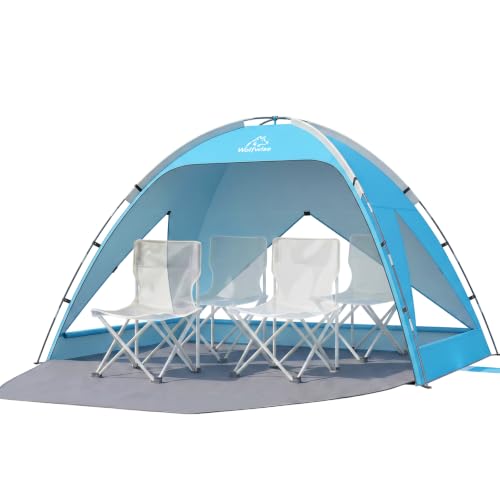
Sand is abrasive and can wear down your tent floor over time. Lay a durable footprint or a heavy-duty tarp before unrolling your tent. This protects your investment and provides a minor moisture barrier. To prevent the tarp from blowing away while you work, place a sandbag or your camping cooler on each corner. If you're using a pop-up beach tent sun shade shelter, a footprint adds an extra layer of comfort. -
Assemble the Tent and Swap Standard Stakes for Sand Tools
Assemble your tent poles and attach the tent body as usual, but do not use the standard thin stakes. Instead, you'll need specialized sand stakes, snow stakes, or deadman anchors (more on this below). For a quick setup, an easy-up style tent can save time in windy conditions. -
Use the "Deadman Anchor" Method for Unmatched Holding Power
A deadman anchor is the most reliable way to secure a tent in loose sand. Dig a hole about 12-18 inches deep, attach your guyline to a buried object (like a sturdy stick, a sand-specific anchor, or a specially designed bag filled with sand), backfill the hole, and tamp it down firmly. The weight of the sand you've displaced creates immense resistance. Attach your tent's guylines to these anchors and tension them carefully. -
Fill Sandbags for Added Stability
In addition to deadman anchors, fill four to six stuff sacks or dedicated sandbags with sand and tie them to the tent's primary pole structure or stake-out points. This is an excellent, low-effort way to add significant weight to the tent frame, making it incredibly resistant to powerful gusts. This technique works particularly well for larger structures like a 4-person cabin tent. -
Angle Your Tent into the Prevailing Wind
Position the lowest, most aerodynamic profile of your tent facing the primary wind direction to deflect wind over the shelter, rather than creating a wall that catches the full force. Close mesh windows on the windward side, but open those on the leeward side to maximize ventilation and minimize condensation. Good airflow is key, as a stuffy tent can quickly become a sauna on a sunny morning.
Choosing the Right Tent and Stakes for the Beach
Not all tents are created equal for beach use. The ideal beach shelter has a strong frame that can handle flexing, a low-profile design to slice through wind, and abundant mesh for airflow. Dome and geodesic tents are generally superior to cabin-style tents, which have tall, flat walls that catch the wind. An easy 2-person tent with a strong pole structure can be a perfect lightweight option for solo beach trips.
Sand & Snow Stakes
Wider and longer than standard stakes, these have more surface area to grip loose sand. Look for stakes that are at least 10-12 inches long and have a perforated or twisted design to increase friction when driven deep.
Screw-In Anchors
Often used for securing dogs or beach umbrellas, these corkscrew-style devices can be twisted deep into the sand and provide an exceptionally strong hold for your tent's guylines.
DIY Deadman Bags
A reusable shopping bag or a stuff sack filled with sand and buried in the anchor hole is one of the most effective and cost-free solutions. The larger the bag, the more holding power you get.
If you're planning a more glamping-oriented trip with a large group, you might consider a robust 6-person instant cabin tent. Just remember that its larger profile will demand extra reinforcement and a very sheltered position. For comfort inside your tent on uneven sand, a padded camping mat or a thick air mattress will make a world of difference.
Managing Sun, Sand, and Comfort
Wind isn't the only element. The sun on an open beach can be relentless, and sand has a way of getting into everything. Pitch a second, lightweight shelter like a beach umbrella or a tarp outside your tent's entrance to create a shaded, sand-free zone for cooking and relaxing. A camping tarp is incredibly versatile for this purpose.
Establish a "no-shoes" policy inside the tent to minimize interior sand. Keep a small basin of water outside the door to rinse feet before entering. A camping stool or camping chair placed under your tarp can provide a comfortable, sand-free place to sit. For cooking, a stable camping kitchen setup or even a simple camping table will keep your camping stove level and prevent it from getting clogged with sand.
Pro Tip: Cold Weather and Nighttime Prep
Even on a hot day, beaches can become surprisingly cold and damp at night. Always pack an appropriate sleeping bag and consider a camping blanket for layering. If you're camping in a cooler season, ensure you know how to stay warm and that your sleeping bag temperature rating matches the expected nighttime lows. A wind-resistant outer layer for your sleeping system is crucial.
Beach Camping Etiquette and Safety
Always check local regulations before setting up camp; many beaches prohibit overnight camping or require you to stay below the high-tide vegetation line. Obtain any necessary permits and understand the campfire regulations, as open flames are strictly banned on most beaches. Use a contained, elevated fire pit if allowed, and always fully extinguish your campfire with water, never sand, as sand can insulate hot coals for hours. Know how to properly extinguish a campfire to prevent serious burns to other beachgoers.
Pack out everything you bring in, adhering to Leave No Trace principles. Coastal ecosystems are fragile, and even biodegradable food scraps can harm local wildlife. For more comprehensive safety information, including how to handle unexpected weather, brush up on camping safety best practices and have a fully stocked camping first aid kit on hand.