Common Camping Injuries: Prevention & First Aid Guide
From minor cuts to serious fractures—learn how to prevent, identify, and treat the most frequent camping injuries so you can stay safe in the wilderness.
Build Your First Aid Kit →Did you know? According to wilderness medicine statistics, over 70% of camping-related injuries are preventable with proper preparation and awareness. From knife cuts during food prep to ankle sprains on uneven terrain, understanding common camping injuries is your first line of defense. This guide covers everything you need to know about prevention, immediate treatment, and when to seek emergency help.
Most Common Camping Injuries & How to Treat Them
🔪 Cuts & Lacerations
Knife accidents while preparing meals or splitting wood are extremely common. Even tent setup can cause finger cuts from poles and stakes.
First Aid:
- Clean wound with clean water or saline
- Apply pressure with sterile gauze to stop bleeding
- Apply antibiotic ointment and cover with bandage
- For deep cuts, seek medical attention
🔥 Burns & Scalds
Camp stoves, campfires, and hot cookware cause thousands of camping burns annually. Grab a hot pot handle or touch a hot lantern without realizing it's hot.
First Aid:
- Cool burn under running cool water for 10-15 minutes
- Do NOT apply ice directly (causes tissue damage)
- Cover with sterile, non-stick dressing
- Do not pop blisters
🦶 Sprains & Strains
Ankle sprains are the #1 hiking injury. Uneven trails, carrying heavy camping backpacks, or stepping in holes can easily twist an ankle.
First Aid (R.I.C.E. Method):
- Rest - Stop activity immediately
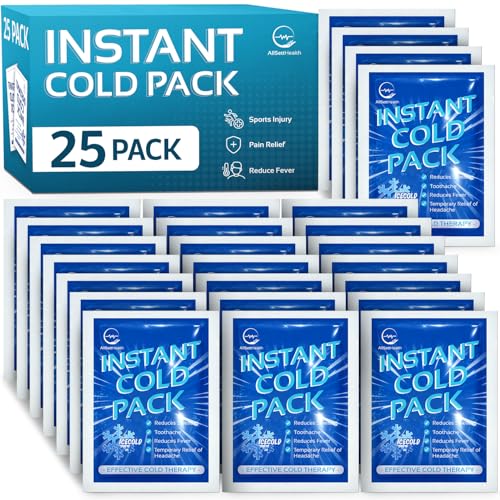
- Ice - Apply cold pack for 15-20 minutes hourly
- Compression - Wrap with elastic bandage
- Elevation - Raise above heart level
🦴 Fractures
Falls on slippery rocks, tree roots, or while car camping after dark can lead to wrist, arm, or leg fractures.
First Aid:
- Immobilize the limb - don't try to straighten
- Create a splint using trekking poles or straight sticks
- Apply cold pack to reduce swelling
- Seek immediate evacuation for severe fractures
☀️ Heat Illness
Especially common during summer camping trips and desert camping. Dehydration and overexertion can quickly escalate.
First Aid:
- Move to shade or cool area immediately
- Remove excess clothing
- Apply cool, wet cloths to neck and armpits
- Hydrate with water or electrolyte drinks
❄️ Hypothermia & Frostbite
Even in mild weather, wet clothes and wind can drop body temperature dangerously. Winter camping requires special attention.
First Aid:
- Get out of wind and wet clothes immediately
- Use sleeping bag or emergency blanket
- Warm core first (chest, neck, groin) - not extremities
- Give warm, non-alcoholic drinks
When to Evacuate: Emergency Decision Guide
| Injury Type | Treat On-Site | Evacuate Immediately |
|---|---|---|
| Cuts | Small, shallow, stops bleeding quickly | Deep wound, uncontrolled bleeding, signs of infection |
| Burns | First-degree (red skin) or small second-degree | Large area, face/hands/genitals, electrical or chemical burns |
| Sprains | Mild swelling, can bear weight | Cannot bear weight, severe deformity, extreme pain |
| Head Injury | Minor bump with no loss of consciousness | Loss of consciousness, vomiting, confusion, unequal pupils |
| Heatstroke | Heat exhaustion (sweating, nausea, headache) | Altered mental state, unconsciousness, hot dry skin |
Essential Camping First Aid Kit Checklist
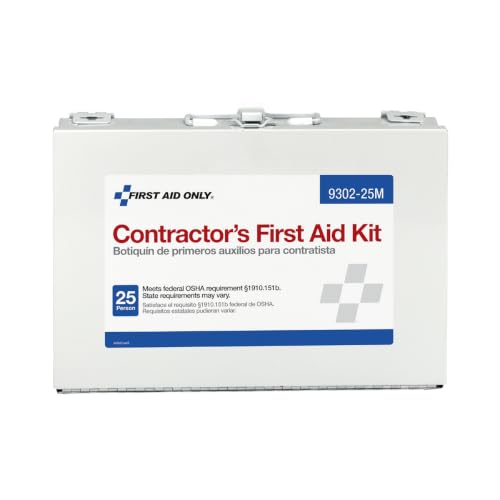
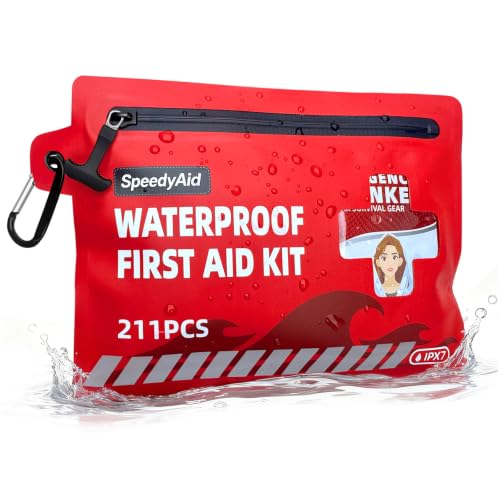
- Assorted adhesive bandages (various sizes)
- Gauze pads (2x2, 4x4) & medical tape
- Elastic wrap bandage (ACE bandage)
- Triangular bandage (for sling or splint)
- Antibiotic ointment & antiseptic wipes
- Pain relievers (ibuprofen, acetaminophen)
- Antihistamine (Benadryl for allergies)
- Hydrocortisone cream (for rashes/insect bites)
- Blister care (moleskin, second skin)
- SAM splint or improvised splint materials
- Tweezers & tick removal tool
- Emergency blanket (space blanket)
- Scissors & safety pins
- CPR face shield & nitrile gloves
- Oral rehydration salts (for dehydration)
- Pain relief for sprains (topical analgesic)
Wilderness First Aid: What's Different?
🏞️ Remote Location Challenges
When you're miles from a trailhead or hours from a hospital, wilderness first aid requires different thinking. Evacuation can take hours or even days. Your first aid kit becomes your pharmacy. Learn to improvise with gear you have.
🩹 Improvisation Skills
No splint? Use trekking poles, tent poles, or even a rolled sleeping pad. No bandage? Clean cloth from a t-shirt works. The key is knowing what to do with limited supplies.
🏕️ Proactive Prevention is Your Best Medicine: Most common camping injuries are avoidable. Set up camp before dark, use proper lighting (camping lanterns and headlamps), keep a clean campsite to avoid trips, and never handle knives or axes when tired. A few minutes of caution prevents days of pain.