Camping Communication Devices: Stay Safe Off-Grid
Two-way radios, satellite messengers, personal locator beacons (PLBs), and smartphone apps — discover the best way to stay connected when cell service fails. Whether you're backpacking deep wilderness or car camping in remote zones, reliable communication is non-negotiable.
View Recommended Gear →Why dedicated communication devices matter: More than 60% of national parks have unreliable cellular coverage. When you're miles from civilization, a dead phone battery or no signal can turn minor incidents into emergencies. Investing in emergency communication tools ensures you can call for help, coordinate with your group, or check weather updates. Pair these devices with a solid camping first aid kit and proper camping safety protocols for complete peace of mind.
1. Two-Way Radios (Walkie Talkies) for Camping
Two-way radios are the go-to solution for group camping, family trips, or caravanning. They don’t require monthly fees, work instantly at the push of a button, and offer ranges from 2 to 35+ miles (line-of-sight). Modern FRS/GMRS models feature NOAA weather alerts, USB charging, and hands-free operation. For extended range and repeater capability, GMRS licenses (only $35 for 10 years, no exam) are a smart upgrade. Compare them with satellite communicators if you often camp in dense forests or mountainous terrain where radio signals struggle.
FRS Two-Way Radio
- No license required
- Up to 2 watts, range 1–2 miles (real-world)
- Ideal for campground or hiking group
GMRS Radio
- License required ($35/10yrs, covers family)
- Up to 5–50 watts, range 5–25 miles
- Repeater-capable, weatherproof designs
CB Radio (Vehicle-Based)
- Good for caravan & truck camping
- 4W AM, range 3–10 miles
- No license, but bulky antenna
2. Satellite Messengers & Personal Locator Beacons (PLB)
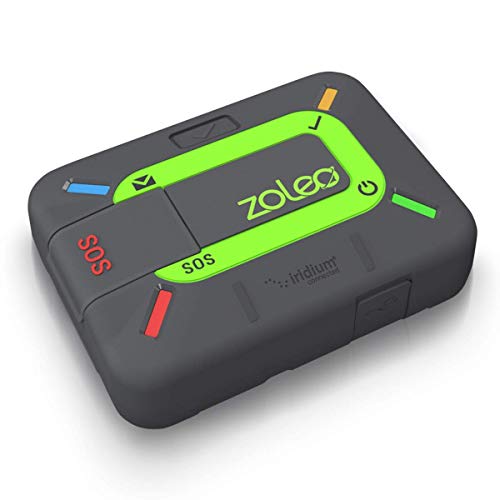
When you venture far beyond cellular range—think backcountry hiking, wild camping, or winter camping in Alaska—satellite messengers are your lifeline. Devices like the Garmin inReach or ZOLEO allow two-way text messaging via Iridium satellite network, plus interactive SOS monitoring. PLBs (e.g., ACR ResQLink) are one-way emergency beacons that broadcast your location to search and rescue without subscription. Many campers pair a satellite device with a camping power bank to keep it juiced for days. Read our detailed emergency beacons guide to decide which suits your risk level.
3. Offline & Mesh Networking Apps (Smartphone-Based)
Modern smartphones can become excellent communication tools when paired with the right apps. What3Words gives precise location codes, while Bridgefy or goTenna (Bluetooth/wireless mesh) send texts over long distances without cell towers. For navigation, download offline maps via camping navigation apps like Gaia GPS or AllTrails+. Remember that phone batteries drain quickly in cold weather — always carry a rugged camping backpack with a built-in power bank pocket and a spare power bank for extended trips. Use these alongside a dedicated GPS vs smartphone comparison to stay oriented.
Quick Comparison: Which Device Suits Your Camping Style?
| Device Type | Best For | Range | Monthly Fee | Emergency SOS |
|---|---|---|---|---|
| FRS/GMRS Radio | Group camping, family trips, car caravan | 1–25 miles | $0 (GMRS license one-time) | No (but can call for help if in range) |
| Satellite Messenger | Backpacking, solo camping, remote zones | Global (Iridium) | $12–$65/mo | Yes (professional monitoring) |
| PLB (Personal Locator Beacon) | Extreme remote, mountaineering, sea kayaking | Global (COSPAS-SARSAT) | $0 (no subscription) | Yes (SAR only, no two-way) |
| Mesh Network App | Festival camping, crowded campgrounds | 200ft – 1 mile (line of sight) | Free / low-cost | No |
| Ham Radio (Technician license) | Enthusiasts, emergency comms | Up to 100+ miles (HF) | $0 (license exam required) | Possible via volunteer nets |
How to Choose the Right Camping Communication Device
Selecting gear depends on your adventure level, group size, and destination. For car camping near populated areas, a pair of reliable GMRS radios often suffices. If you’re planning a solo camping trip in the Rocky Mountain NP or Big Bend Camping, a satellite messenger with weather forecasting is invaluable. Families with kids should consider radios with built-in flashlight and USB charging — check our walkie talkie review for top-rated models. For extreme emergencies, carry a PLB as a backup. Also, review emergency preparedness camping to build a complete safety kit.
🔋 Power Management is critical: Communication devices are useless with dead batteries. Use a portable power station or camping generators for basecamp, and smaller battery solar panels for extended trips. Always store devices in waterproof bags and keep a spare set of rechargeable batteries.
Best Practices for Off-Grid Communication
- Pre-program frequencies: Set GMRS/FRS privacy codes and share channels with your group before departure.
- Establish check-in times: If you split up, agree on specific times (every 2 hours) to check comms.
- Share trip plan: Leave your itinerary and expected return with a contact. Provide them with your satellite messenger’s MapShare link if available.
- Test devices before leaving: Conduct a range test in open area and inside forested terrain.
- Keep devices accessible: Clip radio to shoulder strap, not buried inside backpack.
Review the official Leave No Trace principles and BLM camping rules before heading out — many public lands require communication planning due to limited ranger coverage.
💡 Still uncertain? Read our detailed camping FAQ or compare camping technology guides including portable fridges, drones, and water filters. Every camper deserves a reliable connection to the outside world.