First Aid for Camping: Wilderness Medical Guide
Master essential first aid skills, build the perfect camping first aid kit, and handle outdoor emergencies with confidence. Your complete guide to staying safe in the backcountry.
Why First Aid Matters in the Wild: When you're miles from the nearest hospital, your ability to respond to injuries can mean the difference between a minor inconvenience and a life-threatening emergency. This guide covers everything from building a camping first aid kit to treating specific wilderness injuries.
1. Build the Ultimate Camping First Aid Kit
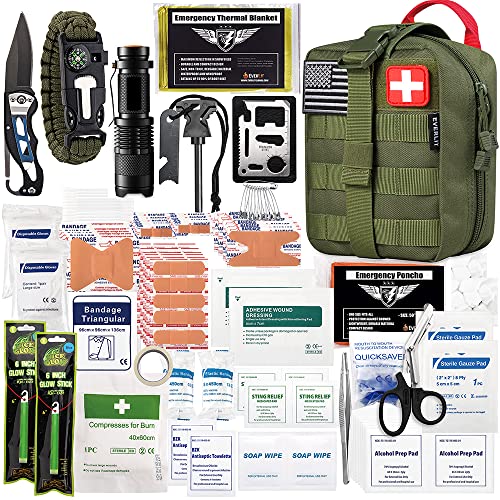
A well-stocked camping first aid kit is your first line of defense. Unlike a standard home kit, wilderness kits need to address specific outdoor injuries like blisters, cuts from gear, sprains on uneven terrain, and exposure-related illnesses. Below is a comprehensive checklist for your camping first aid kit:
Essential Camping First Aid Kit Checklist
- Wound Care: Sterile gauze pads (various sizes), adhesive bandages (assorted), medical tape, antiseptic wipes, antibiotic ointment, butterfly closures, and sterile saline solution.
- Tools & Equipment: Trauma shears, tweezers (splinter removal), tick removal tool, thermometer, emergency blanket (reflects body heat), CPR face shield, and irrigation syringe for wound cleaning.
- Medications: Pain relievers (ibuprofen, acetaminophen), antihistamines (for allergic reactions), anti-diarrheal medication, antacids, and any personal prescription medications.
- Blister & Foot Care: Moleskin or blister bandages, foot powder, and extra socks — because happy feet make happy campers.
- Injury Support: Elastic wrap bandage (ACE bandage), triangular bandage (for slings or tourniquet), and finger splint.
- Emergency Supplies: Emergency whistle, signal mirror, waterproof notepad and pencil, and a first aid reference card.
When selecting a pre-made kit or building your own, consider group size and trip duration. For a family of four on a weekend trip, a kit containing 100+ pieces is ideal. Prices for quality camping first aid kits range from $25–$60 for basic models and $70–$150 for professional wilderness kits with trauma supplies. Look for waterproof bags and organized compartments for quick access during emergencies.
2. Common Camping Injuries and How to Treat Them
From minor scrapes to more serious conditions, knowing how to respond to common camping injuries will keep your trip on track. Let's explore the most frequent wilderness medical issues and their evidence-based treatments.
🩹 Cuts & Scrapes
Clean the wound with clean water or saline. Remove debris with sterile tweezers. Apply antibiotic ointment and cover with sterile gauze. For deep cuts, apply pressure and elevate the injury. Seek evacuation if bleeding won't stop after 10 minutes of direct pressure.
🦵 Sprains & Strains
Follow the RICE protocol: Rest, Ice (cold stream water or cold pack), Compression (elastic bandage), Elevation. Avoid bearing weight on severe ankle sprains. For supportive gear, consider an elastic wrap and a makeshift splint using trekking poles or branches.
🔥 Burns (Campfire or Cooking)
Immediately cool the burn under cool running water for 10-20 minutes. Do not apply ice directly. Cover with a sterile non-stick dressing. Never pop blisters. For serious burns (large area, deep tissue, or on face/hands), evacuate immediately.
🦟 Insect Bites & Stings
Remove stinger by scraping (not pulling). Apply a cold pack to reduce swelling. Use oral antihistamines for allergic reactions. Watch for signs of anaphylaxis (difficulty breathing, swelling of face/throat) — always carry an epinephrine auto-injector if you have known allergies.
🥾 Blisters
Clean the area, then apply moleskin with a "donut" hole cut out around the blister. For large blisters in high-friction areas, sterilize a needle and drain fluid from the edge (leave skin intact). Apply antiseptic and a blister bandage. Prevention: proper camping bag fit and moisture-wicking socks.
🌡️ Heat Exhaustion & Heatstroke
Move to shade, remove excess clothing, apply cool wet cloths, and hydrate with water or electrolyte drinks. For heatstroke (confusion, unconsciousness, hot dry skin), cool aggressively and evacuate immediately as this is life-threatening.
3. Emergency Response: When to Evacuate
Knowing when to stay put versus when to head for help is a critical wilderness first aid skill. The wilderness first aid approach differs from urban first aid because evacuation can take hours or days. Signs that require immediate evacuation include:
If you determine evacuation is needed, stabilize the patient using the emergency SOS signals (three of anything: whistles, fires, flashes). Use a satellite communicator or emergency beacon if available. While waiting for help, continue to monitor vital signs and treat for shock by keeping the person warm and lying down.
4. Environmental Emergencies: Hypothermia & Frostbite
Cold weather camping presents unique risks. Learning hypothermia prevention techniques and treatment is essential for any outdoor enthusiast, even in summer when unexpected cold fronts arrive.
❄️ Hypothermia (Low Body Temperature)
Symptoms: shivering (mild), confusion, slurred speech, loss of coordination (moderate to severe). Treatment: Get out of wind and wet clothes, add dry insulating layers, provide warm sweet drinks if conscious, use body heat (skin-to-skin) and warm packs in armpits/groin. Avoid direct heat that can cause cardiac arrest. For severe hypothermia with unconsciousness, evacuate immediately and handle gently.
🧊 Frostbite
Frostbitten skin appears white, waxy, and feels numb. Never rub or massage frozen tissue. Rewarm slowly in 100-104°F water (warm to the touch but not hot) for 20-30 minutes until tissue softens. Expect severe pain upon rewarming. Protect rewarmed areas from refreezing — refreezing causes worse tissue damage. Evacuation is essential for deep frostbite.
5. Wildlife Encounters & First Aid
When camping in bear, snake, or mountain lion country, advanced preparation is key. Review bear safety camping protocols, and always store food properly using how to store food from bears techniques. For snake bites: keep the victim calm, remove jewelry, immobilize the limb below heart level, and evacuate immediately. Do not use tourniquets, cut the wound, or try to suck out venom. For mountain lion safety encounters, make yourself appear large, maintain eye contact, and never run.
Pro Tip: Before any camping trip, download offline maps, leave a trip plan with someone at home, and check weather alerts. Taking a certified wilderness first aid course (like those offered by NOLS or Red Cross) is the single best investment you can make in your safety. These courses teach hands-on skills for real backcountry emergencies.
6. First Aid for Specific Camping Scenarios
Different camping styles bring different risks. For car camping checklist trips, you can carry a larger first aid kit. For backpacking checklist adventures, prioritize lightweight multi-use items. Here's a quick reference:
- Family Camping: Include pediatric dosages of medications, kid-friendly bandages, and supplies for common kid injuries (scraped knees, splinters).
- Solo Camping: Carry a satellite messenger (like Garmin inReach) and know is camping alone safe guidelines. Learn self-aid techniques.
- Winter Camping: Emphasize winter camping safety with extra insulation, heat packs, and knowledge of frostbite/hypothermia signs.
- Summer & Desert Camping: Focus on heat illness prevention, hydration, and snake bite protocols. Include electrolyte powders and a wide-brim hat.
7. Campfire Safety & Burn Prevention
Many camping injuries are preventable through smart campfire safety rules. Always keep a bucket of water or a fire extinguisher nearby. Never use flammable liquids to start a fire. Teach children to maintain a 10-foot "safety circle" around the fire. Before leaving or sleeping, fully extinguish the fire using the "drown, stir, feel" method. Following wildfire prevention guidelines protects you and the wilderness.
📋 First Aid Recap for Campers: Preparation is everything. Build a location-appropriate first aid kit, take a wilderness first aid class, share your trip plan, and always carry emergency communication. Most camping injuries are minor, but knowing what to do in a crisis builds confidence that enhances every outdoor adventure.