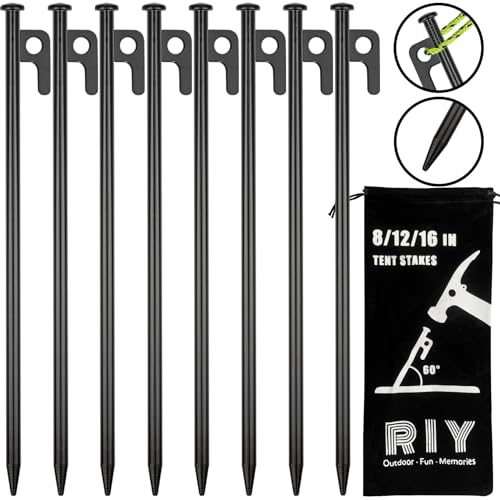
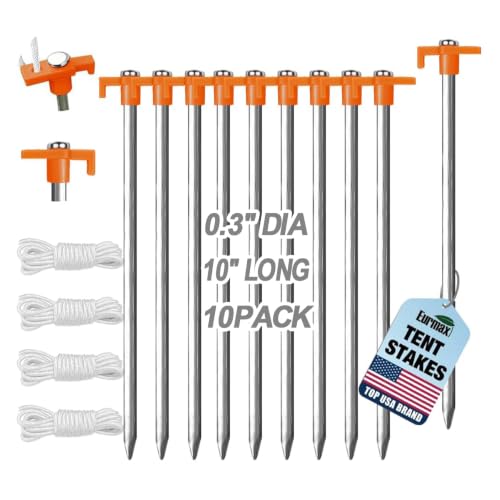
Heavy Duty Tent Pegs: The Ultimate Guide to Secure Camping Stakes
Stop worrying about your tent collapsing in the middle of the night. Learn how to choose unbreakable heavy duty tent pegs that grip rock, sand, and soft soil with absolute reliability.
Why Heavy Duty Tent Pegs Matter: A tent is only as secure as the pegs holding it down. Standard thin wire stakes bend easily and pull out in strong winds. Heavy duty tent pegs are engineered to withstand high winds, rocky terrain, and the unpredictable forces of nature, ensuring your shelter remains intact and your camping experience stays safe and comfortable.
Types of Heavy Duty Tent Pegs
Not all tent pegs are created equal. The terrain you camp on determines which type of heavy duty peg will perform best. Here is a breakdown of the most common styles:
V-Shaped or Y-Shaped Pegs
These are the gold standard for soft soil and grass. The V or Y profile provides a large surface area that grips the ground firmly, resisting pull-out forces. Look for models with a forged or welded construction rather than simple stamped metal, as these are significantly more durable.
Best for: Grass, soft dirt, forest floors.
Spiral or Screw-In Pegs
Designed with a corkscrew shape, these pegs literally screw into the ground. They offer superior holding power in loose or sandy soil and are easy to insert and remove with a drill adapter or a handle. They are excellent for beach camping and desert environments.
Best for: Sand, loose gravel, snow.
Rock or Stone Pegs
These are short, thick, and often made from hardened steel or aluminum. They are designed to be wedged between rocks or used in very hard ground. Some come with a flat head to prevent them from pulling through grommets, while others have a hook design.
Best for: Rocky terrain, hard-packed ground, alpine environments.
Sand or Snow Anchors
These are not traditional pegs but rather large, wide stakes or bags that you fill with sand or snow. They provide a massive anchor point for tents in environments where standard pegs would simply pull out. Often used for beach shelters and winter camping.
Best for: Fine sand, deep snow, loose scree.
What to Look for in Heavy Duty Tent Pegs
When shopping for heavy duty tent pegs, consider these critical factors to ensure you get the best performance for your camping style:
- Material: Forged steel offers the highest strength but is heavier. Hardened aluminum is lighter and corrosion-resistant but can bend in extreme conditions. Titanium is ultra-light and strong but comes at a premium tier. For a balance of weight and durability, look for forged aluminum or high-carbon steel.
- Length and Thickness: Longer pegs provide more holding power in soft ground. A length of 9 to 12 inches is ideal for most conditions. Thicker shafts resist bending better than thin ones.
- Head Design: A large, flat head or a hook prevents the peg from pulling through the tent's grommet. Some pegs feature a reflective cord or a bright color for visibility.
- Coating: A corrosion-resistant coating (like zinc or powder coating) extends the life of your pegs, especially if you camp near saltwater.
- Weight: If you are backpacking, every ounce counts. Consider titanium or aluminum pegs. For car camping, weight is less of an issue, so you can opt for heavier, ultra-durable steel pegs.
Heavy Duty Tent Peg Comparison
Use this table to compare the different tiers of heavy duty tent pegs based on their typical characteristics and best use cases.
| Tier | Material | Best For | Key Features |
|---|---|---|---|
| Entry-Level | Stamped Steel or Basic Aluminum | Occasional car camping, soft ground | Lightweight, affordable, may bend under stress |
| Mid-Range | Forged Aluminum or High-Carbon Steel | Regular camping, mixed terrain | Good strength-to-weight ratio, corrosion-resistant, durable |
| Premium | Titanium or Forged Stainless Steel | Extreme conditions, backpacking, rocky terrain | Ultra-light, virtually unbreakable, superior holding power |
How to Use Heavy Duty Tent Pegs Effectively
Even the best pegs can fail if not installed correctly. Follow these steps to secure your tent like a pro:
- Angle Matters: Drive pegs at a 45-degree angle away from the tent. This creates a stronger anchor that resists wind uplift. For vertical pegs, ensure they are perpendicular to the ground.
- Use a Mallet or Hammer: Never use your foot or a rock to pound in heavy duty pegs. A rubber mallet or a dedicated peg hammer protects the peg head and your hands. For rock pegs, a small sledgehammer may be necessary.
- Clear the Area: Before driving a peg, clear away rocks, roots, and debris. This prevents bending and ensures a straight path.
- Test the Hold: After driving the peg, give it a firm tug. If it moves easily, relocate it or use a different peg type.
- Removal: Use a peg puller or the claw of a hammer to remove pegs. Twist them slightly to break the suction before pulling. This prevents damage to the peg and the tent grommet.
For more tips on setting up your tent in challenging conditions, see our guide on how to set up a tent in the rain and setting up a tent on the beach.
Maintenance and Storage Tips
Proper care extends the life of your heavy duty tent pegs and ensures they perform when you need them most:
- Clean After Every Trip: Wipe off dirt, sand, and moisture with a damp cloth. Allow them to dry completely before storage.
- Inspect for Damage: Check for bends, cracks, or rust. Replace any peg that shows signs of weakness.
- Store in a Peg Bag: Keep pegs in a dedicated bag to prevent them from damaging other gear and to keep them organized. A sturdy canvas or nylon bag works well.
- Apply Lubricant: For screw-in pegs, a light application of lubricant on the threads can make insertion and removal easier.
Remember to follow Leave No Trace principles by packing out all your pegs and leaving the campsite as you found it.
Frequently Asked Questions
Forged steel offers the highest strength and is ideal for rocky or hard ground. Hardened aluminum is lighter and corrosion-resistant, making it great for backpacking. Titanium is the premium choice for those who want ultra-light weight without compromising strength.
Most tents come with a set of pegs, but it's always wise to carry extras. As a rule of thumb, bring at least 4-6 additional pegs for a small tent and 8-12 for a larger family tent. This allows for replacements and extra guylines in windy conditions.
Standard pegs will not penetrate concrete. For camping on concrete or hard surfaces, you need specialized tents that can be set up on concrete or use heavy weights or sandbags as anchor points instead of pegs.
Use a peg puller or the claw of a hammer. Grip the peg firmly and twist it slightly to break the suction. If it's still stuck, pour a small amount of water around the base to soften the ground, then try again. Never pull with a jerking motion, as this can cause injury.
Absolutely. The security and peace of mind they provide far outweigh the minor weight penalty. A tent that collapses in the middle of the night due to flimsy pegs can ruin a trip. Invest in quality heavy duty pegs for a safer, more enjoyable camping experience.
Ready to Secure Your Camp?
Explore our top recommendations for heavy duty tent pegs and find the perfect set for your next adventure.
View Recommended Gear