Backcountry Camping: Complete Guide to Wilderness Adventure
Escape the crowds, embrace solitude, and master the art of remote camping with expert gear recommendations, safety protocols, and Leave No Trace principles.
What is Backcountry Camping? Backcountry camping means hiking or paddling into remote, undeveloped areas to camp away from designated campgrounds. Unlike car camping or RV camping, backcountry sites have no amenities — no running water, restrooms, or fire rings. This immersive wilderness experience requires self-sufficiency, careful planning, and specialized gear. Whether you're exploring national forest backcountry zones or venturing into dispersed camping areas, this guide will prepare you for a safe and memorable adventure.
Essential Backcountry Camping Gear
Selecting the right equipment is critical when you're miles from the trailhead. Every item must balance weight, durability, and functionality. Below is our curated list of backcountry-essential gear categories with real-world price ranges to help you plan your investment.
| Gear Category | Key Features | Price Range (USD) |
|---|---|---|
| Backcountry Tent | Lightweight (2–5 lbs), freestanding or trekking-pole supported, durable rainfly | $250–$650 |
| Sleeping Bag / Quilt | Down or synthetic insulation, 20°F to 30°F comfort rating, compressible | $200–$550 |
| Sleeping Pad | High R-value (3.5+), inflatable or closed-cell, lightweight | $80–$220 |
| Backpacking Backpack | 50L–70L capacity, adjustable suspension, hip belt pockets | $180–$450 |
| Backcountry Stove | Canister or liquid fuel, compact, wind-resistant | $45–$150 |
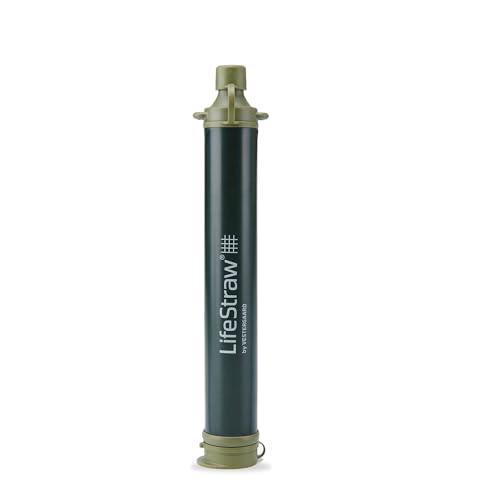
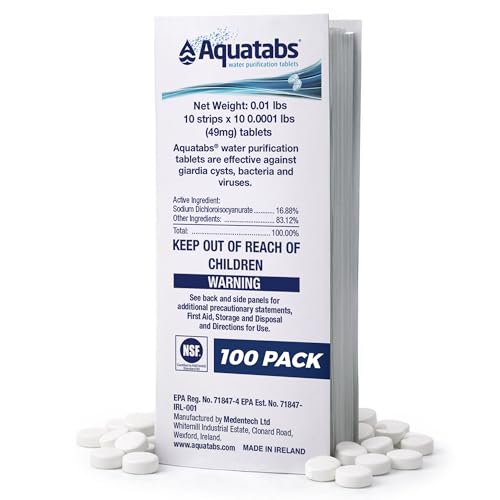
| Water Filter / Purifier | Removes bacteria & protozoa, lightweight, fast flow rate | $35–$120 |
| Headlamp / Lighting | Red light mode, waterproof, rechargeable or AAA batteries | $30–$90 |
| Backcountry First Aid Kit | Compact, includes blister treatment,止血, SAM splint | $25–$70 |
When choosing a backcountry tent, prioritize weight and weather resistance. Many experienced backpackers also pair a lightweight camping hammock with an underquilt for warmer climates. For cooking, compact camping stoves like isobutane canisters are popular for weekend trips, while liquid fuel stoves excel in cold conditions.
Leave No Trace: 7 Principles for Backcountry Travel
Plan & Prepare
- Know regulations and weather
- Repackage food to minimize waste
- Carry a map and compass
Travel & Camp on Durable Surfaces
- Use established trails and campsites
- In pristine areas, disperse use
- Avoid trampling vegetation
Dispose of Waste Properly
- Pack out all trash and food scraps
- Dig catholes 6–8 inches deep for human waste
- Pack out toilet paper and hygiene products
Leave What You Find
- Do not pick plants or disturb cultural artifacts
- Avoid building structures or digging trenches
Minimize Campfire Impacts
- Use a lightweight camp stove instead of fires
- Where fires are permitted, use existing fire rings
- Keep fires small and burn all wood to ash
Respect Wildlife & Be Considerate
- Observe animals from a distance
- Store food and scented items in bear canisters
- Keep noise levels low for other visitors
Following Leave No Trace principles preserves wilderness quality for future visitors. Many backcountry zones also require bear-resistant food containers — check local regulations before heading out.
Safety & Navigation in Remote Areas
Cell service is nonexistent in most backcountry terrain. Preparation and self-reliance are your primary safety tools. Always file a trip plan with a trusted contact, including your itinerary and expected return. Carry redundant navigation tools: topographic map, compass, and a GPS device or smartphone with offline maps. For extended trips, consider a satellite communicator or emergency beacon (PLB) to summon help when out of cell range.
Before your first backcountry trip, practice essential skills: setting up your tent in the dark, filtering water from a stream, and using a compass. Many outdoor retailers offer free navigation workshops. Also, familiarize yourself with hypothermia prevention and common camping injuries — knowing how to treat blisters, sprains, and dehydration can save a trip.
Check weather forecasts before departure and understand lightning safety and flash flood risks in canyon or mountain environments. In bear country, follow bear safety camping protocols: hang food bags or use approved bear canisters at least 100 meters from your sleeping area.
Food, Water & Meal Planning
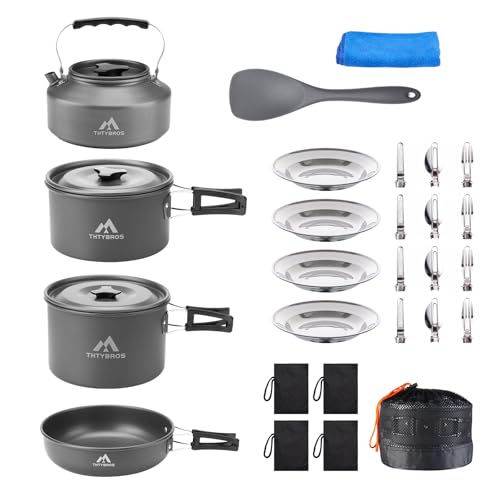
Backcountry cooking relies on lightweight, calorie-dense meals with minimal preparation. Freeze-dried backpacking meals, instant oats, nuts, dried fruit, and tortillas with nut butter are favorites. Always pack a reliable water filter or purifier; never drink untreated water from streams or lakes due to risk of Giardia or Cryptosporidium. Estimate at least 1–2 liters of water per person per day, plus extra for cooking and cleaning. For coffee lovers, a small camping kettle paired with a lightweight stove works well.
Many backcountry campers also carry a lightweight cooler for short trips, but for multi-day hikes, focus on non-perishable foods. Learn the basics of camping meals that require only boiling water — they reduce cleanup and fuel consumption.
Permits, Regulations & Best Destinations
Most backcountry areas in national parks, national forests, and wilderness areas require a free or low-cost permit for overnight camping. Permits often limit group size (usually 6–12 people) and control campsite usage to protect the environment. Popular destinations such as Yosemite backcountry, Yellowstone backcountry zones, and Rocky Mountain National Park's backcountry sites can fill months in advance. Always check specific rules: some areas require hard-sided bear canisters, prohibit campfires, or have seasonal closures due to wildlife or fire danger.
For those seeking solitude without national park crowds, consider BLM camping or national forest backcountry areas, which often have less restrictive permitting. The camping destinations section provides detailed guides for places like Colorado's Collegiate Peaks, Montana's Bob Marshall Wilderness, and Arizona's Superstition Wilderness.
Backcountry Trip Planning Checklists
Proper preparation prevents emergencies. We recommend using these specialized checklists based on trip duration and group composition:
- Backpacking Checklist – comprehensive multi-day gear
- Primitive Camping Checklist – for no-facilities trips
- Solo Camping Checklist – focus on lightweight + safety
- Group Camping Checklist – dividing shared gear
- Summer Backcountry Checklist – heat & bug protection
- Winter Backcountry Checklist – cold weather specialized gear
Print and customize your printable camping checklist (PDF) before each trip. For first-timers, start with a short overnight trip close to the trailhead to test gear and skills.
How Backcountry Camping Differs from Other Styles
Understanding the nuances between camping styles helps you choose the right experience. Backcountry camping requires the most self-reliance and lightweight gear, whereas car camping allows heavier, more comfortable equipment. Glamping offers luxury amenities, and RV camping provides mobile home convenience. If you enjoy solitude and physical challenge, backcountry is ideal. For families with young children, start with family camping at developed sites before progressing to remote areas.
Frequently Asked Questions (Backcountry)
It's best to gain experience with car camping first. Then progress to short backcountry trips (1–2 miles from trailhead) with an experienced partner. Always carry navigation and communication devices.
Many national parks (Yosemite, Sequoia, Glacier) require approved bear canisters. Check local regulations; in areas without bears, a food storage bag or hang may suffice.
Navigation, headlamp, sun protection, first aid kit, knife, fire starter, emergency shelter, extra food, extra water, and insulating layers.
Use apps like Gaia GPS, AllTrails, or USFS maps. Look for flat, durable areas away from water sources (minimum 200 feet from lakes/streams). Avoid areas with evidence of previous erosion or vegetation damage.
⬇️ Explore the recommended gear below — each product is carefully selected for backcountry performance. These affiliate links help us continue providing free, expert content at no extra cost to you. ⬇️