Tents for Sale for Camping: Your Complete Buying Guide
Everything you need to know before choosing your next camping tent — from dome and cabin styles to pop-up and backpacking models. Make a confident, informed purchase.
Why This Guide Matters: A tent is the single most important piece of camping gear you will ever buy. It shelters you from rain, wind, and insects while serving as your home away from home. With hundreds of models on the market, choosing the right one can feel overwhelming. This guide breaks down tent types, materials, sizing, season ratings, and setup styles so you can find the perfect tent for your adventure.
Why the Right Tent Makes or Breaks Your Trip
Camping is meant to be a refreshing escape into nature. However, a poorly chosen tent can turn a dream trip into a sleepless, damp, and frustrating experience. The right tent keeps you dry during unexpected rain, protects you from biting insects, and provides a comfortable space to rest after a long day of hiking or exploring.
When shopping for tents for sale for camping, keep in mind that the best tent is not necessarily the most feature-packed one — it is the one that matches your specific camping style, climate, and group size. A solo backpacker needs something entirely different from a family of six setting up at a car campground.
Types of Camping Tents Explained
Understanding the main tent categories is the first step toward making a smart purchase. Each type serves a distinct purpose and excels in different camping scenarios.
Dome Tents
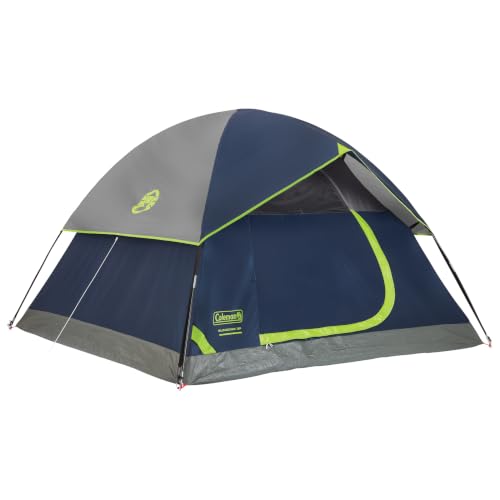
Dome tents use intersecting poles to create a rounded, freestanding structure. They are lightweight, easy to pitch, and shed wind and rain effectively. Ideal for car camping and backpacking alike. Available in 2-person to 8-person configurations.
Cabin Tents
Cabin tents offer near-vertical walls and generous headroom, making them feel like a small room. They are excellent for families who want space to stand, move around, and even place cots or air mattresses. Heavier than dome tents but unmatched in livability.
Pop-Up Tents
Pop-up tents spring into shape in seconds with minimal effort. They are perfect for beginners, festival-goers, and quick weekend trips. While convenient, they offer less weather protection than traditional pole tents and pack into large circular bags.
Backpacking Tents
Designed for portability, backpacking tents prioritize low weight and compact packed size. They typically use lightweight aluminum poles and thin fabrics. Choose a 1-person or 2-person model if you plan to carry your tent on hiking trails.
Winter & Mountaineering Tents
Built to withstand snow loads and high winds, 4-season tents use stronger poles and reinforced fabrics. They are heavier and less ventilated than 3-season tents, making them a specialist choice for cold-weather camping.
Instant & Quick-Set Tents
Instant tents use pre-attached poles that unfold with a simple pull or push. They set up in under a minute and are ideal for campers who value convenience. Many models now include built-in LED lighting and room dividers.
Key Factors to Consider Before Buying
1. Capacity and Size
Tent capacity is rated by the number of people it can sleep, but these ratings assume you are sleeping shoulder-to-shoulder with no gear. For real-world comfort, subtract one person from the rating. A "4-person" tent comfortably sleeps three adults with sleeping bags and a bit of gear.
If you need extra space, consider a 10-person camping tent for large families or a 6-person instant tent for quick group trips. Solo campers should look at tents for 2-person configurations for extra room, or a dedicated one-person backpacking tent for minimal weight.
2. Season Rating
Most recreational tents are rated as 3-season, meaning they handle spring, summer, and fall conditions. They prioritize ventilation and weight savings. If you camp in winter or above treeline, a 4-season tent is essential. These tents have stronger poles, less mesh, and a lower profile to resist wind and snow.
For cold-weather adventures, explore our winter tents guide and hot tent camping resources to find tents compatible with wood stoves.
3. Materials and Durability
Tent fabrics are typically nylon or polyester. Nylon is lighter and stronger but stretches when wet. Polyester is more UV-resistant and does not stretch, making it a popular choice for family tents. The waterproof coating is measured in millimeters (mm) — a rating of 1,500mm to 3,000mm is adequate for most recreational camping, while 3,000mm and above is suitable for heavy rain.
Poles are usually made from aluminum (lighter, more expensive) or fiberglass (heavier, more affordable). Aluminum poles are preferred for backpacking, while fiberglass is common in budget-friendly family tents.
4. Setup Style and Ease of Use
If you arrive at camp late or camp frequently, setup speed matters. Easy set-up tents and quick set-up tents use color-coded poles and clip attachments to reduce frustration. Instant pop-up tents are the fastest option but may be bulkier to pack.
For those who want the ultimate convenience, consider a pop-up tent with sides or a camping tent with toilet for added privacy on extended trips.
Tent Type Comparison at a Glance
| Tent Type | Best For | Setup Difficulty | Weight | Weather Resistance |
|---|---|---|---|---|
| Dome Tent | All-around camping | Easy | Light to Moderate | Good |
| Cabin Tent | Families, base camps | Moderate | Heavy | Good to Excellent |
| Pop-Up Tent | Beginners, festivals | Very Easy | Moderate | Fair |
| Backpacking Tent | Hikers, solo campers | Moderate | Very Light | Good |
| 4-Season Tent | Winter, alpine | Moderate to Hard | Heavy | Excellent |
Specialized Tents for Specific Needs
Beyond the standard categories, there are tents engineered for very specific camping scenarios. Knowing these options can help you find exactly what you need.
Tents with Stove Compatibility
For cold-weather camping, a canvas tent with stove or a camping tent with stove jack allows you to heat the interior safely. These tents are popular among winter campers, hunters, and those who camp in shoulder seasons. A canvas tent for camping is naturally breathable and durable, making it a worthwhile investment for frequent cold-weather campers.
Vehicle and Roof-Top Tents
If you prefer camping off the ground or want rapid setup at remote trailheads, a SUV roof top tent or vehicle roof top tent is an excellent choice. These tents mount directly to roof racks and unfold in minutes. They keep you away from ground moisture and offer spectacular views. For truck owners, a truck bed topper camper or a tent for back of truck with camper shell provides a secure, elevated sleeping platform.
Privacy and Utility Tents
Sometimes you need a tent for purposes other than sleeping. A pop-up changing tent or portable toilet and tent provides a private space for changing clothes or using a portable toilet. These are especially useful for family camping trips and extended stays at primitive campsites.
Beach and Shade Tents
For day trips to the beach or park, a tent for beach shade or shade pop-up canopy offers relief from the sun without the complexity of a full camping tent. Pair it with a tent cot for camping for a comfortable, off-the-ground lounging experience.
How to Choose the Right Tent Size
Choosing the correct size is one of the most common challenges for tent buyers. Here is a simple guideline:
- Solo campers: A 2-person tent provides comfortable space for one person plus gear. A one-person backpacking tent is ideal if weight is your top priority.
- Couples: A 3-person tent gives two adults room to stretch out and store duffel bags. Look for a two-person backpacking tent if you plan to hike to your campsite.
- Small families: A 4-man pop-up tent with living area or a 6-person tent you can stand up in offers room for kids and gear.
- Large groups: A 10-person camping tent or 12-person tent with screened-in porch works well for scout troops, extended families, or group camping.
For a deeper dive into sizing, read our full guide on how to choose tent size.
Setting Up Your Tent: Tips for Success
Even the best tent can be frustrating if you do not know how to pitch it correctly. Here are essential setup guides for different conditions:
- Set up a tent in the rain — protect your gear and stay dry during unexpected showers.
- Setting up a tent in the snow — anchor stakes properly and prepare a snow platform.
- Setting up a tent on the beach — use sand stakes and account for wind.
- Setting up a tent on a platform — common at designated campsites in national parks.
- Tents that can be set up on concrete — freestanding options for paved sites.
Ready to Find Your Perfect Tent?
Browse our hand-picked selection of top-rated camping tents below. Whether you need a lightweight backpacking shelter or a spacious family cabin tent, we have you covered.
View Recommended Tents ↓Frequently Asked Questions About Camping Tents
What is the best tent for a beginner camper?
Beginners should look for a 3-season dome tent or an instant pop-up tent from a reputable brand. These are forgiving to set up, offer good weather protection, and are available at entry-level to mid-range price points. A 4-person dome tent is a versatile starting point for couples or small families.
How do I know if a tent is waterproof?
Check the hydrostatic head rating (measured in mm) on the tent's specifications. A rating of 1,500mm is suitable for light rain, 2,000–3,000mm handles moderate to heavy rain, and 3,000mm+ is appropriate for prolonged storms. Also look for taped seams and a full-coverage rainfly.
Can I use a 3-season tent in winter?
You can use a 3-season tent in light winter conditions if you add a sturdy footprint, use a closed-cell foam pad, and choose a campsite protected from wind. However, for temperatures below freezing, heavy snow, or exposed terrain, a dedicated 4-season or hot tent is strongly recommended.
How long do camping tents last?
With proper care, a quality camping tent can last 5–10 years or more. Longevity depends on usage frequency, UV exposure, and storage conditions. Always dry your tent thoroughly before storing it and avoid leaving it set up in direct sunlight for extended periods. Learn more in our guide on how long do tents last.
Are expensive tents worth the investment?
Premium tents offer lighter materials, stronger poles, better waterproofing, and superior craftsmanship. If you camp frequently or in challenging conditions, the investment pays off in durability and comfort. Casual campers may find excellent value in mid-range options. Read our full analysis on are expensive tents worth it.
What is the difference between a dome tent and a cabin tent?
Dome tents have curved walls and a lower profile, making them more aerodynamic and lighter. Cabin tents have near-vertical walls and higher ceilings, providing more livable space but weighing more. Choose a dome tent for backpacking and a cabin tent for car camping with family.
Continue Exploring
Expand your camping knowledge with these related guides: