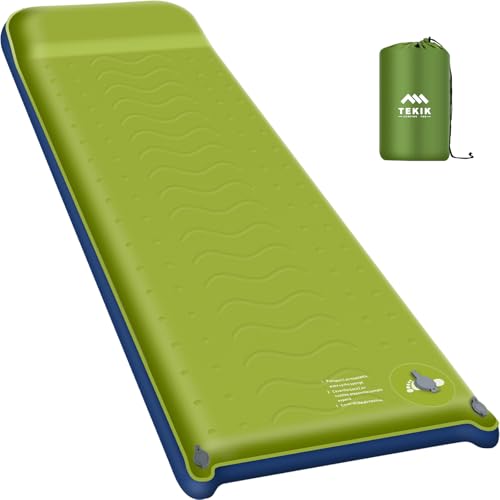
Self Inflating Sleeping Pad: The Complete Comfort Guide
Discover how self-inflating pads work, what to look for in insulation and thickness, and how to choose the perfect one for your camping style.
VIEW TOP PICKSWhy a Self-Inflating Pad? Unlike bulky air mattresses or thin foam mats, a self-inflating sleeping pad combines the best of both worlds: the comfort of air with the insulation and puncture resistance of foam. It's the ideal choice for campers who want reliable comfort without the hassle of manual inflation.
What Exactly Is a Self-Inflating Sleeping Pad?
A self-inflating sleeping pad is a hybrid sleeping surface that uses open-cell foam inside an airtight fabric shell. When you open the valve, the foam expands and draws air into the pad, inflating it automatically. You simply top it off with a few breaths to reach your desired firmness. This design eliminates the need for a pump while providing far better insulation than a standard air mattress.
These pads are particularly popular among campers who prioritize temperature regulation and durability. The foam core not only provides insulation but also adds a layer of puncture resistance, making them more rugged than pure air pads. For those who camp in cooler conditions, a self-inflating pad is often a smarter choice than a ultralight sleeping pad that sacrifices warmth for weight savings.
How Self-Inflating Pads Work
1. Open the Valve
Air rushes in as the compressed foam expands. This process takes a few minutes, and you can help it along by unrolling the pad fully.
2. Foam Expansion
The open-cell foam acts like a sponge, expanding to its original shape and drawing in air. This creates the pad's structure and insulation.
3. Top Off with Breath
Once fully expanded, you add a few breaths to reach your preferred firmness. The valve then seals airtight for the night.
4. Deflate & Roll
When packing up, open the valve and roll the pad tightly, pushing air out. The foam compresses for easy storage.
Key Features to Consider Before Buying
Not all self-inflating pads are created equal. Understanding the following features will help you make an informed decision based on your camping habits.
R-Value (Insulation)
The R-value measures a pad's resistance to heat loss. Higher numbers mean better insulation. For summer camping, an R-value of 2–3 is sufficient. For three-season use, aim for 3–5. For winter camping, you'll want an R-value of 5 or higher. If you plan to camp in cold weather, consider pairing your pad with a winter sleeping bag for maximum warmth.
Thickness & Comfort
Self-inflating pads typically range from 1 to 4 inches thick. Thicker pads offer more comfort and better support for side sleepers, but they are heavier and bulkier to pack. Entry-level models are often thinner, while premium options provide plush, mattress-like comfort. If you're a side sleeper, look for a pad at least 2.5 inches thick.
Weight & Packability
If you're backpacking, weight is critical. Ultralight self-inflating pads can weigh under 1.5 pounds, while car camping models may exceed 5 pounds. The trade-off is usually comfort and durability. For backpacking trips, consider a lightweight sleeping mat that balances weight and comfort. For car camping, you can afford a heavier, more luxurious pad.
Shape & Size
Pads come in rectangular, mummy, and tapered shapes. Rectangular pads offer the most room, while mummy-shaped pads save weight. Make sure the length matches your height—your feet shouldn't hang off the end. For couples, consider a double-wide pad or two singles pushed together.
Self-Inflating vs. Other Sleeping Pad Types
| Feature | Self-Inflating Pad | Air Mattress | Closed-Cell Foam |
|---|---|---|---|
| Comfort | High (adjustable firmness) | Very High (plush) | Low (firm) |
| Insulation (R-Value) | Good to Excellent (2–8+) | Poor to Moderate (1–4) | Good (2–3) |
| Weight | Moderate | Heavy | Lightweight |
| Durability | High (foam resists punctures) | Moderate (prone to leaks) | Very High |
| Packability | Moderate | Bulky | Bulky (but can strap outside) |
| Best For | Three-season camping, comfort seekers | Car camping, guests at home | Backpacking, ultralight trips |
As the table shows, self-inflating pads offer the best balance of comfort, insulation, and durability for most campers. They outperform air mattresses in insulation and durability, and they provide more comfort than closed-cell foam. If you're looking for a dedicated backpacking pad, an inflatable camping sleeping mat might be lighter, but for general camping, self-inflating is often the superior choice.
Who Should Buy a Self-Inflating Sleeping Pad?
These pads are ideal for a wide range of campers:
- Car campers who want a comfortable, reliable bed without the hassle of pumps.
- Three-season campers who need insulation for cool spring and fall nights.
- Side sleepers who need extra thickness for hip and shoulder support.
- Families looking for durable pads that can withstand kids and pets.
- Beginners who want a simple, foolproof sleeping solution.
If you're an ultralight backpacker counting every ounce, a self-inflating pad might be too heavy. But for everyone else, it's a fantastic investment in sleep quality. Pair it with a camping bed for tents or a tent cot if you prefer sleeping off the ground.
How to Care for Your Self-Inflating Pad
With proper care, a quality self-inflating pad can last for many seasons. Here are essential maintenance tips:
Store Unrolled
Store your pad unrolled with the valve open. This prevents the foam from losing its rebound and extends the pad's life.
Clean Gently
Wipe with a damp cloth and mild soap. Avoid harsh chemicals that can damage the fabric or foam.
Avoid Sharp Objects
Always use a groundsheet or tent floor. Check for sharp debris before laying down your pad.
Repair Small Leaks
Most pads come with a repair kit. A small puncture can be fixed easily with a patch and adhesive.
Frequently Asked Questions
Do self-inflating pads actually inflate themselves?
They partially inflate themselves. The foam expands and draws in air, but you'll need to add a few breaths to reach full firmness. It's a hybrid process that saves effort compared to fully manual inflation.
Can I use a self-inflating pad in winter?
Yes, if you choose a model with a high R-value (5+). For extreme cold, consider supplementing with a closed-cell foam pad underneath for extra insulation. Always check the sleeping bag temperature guide to ensure your whole sleep system is adequate.
How long does a self-inflating pad last?
With proper care, a quality pad can last 5–10 years or more. The foam may lose some rebound over time, but most pads remain functional for many seasons. Storing it unrolled and away from extreme temperatures helps prolong its life.
Are self-inflating pads good for side sleepers?
Yes, especially thicker models (2.5–4 inches). Side sleepers need adequate thickness to prevent hip and shoulder pressure. Look for pads with a plush top layer or a design specifically marketed for side sleepers.
What's the difference between a self-inflating pad and an air mattress?
Self-inflating pads contain foam, which provides insulation and puncture resistance. Air mattresses are just air chambers, so they're lighter but less insulated and more prone to leaks. For camping, self-inflating pads are generally more reliable and comfortable.
Ready to Upgrade Your Sleep System?
Explore our top recommendations for self-inflating sleeping pads below. Whether you're a weekend car camper or a seasoned backpacker, there's a pad that fits your needs.
SEE RECOMMENDED PADS