Quick Set Up Tent: Fast Pitch Camping Shelters Guide
Discover how quick set up tents eliminate frustrating pitching times. Learn what makes instant and pop-up tents work, which features matter most, and how to choose the right fast pitch shelter for your camping style.
START EXPLORINGQuick Set Up Tent Philosophy: A tent that pitches in under two minutes means more time enjoying the outdoors and less time wrestling with poles. Whether you are a weekend camper or a seasoned adventurer, the right quick set up tent transforms your arrival experience from chore to convenience.
Why Quick Set Up Tents Have Become Essential Camping Gear
Traditional tent assembly often involves threading multiple poles through sleeves, attaching clips, and wrestling with rainflies. For many campers, this process is the least enjoyable part of the outdoor experience. Quick set up tents solve this problem by using pre-assembled pole structures, hub systems, or pop-up mechanisms that dramatically reduce pitching time.
The appeal extends beyond mere convenience. When you arrive at a campsite after a long drive, having a tent that pitches in a minute or two means you can focus on other priorities: preparing meals, organizing your sleeping area, or simply relaxing. For families with children, quick set up tents reduce stress and allow everyone to enjoy the arrival experience. For backpackers, a rapid pitch can be critical when weather changes suddenly or when daylight fades.
This guide explores every aspect of quick set up tents, from the technology behind instant pitching to the practical features that distinguish a good model from a mediocre one. You will learn how to evaluate build quality, understand trade-offs between speed and durability, and identify the quick set up tent that best matches your camping habits.
How Quick Set Up Tents Work: Instant, Pop-Up, and Fast Pitch Mechanisms
Not all quick set up tents use the same technology. Understanding the different mechanisms helps you choose the right model for your needs. The three primary categories are instant tents, pop-up tents, and fast pitch tents with hub systems.
Instant Tents
Instant tents come with poles pre-attached to the tent body. The frame remains connected during storage, collapsing into a compact bundle. To pitch, you simply unfold the tent, extend the poles, and lock them into place. Most instant tents use telescoping poles that snap into position, and the entire process typically takes under two minutes. These tents are ideal for car campers who want maximum convenience without sacrificing interior space.
Pop-Up Tents
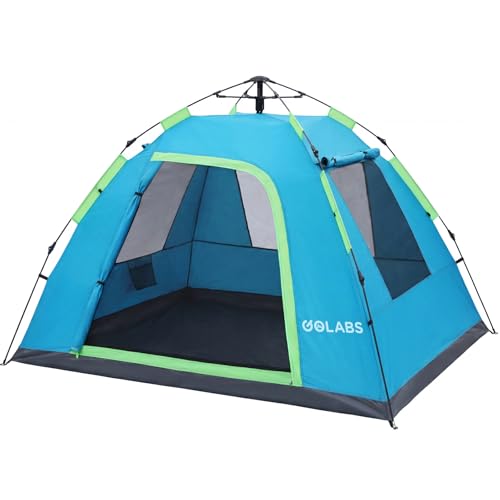
Pop-up tents use a spring-loaded frame that expands automatically when you remove the tent from its carry bag. The frame is usually made of fiberglass or steel and forms the structure of the tent when released. Pitching is nearly instantaneous, but packing these tents back into their original shape requires practice. Pop-up tents are excellent for beach days, festivals, and short trips where speed is the top priority. However, they tend to offer less interior volume and may not perform as well in strong winds compared to instant tents.
Fast Pitch Tents with Hub Systems
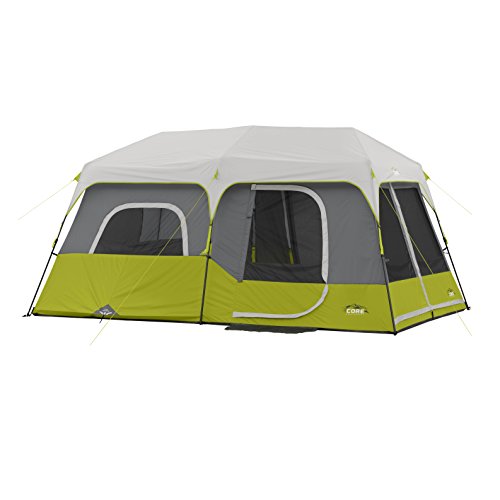
Fast pitch tents often use a central hub where multiple poles converge. The poles are connected at the hub, allowing the tent to be set up quickly by spreading the legs and raising the center. This design is common in cabin-style tents and larger family models. While not as fast as instant or pop-up tents, fast pitch hub tents still cut setup time significantly compared to traditional pole-and-sleeve designs. They often provide better stability and more interior space, making them a favorite among families and group campers.
If you are looking for the absolute easiest options, explore our guides on the easiest 1-person tent to set up and the easiest tent to set up and take down. For larger groups, the easiest 6-person tent to set up offers roomy comfort with minimal effort.
Key Features to Evaluate in a Quick Set Up Tent
When comparing quick set up tents, look beyond the pitching mechanism. The following features have the greatest impact on your overall camping experience.
Pole Material and Construction
Aluminum poles are lightweight, durable, and resistant to corrosion. Fiberglass poles are more affordable but heavier and more prone to splintering over time. Entry-level quick set up tents often use fiberglass, while mid-range and premium models typically feature aluminum. The pole diameter also matters: thicker poles provide greater stability in wind but add weight.
Waterproofing and Weather Resistance
Look for tents with a waterproof rating of at least 1200mm for the rainfly and 800mm for the floor. Fully seam-taped construction prevents water from seeping through stitching. A bathtub-style floor, where the floor material extends up the sides of the tent, adds another layer of protection against ground moisture. For camping in wet conditions, consider a tent with a full-coverage rainfly that extends over the door and vestibule areas. Our guide to camping in the rain offers additional strategies for staying dry.
Ventilation
Condensation is a common problem in any tent, but especially in quick set up models that prioritize speed over airflow. Mesh panels, vents, and adjustable windows help reduce moisture buildup. A tent with a mesh inner and a separate rainfly provides the best ventilation because you can stargaze through the mesh on clear nights and add the rainfly only when needed.
Interior Space and Layout
Quick set up tents come in capacities ranging from one person to twelve or more. The listed capacity often assumes sleeping bags placed side by side with no gear, so consider sizing up if you want room for backpacks or a camp cot. Center height matters for comfort: a tent that allows you to stand upright is a significant upgrade for extended trips. Explore our guides to camping tents you can stand up in and pop-up tent you can stand up in for models that offer generous headroom.
Packed Size and Weight
Quick set up tents are generally bulkier and heavier than traditional backpacking tents because of their pre-attached frames. If you plan to carry your tent any distance, pay close attention to packed dimensions and weight. For car camping, these factors are less critical, and you can prioritize interior space and features.
Advantages and Limitations of Quick Set Up Tents
Like any camping gear, quick set up tents involve trade-offs. Understanding both sides helps you make an informed decision.
Advantages
- Dramatically reduced pitching time, often under two minutes
- Less frustration on arrival, especially after long drives
- Ideal for families, beginners, and casual campers
- Convenient for festivals, beach trips, and short getaways
- Many models include pre-attached rainflies for all-in-one setup
- Simplified takedown process in most cases
Limitations
- Generally heavier and bulkier than traditional tents
- Pop-up models can be difficult to repack into original shape
- May offer less stability in high winds compared to geodesic designs
- Replacement parts for proprietary mechanisms can be hard to find
- Some budget models sacrifice waterproofing for speed
- Less interior space per person in some pop-up designs
Despite these limitations, the convenience of a quick set up tent often outweighs the drawbacks for car campers and weekend adventurers. If you frequently camp in extreme conditions or embark on multi-day backpacking trips, a traditional tent may still be the better choice. However, for the vast majority of recreational camping scenarios, a quick set up tent delivers an unmatched combination of speed and ease.
Quick Set Up Tent Types Compared
The following table summarizes the key differences between instant tents, pop-up tents, and fast pitch hub tents. Use this comparison to identify which type aligns with your camping priorities.
| Feature | Instant Tent | Pop-Up Tent | Fast Pitch Hub Tent |
|---|---|---|---|
| Setup Time | Under 2 minutes | Under 1 minute | 3–5 minutes |
| Packed Size | Moderate to large | Large and flat | Moderate |
| Weight | Moderate | Light to moderate | Moderate to heavy |
| Interior Space | Good | Limited | Excellent |
| Wind Stability | Good | Fair | Good to excellent |
| Best For | Car camping, families | Beach, festivals, short trips | Family camping, base camp |
| Ease of Repacking | Easy | Difficult | Easy |
For those who prioritize standing height and roominess, the easiest tent to set up for family often combines quick pitch convenience with spacious interiors. Solo campers may prefer the 2-person compact portable pop-up tent for its light weight and minimal packed size.
How to Choose the Right Quick Set Up Tent for Your Needs
Selecting a quick set up tent requires balancing your camping style, typical weather conditions, and the number of people who will sleep in the tent. The following considerations will guide your decision.
Camping Style and Frequency
If you camp primarily at developed campgrounds with car access, an instant tent with generous interior space is an excellent choice. These tents prioritize comfort and convenience over packed size. If you camp at festivals or beaches where you need shade and shelter quickly, a pop-up tent excels. For base camp setups where the tent remains pitched for several days, a fast pitch hub tent offers the best combination of stability and livability.
Weather Conditions
Consider the climate where you camp most often. In rainy regions, prioritize a tent with a high waterproof rating, a full-coverage rainfly, and taped seams. In windy areas, look for tents with sturdy pole structures and multiple guy-out points. For cold weather camping, a tent with less mesh and a solid inner fabric helps retain heat. Our guide to winter tents covers specialized options for cold conditions, while keeping a tent warm in cold weather provides practical tips for retaining heat.
Capacity and Interior Layout
Choose a tent that comfortably accommodates your group plus some gear. A tent rated for four people may feel cramped for four adults with sleeping pads and backpacks. If you want space to move around, consider a model with a higher peak height and near-vertical walls. Cabin-style quick set up tents offer the most livable interiors, while dome-style pop-up tents are more compact and aerodynamic.
Durability and Longevity
The lifespan of a quick set up tent depends on the quality of its materials and construction. Look for tents with reinforced stress points, durable zippers, and UV-resistant fabrics. A tent with a higher denier (D) rating on the floor and rainfly will withstand more wear. For insights into how long tents typically last and what factors affect longevity, see our article on how long do tents last.
Ease of Use for Specific Groups
Families with young children benefit from tents with simple, intuitive setup mechanisms and pre-attached rainflies. Solo campers may prefer lightweight instant tents that are easy to handle alone. For those who camp with pets, consider a tent with a durable floor and easy-to-clean interior. If you are new to camping, our first time camping tips provide a solid foundation for your first trips.
Quick Set Up Tent Tiers: Entry-Level, Mid-Range, and Premium
Quick set up tents are available across a spectrum of quality tiers. Understanding what each tier offers helps you set realistic expectations and choose a tent that matches your budget and camping goals.
Entry-Level Quick Set Up Tents
Entry-level models prioritize affordability and basic functionality. They typically use fiberglass poles, have a lower waterproof rating, and may lack features like full-coverage rainflies or taped seams. These tents are suitable for occasional camping in mild weather. They pitch quickly and serve their purpose well for beginners or infrequent campers. However, they may not hold up to years of heavy use or extreme conditions.
Mid-Range Quick Set Up Tents
Mid-range tents offer a significant step up in materials and construction. Aluminum poles, higher waterproof ratings, and better ventilation are common at this tier. These tents often include thoughtful details like storage pockets, gear lofts, and adjustable vents. For most campers, a mid-range quick set up tent represents the best balance of performance, durability, and value. It will handle regular use across multiple seasons and provide reliable protection in moderate weather.
Premium Quick Set Up Tents
Premium quick set up tents use the highest-quality materials and advanced construction techniques. They may feature proprietary hub systems, DAC or similar high-end aluminum poles, and fabrics with exceptional waterproof and UV resistance. These tents are designed for frequent use and challenging conditions. They often include lifetime warranties and replacement parts availability. While the upfront investment is higher, a premium tent can last for many years and deliver a superior camping experience.
When comparing tiers, consider how often you camp and the conditions you typically encounter. An entry-level tent may be perfectly adequate for a few trips per year in fair weather. A mid-range tent is a wise choice for regular campers who want reliability without excessive cost. A premium tent makes sense for those who camp frequently, venture into remote areas, or simply appreciate the finest gear. Our article on are expensive tents worth it explores this question in greater depth.
Tips for Setting Up Your Quick Set Up Tent Efficiently
Even the fastest tent benefits from a thoughtful setup routine. These tips help you pitch your quick set up tent smoothly and protect it for years of use.
- Choose a level site: Clear the area of rocks, sticks, and debris. A level surface prevents uncomfortable sleeping and reduces strain on the tent frame.
- Lay out the tent: Unfold the tent and orient it so the door faces away from prevailing winds. This improves ventilation and reduces drafts.
- Secure the corners: Stake down the corners before extending poles. This prevents the tent from shifting as you complete the setup.
- Extend poles gradually: For instant tents, extend poles one section at a time, working around the tent. Avoid forcing poles, as this can damage the locking mechanisms.
- Attach the rainfly: If your tent has a separate rainfly, attach it before staking out guy lines. This ensures proper alignment and coverage.
- Use guy lines: Even in calm weather, guy lines add stability. In windy conditions, they are essential. Stake them at a low angle for maximum holding power.
- Practice at home: Before your first camping trip, practice setting up and taking down your tent in your backyard. Familiarity reduces stress and prevents mistakes at the campsite.
Different environments require different setup strategies. If you are setting up a tent on the beach, use sand stakes or bury the corners. For setting up a tent on a platform, use straps or ropes to secure the tent to the platform edges. In rainy conditions, our guide to set up a tent in the rain offers strategies to keep your gear dry. For snowy environments, see setting up a tent in the snow and how to setup tent on snow.
Maintaining Your Quick Set Up Tent for Long-Term Performance
Proper care extends the life of your quick set up tent and ensures it performs reliably when you need it most. Follow these maintenance practices to protect your investment.
- Clean after every trip: Shake out debris and wipe down the tent with a damp cloth. Avoid harsh chemicals that can damage waterproof coatings.
- Dry thoroughly before storage: Never store a tent wet. Mildew can develop quickly and permanently damage fabrics. Set up the tent in a dry area to air out completely.
- Lubricate poles and mechanisms: Apply a silicone-based lubricant to pole joints and locking mechanisms periodically. Avoid oil-based products that attract dirt.
- Inspect for damage: Check seams, zippers, and pole sections for wear. Repair small issues before they become major problems. Seam sealant can restore waterproofing to worn seams.
- Store properly: Store your tent loosely in a cool, dry place. Avoid compressing it tightly for extended periods, as this can damage waterproof coatings and pole mechanisms.
- Replace worn parts: Many manufacturers offer replacement poles, stakes, and rainflies. If a component fails, contact the manufacturer or search for compatible replacements.
With proper care, a quality quick set up tent can last for many seasons. If you are considering a used tent or want to understand factors that affect longevity, our article on how long do tents last provides detailed insights.
Frequently Asked Questions About Quick Set Up Tents
Are quick set up tents as durable as traditional tents?
Durability depends on materials and construction rather than the setup mechanism. Premium quick set up tents use the same high-quality fabrics and poles as traditional tents and can be just as durable. Entry-level models may use lighter materials and simpler construction, which can affect longevity. With proper care, a quality quick set up tent will last for many seasons.
Can I use a quick set up tent for backpacking?
Most quick set up tents are too heavy and bulky for backpacking. The pre-attached frames and convenience features add weight that backpackers generally avoid. However, some lightweight instant tents are suitable for short backpacking trips. For serious backpacking, a traditional lightweight tent or hammock system is usually a better choice. Explore our guide to tent vs hammock for alternative shelter options.
How do I repack a pop-up tent?
Repacking a pop-up tent requires folding the frame back into its original shape. The process varies by model, but generally involves twisting or folding the frame into a figure-eight pattern and then folding it in half. Practice at home before your trip. Most manufacturers include instructions or offer video tutorials online.
Are quick set up tents good for winter camping?
Some quick set up tents are suitable for winter camping, especially four-season models with sturdy poles and minimal mesh. However, most three-season quick set up tents prioritize ventilation over heat retention. For winter camping, look for a tent with a solid inner fabric, a full-coverage rainfly, and the ability to handle snow loads. Our guide to winter camping and winter tents covers this topic in detail.
What is the fastest type of tent to set up?
Pop-up tents are generally the fastest, often pitching in under a minute. Instant tents are a close second, typically requiring under two minutes. Fast pitch hub tents take slightly longer, usually three to five minutes. The fastest option for you depends on your familiarity with the tent and the specific conditions at your campsite.
Can quick set up tents handle strong winds?
Wind performance varies by design. Instant tents with sturdy pole structures and multiple guy-out points can handle moderate winds well. Pop-up tents are generally less stable in strong winds due to their lightweight frames. Fast pitch hub tents often perform well because of their robust pole systems. Always stake out guy lines and choose a sheltered campsite when windy conditions are expected.
Are replacement parts available for quick set up tents?
Many manufacturers offer replacement poles, rainflies, and stakes for their quick set up tents. Availability depends on the brand and model. Premium brands typically provide better parts support. If you own an entry-level tent, generic replacement parts may be compatible. Contact the manufacturer or search online for specific components.
Ready to Upgrade Your Camping Setup?
Explore our curated selection of quick set up tents and find the perfect fast pitch shelter for your next adventure. From solo pop-up tents to spacious family instant cabins, we have options for every camping style.
VIEW RECOMMENDED TENTS