Camping Tent with Stove: The Ultimate Guide to Hot Tent Camping
Extend your camping season into the coldest months with a tent designed for a wood stove. Learn how to choose, use, and stay safe in a hot tent.
Start Your Hot Tent JourneyThe Hot Tent Advantage: A camping tent with a stove jack transforms winter camping from a survival challenge into a comfortable retreat. With a reliable heat source, you can dry wet gear, cook meals, and stay warm in sub-zero temperatures.
What Is a Camping Tent with Stove?
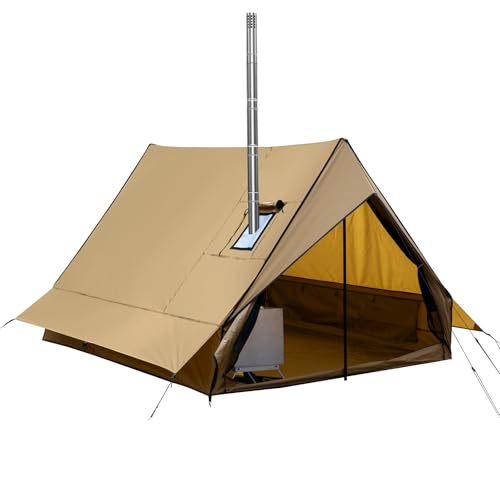
A camping tent with stove, often called a "hot tent," is a specialized shelter equipped with a stove jack—a fire-resistant port in the roof or wall that allows a chimney pipe to pass through safely. This setup enables you to install a small wood-burning stove inside the tent, providing radiant heat that keeps the interior warm even in freezing conditions. Unlike standard winter tents that rely solely on insulation and body heat, hot tents offer active heating, making them ideal for winter camping, late-season hunting, and cold-weather expeditions.
Hot tents are typically made from heavier, more durable materials like canvas or high-denier synthetic fabrics that can withstand heat and resist sparks. They are often designed in shapes like tipis, wall tents, or bell tents to optimize heat retention and allow for standing room. If you're new to cold-weather camping, understanding how to stay warm in winter is essential, and a hot tent is one of the most effective tools for that goal.
Why Choose a Camping Tent with Stove?
The primary benefit of a hot tent is comfort. In a traditional tent, temperatures inside can drop to dangerous levels overnight. With a stove, you can maintain a comfortable, stable temperature, reducing the risk of frostbite and hypothermia. This makes hot tents a game-changer for winter campers, especially those who camp with families or in extremely cold environments.
Beyond warmth, a stove allows you to dry wet clothing and gear, melt snow for drinking water, and even cook meals without leaving the shelter. This self-sufficiency is invaluable during multi-day trips in remote areas. For those who enjoy hot tent camping, the experience is closer to glamping than roughing it, blending the adventure of the outdoors with the comforts of a warm, dry living space.
Key Features to Look For in a Hot Tent
When selecting a camping tent with stove, consider the following features to ensure safety, durability, and performance:
- Stove Jack: The most critical component. Look for a tent with a heat-resistant stove jack, often made from fiberglass or silicone-coated fabric. Some tents offer adjustable or removable jacks for versatility.
- Material: Canvas tents are traditional and breathable but heavy. Synthetic fabrics like polyester or nylon with high denier ratings are lighter and more packable. For extreme conditions, consider a 4-season tent with stove jack.
- Shape and Size: Tipi and bell tents are popular for their heat efficiency and standing room. Wall tents offer more living space. Choose a size that accommodates your group and gear; a 6-person tent you can stand up in is a good option for families.
- Ventilation: Proper airflow is crucial to prevent carbon monoxide buildup. Look for tents with adjustable vents and a chimney port that seals tightly when not in use.
- Season Rating: While many hot tents are 4-season, some are 3-season with stove compatibility. Ensure the tent is rated for the conditions you'll encounter.
Types of Hot Tents: Which One Is Right for You?
Hot tents come in several styles, each with its own advantages:
- Canvas Wall Tents: These are the classic choice for base camps. They are heavy but extremely durable and breathable. Many canvas tents for camping feature stove jacks and are ideal for long-term setups.
- Tipi Tents: Lightweight and efficient, tipis shed snow well and require fewer stakes. They are great for backcountry trips where weight is a concern. A tent with trekking pole compatibility can double as a tipi shelter.
- Bell Tents: Similar to tipis but with more vertical walls, bell tents offer more usable floor space. They are popular for glamping and family camping. You can find 4m fire retardant bell tents with stove hole designed for hot tenting.
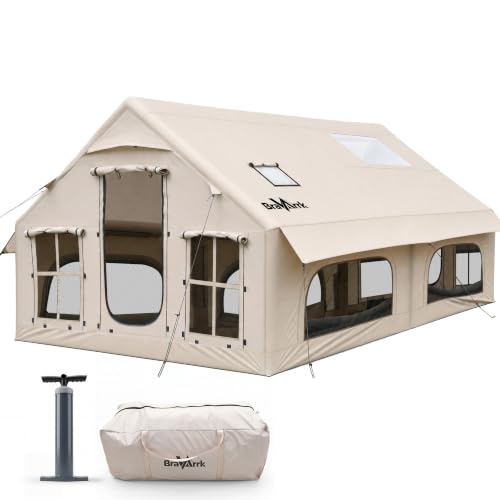
- Inflatable Hot Tents: For those who prioritize ease of setup, some inflatable tents for sale now include stove jacks, combining quick inflation with hot tent functionality.
Stove Safety: Essential Rules for Hot Tent Camping
Safety is paramount when using a stove inside a tent. Carbon monoxide (CO) is an invisible, odorless gas that can be deadly. Always follow these guidelines:
- Ventilation: Keep vents open to allow fresh air to circulate. Never completely seal the tent.
- CO Detector: Install a battery-operated carbon monoxide detector inside the tent. This is non-negotiable. Learn more about safe tent heaters for camping.
- Stove Placement: Place the stove on a stable, heat-resistant surface, away from tent walls. Use a spark arrestor on the chimney.
- Fire Extinguisher: Keep a small fire extinguisher or a bucket of water/sand near the exit.
- Never Leave Unattended: Turn off the stove before sleeping or leaving the tent.
- Practice Fire Safety: Familiarize yourself with campfire safety rules and how to extinguish a campfire—the same principles apply to tent stoves.
For more on emergency preparedness, see our guides on emergency preparedness for camping and common camping injuries.
How to Set Up a Camping Tent with Stove
Setting up a hot tent requires more care than a standard tent, especially in snow. Start by choosing a level site and clearing any debris. If camping on snow, compact the area and consider using a ground tarp for insulation. Assemble the tent according to the manufacturer's instructions, ensuring the stove jack is correctly aligned.
For snow-specific tips, read our guide on how to set up a tent on snow. If you're caught in rain, learn how to set up a tent in the rain to keep your gear dry. Once the tent is up, install the stove, ensuring the chimney pipe extends well above the tent and is secured with guy lines. Always test the stove outside the tent first to ensure it's functioning properly.
Winter Hot Tent Camping: Tips for a Comfortable Trip
Hot tenting in winter is a rewarding experience, but it requires preparation. Layering is key: wear moisture-wicking base layers, insulating mid-layers, and a windproof outer shell. Our guide on layering clothing for winter explains this in detail. Don't forget winter boots for camping to keep your feet warm and dry.
For sleeping, use a winter sleeping bag rated for the expected temperatures. A sleeping pad with a high R-value, such as an ultralight camping sleeping pad, provides insulation from the cold ground. Consider a liner for your sleeping bag for extra warmth. To melt snow for water, follow our guide on how to melt snow for water. And for a cozy evening, try some winter hot drink recipes.
Where to Go Hot Tent Camping
Hot tenting opens up a world of winter destinations. In the US, consider winter camping in Colorado or winter camping in Yellowstone. For a truly wild experience, try snow camping in Alaska. In Canada, winter camping in Canada offers pristine wilderness. Always check local regulations and obtain necessary permits. For more options, explore our camping destinations section.
Before you go, review national park rules and Leave No Trace principles to minimize your impact. And always check weather alerts before heading out.
Frequently Asked Questions
Can I use a regular tent with a stove?
No, you should never use a stove in a tent without a proper stove jack. Regular tents are not fire-resistant and lack the ventilation needed, posing severe fire and carbon monoxide risks. Always use a tent specifically designed for stove use.
What is the best material for a hot tent?
Canvas is traditional and breathable, while high-denier synthetic fabrics are lighter and more packable. The best choice depends on your priorities: canvas for durability and breathability, synthetics for weight savings.
How do I prevent carbon monoxide poisoning?
Always keep vents open, install a CO detector, and never sleep with the stove burning. Ensure the chimney is properly sealed and extends well above the tent. For more, see our emergency communication and what to do if lost guides.
Are hot tents worth the investment?
For frequent winter campers, absolutely. They extend your season, provide unmatched comfort, and can be used for years. If you only camp in mild weather, a standard tent may suffice. See our article on are expensive tents worth it for more insights.