Canvas Tent with Stove: The Ultimate Guide to Hot Tent Camping
Everything you need to know about choosing, using, and maintaining a canvas tent with a wood stove for four-season adventures, winter camping, and backcountry comfort.
Why a Canvas Tent with Stove? If you've ever dreamed of camping through winter or extending your outdoor season, a canvas tent with a stove is a game-changer. Unlike synthetic tents, canvas breathes, handles heat, and creates a dry, warm sanctuary. This guide walks you through every consideration—from material and stove jacks to setup and safety—so you can camp in comfort, even when temperatures drop below freezing. Whether you're a seasoned hunter, a winter adventurer, or a family looking for a unique experience, this is your complete resource.
What Exactly Is a Canvas Tent with Stove?
A canvas tent with stove—often called a hot tent—is a heavy-duty, four-season shelter made from breathable cotton canvas, featuring a stove jack. This jack is a fire-resistant port, typically made of silicone or fiberglass, that allows a wood-burning stovepipe to exit the tent safely. The result is a heated, dry living space that can be used for cooking, drying gear, and staying warm in freezing conditions. Unlike standard nylon tents, canvas tents are designed to withstand the heat and sparks of a wood stove, making them the gold standard for winter camping and extended basecamps.
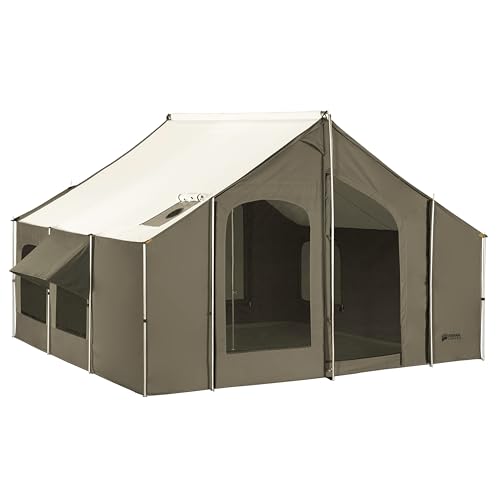
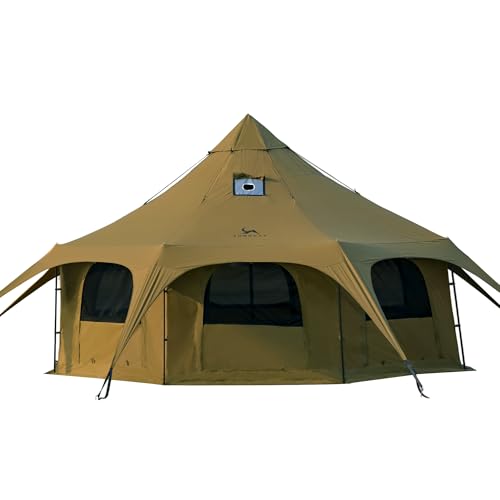
These tents come in various shapes: wall tents, bell tents, tipi-style, and cabin tents. The most popular for stove use are wall tents (like the classic shape) and bell tents (for a more aesthetic, glamping feel). When paired with a proper stove, they become a portable cabin. If you're new to cold-weather camping, it's worth reading our winter camping guide to understand the broader context before diving into hot tenting.
Key Features to Look For in a Canvas Tent with Stove
Not all canvas tents are created equal. When shopping for a hot tent, focus on these critical features to ensure safety, durability, and comfort:
1. Stove Jack Quality
The stove jack is the most important safety component. Look for a double-layer, silicone-coated fiberglass jack that withstands high temperatures. It should have a secure seal around the pipe to prevent smoke and embers from entering. Some tents offer multiple jacks (for a stove and a chimney), giving you flexibility.
2. Canvas Material & Weight
Look for 100% cotton canvas, often 8–10 oz or heavier. It should be treated for water and mildew resistance. Breathability is key to managing condensation. While heavier canvas is more durable and warmer, it also adds weight—consider how you'll transport it (car camping vs. backpacking).
3. Frame & Structure
External frames (poles on the outside) are easier to set up in snow and allow for better interior space. Look for sturdy poles, often aluminum or steel. A-frame or center-pole designs are common. The tent should have reinforced guy-out points and a snow skirt for sealing out drafts.
4. Ventilation
Proper ventilation is critical when using a stove. Look for adjustable vents near the top and bottom of the tent. This allows you to control airflow, reduce condensation, and prevent carbon monoxide buildup. A tent with only a stove jack and no other vents is a safety hazard.
5. Size & Capacity
Choose a size based on your group and gear. A 4-person tent is cozy for 2–3 people with a stove. A 6-person or 8-person tent offers more living space. Remember: you'll need clearance around the stove, so don't max out the capacity. Check our tent size guide for more help.
6. Floor Options
Some canvas tents come with a built-in floor (often heavy-duty PVC or canvas), while others are floorless. Floorless tents are great for wood stoves (you can put a heat shield on the ground) and for muddy conditions, but they let in more drafts. A floor adds warmth and keeps out moisture.
Entry-Level vs. Mid-Range vs. Premium Canvas Tents
To help you make a smart decision, here's a comparison of canvas tents with stove across three quality tiers. We use universal descriptors instead of prices, so this guide stays relevant for years.
| Feature | Entry-Level | Mid-Range | Premium |
|---|---|---|---|
| Canvas Weight | 8–10 oz cotton | 10–12 oz cotton | 12–15 oz cotton or cotton-poly blend |
| Stove Jack | Single, basic silicone jack | Double-layer, high-temp fiberglass | Reinforced, multiple jacks, heat-resistant |
| Frame | Basic steel or aluminum poles | Heavy-duty aluminum, external frame | Precision-engineered aluminum, easy-setup system |
| Ventilation | Limited vents | Multiple adjustable vents | High/low vents with mesh, chimney draft control |
| Durability | Good for occasional use | Excellent for regular seasonal use | Built for heavy, extended use and harsh conditions |
| Best For | Beginners, mild winters | Serious campers, hunters, families | Expedition, professional guides, extreme cold |
Entry-level tents are a great way to try hot tenting without a huge commitment. Mid-range models offer the best balance of durability and features for most campers. Premium tents are investments for those who camp in extreme conditions or use their tent for many seasons. If you're unsure whether the investment is worth it, read our article on whether expensive tents are worth it.
Pros and Cons of Canvas Tents with Stove
✅ Advantages
- Exceptional warmth and comfort in freezing temperatures
- Ability to dry wet gear and cook inside
- Breathable canvas reduces condensation
- Durable and long-lasting with proper care
- Creates a cozy, cabin-like atmosphere
- Extends your camping season into winter
❌ Disadvantages
- Heavy and bulky—not ideal for backpacking
- Requires more setup time and effort
- Needs regular maintenance (re-waterproofing, mildew prevention)
- Higher upfront investment than synthetic tents
- Requires fire safety knowledge and vigilance
- Can be challenging to dry out after a trip
Despite the drawbacks, for many winter campers and hunters, the pros far outweigh the cons. The comfort and extended usability make canvas tents a worthwhile investment. If you're still comparing options, our guide on tent vs hammock might help you decide on your shelter strategy.
How to Set Up a Canvas Tent with Stove (Step-by-Step)
Setting up a hot tent is different from a standard pop-up tent. Here's a general process to follow. Always refer to your specific tent's manual.
- Choose a Safe Location: Find a flat, clear area away from overhanging branches and dry vegetation. Ensure the ground is level and free of rocks. In snow, pack down a platform first. For more tips, see our guide on setting up a tent on snow.
- Lay Out the Tent: Spread the canvas out and identify the door, stove jack, and guy-out points. If it has a floor, position it correctly.
- Assemble the Frame: Most canvas tents use an external frame. Connect the poles and raise the structure. This may require two people for larger tents.
- Drape and Secure the Canvas: Pull the canvas over the frame, ensuring the stove jack is positioned where you want the stove. Secure all guy lines and stakes. A snow skirt should be buried or weighted down.
- Install the Stove Pipe: Carefully feed the stovepipe through the stove jack. Use the provided flashing or collar to create a tight seal. Ensure the pipe extends high enough above the tent to draft properly. Install a spark arrestor.
- Set Up the Stove: Place your wood stove on a heat-resistant mat or a layer of sand/dirt. Connect the stovepipe to the stove. Ensure all connections are tight.
- Ventilate and Test: Open vents, light a small test fire, and check for smoke leaks. Adjust the damper and vents to control the burn. Never leave a fire unattended.
For more detailed instructions on different terrains, check out our guides on setting up a tent in the rain and on a platform.
Safety and Maintenance Tips for Hot Tent Camping
Using a stove inside a tent requires responsibility. Follow these safety guidelines to prevent accidents:
- Carbon Monoxide Awareness: Always maintain proper ventilation. Never seal the tent completely. Consider bringing a battery-operated CO detector. Learn more about emergency communication and safety.
- Fire Safety: Keep a fire extinguisher or a bucket of water/sand near the stove. Never leave the stove unattended. Follow campfire safety rules and check for fire bans before you go.
- Clearance: Maintain at least 12–18 inches of clearance between the stove and canvas walls. Use a heat shield if necessary.
- Maintenance: After each trip, clean and dry the canvas thoroughly to prevent mildew. Re-waterproof the canvas annually. Store in a dry, cool place. Inspect the stove jack for wear and tear.
- Stove Care: Clean your stovepipe regularly to prevent creosote buildup, which can cause chimney fires. Store the stove in a dry place.
For a complete list of safety considerations, read our winter camping safety guide and wilderness first aid resources.
Best Uses for a Canvas Tent with Stove
Winter Camping
The most obvious use. A hot tent transforms winter camping from a survival test into a comfortable retreat. It's ideal for snowy landscapes and sub-freezing temperatures.
Hunting Basecamp
Hunters love canvas tents with stoves for their durability, warmth, and ability to dry gear. They make excellent basecamps for multi-day hunts in remote areas.
Family Adventures
For families who want to camp in cooler months, a hot tent provides a safe, warm space for kids and adults. It's a memorable experience that can turn skeptics into campers.
Extended Stay / Glamping
If you're staying put for a week or more, a canvas tent with stove offers the comforts of a cabin. Many glamping sites now offer these as luxury accommodations.
Emergency Shelter
In a survival situation, a canvas tent with a stove can be a lifesaving shelter. It provides heat, a place to dry clothes, and a moral boost. See our emergency preparedness guide.
Backcountry Basecamp
For backcountry skiers, mountaineers, or explorers, a hot tent can serve as a basecamp. It's heavier, so it's best for situations where you're not moving every day.
Choosing the Right Stove for Your Canvas Tent
The stove you choose is just as important as the tent. Here are the main types:
- Wood-Burning Stoves: The classic choice. They burn wood, provide excellent heat, and can be used for cooking. Look for models with a sturdy construction, a reliable damper, and a spark arrestor. Some are designed specifically for tent use, like the portable camping wood stove.
- Propane Stoves: Some campers use propane heaters or stoves, but these require extreme caution due to carbon monoxide risks. Only use in well-ventilated tents and with a CO detector. Generally, wood stoves are preferred for hot tenting.
- Alternative Fuels: There are also stoves that burn pellets or even charcoal, but wood remains the most popular and practical for canvas tents.
When selecting a stove, consider the size of your tent. A stove that's too small won't heat a large space; one that's too large can overheat and be dangerous. Also, ensure the stovepipe diameter matches your tent's stove jack.
Frequently Asked Questions
Ready to Extend Your Camping Season?
Explore our recommended canvas tents with stove and essential winter camping gear below. Find the perfect setup for your next cold-weather adventure.
View Recommended GearFor further reading, explore our guides on canvas tents for sale, camping tent with stove, and 4-season tent with stove jack. If you're considering other shelter options, see our comparison of pop-up tents with sides or heavy-duty canopy tents.