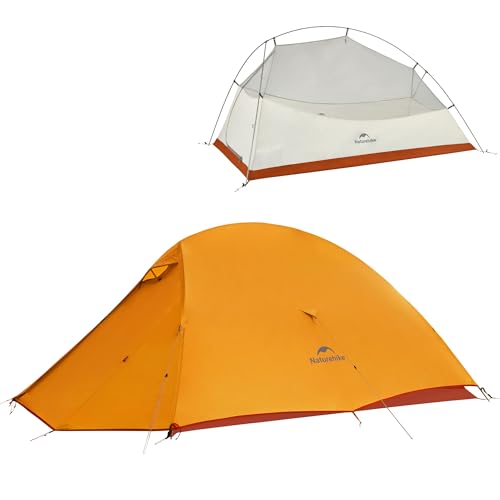
Two Person Backpacking Tent Guide: Ultralight & Durable Picks
Discover the perfect balance of weight, space, and weather protection. Our expert guide helps you choose the ideal two-person backpacking tent for your next adventure.
Why a Two-Person Tent? For backpackers, a two-person tent offers the ideal balance of living space and portability. It provides enough room for two adults and their gear, or serves as a luxurious solo shelter. Choosing the right one is a critical decision that impacts your comfort and safety on the trail.
Understanding Two-Person Tent Capacity and Sizing
When shopping for a two-person backpacking tent, the first consideration is the "capacity" rating. While it seems straightforward, a "2-person" tent can vary significantly in actual usable space. Most manufacturers design these tents for two people using standard rectangular sleeping pads. However, if you or your partner are taller than average or use wider pads, you may find the space tighter than expected. For maximum comfort, look for a tent with a floor area of at least 30 square feet and a peak height that allows you to sit up without touching the ceiling. It's also wise to check the packed size, as a tent that is too bulky can be a burden on long treks. If you are unsure about sizing, our guide on how to choose tent size can provide further clarity.
The Critical Factor of Weight: Ultralight vs. Standard
For backpacking, weight is the single most important variable after basic functionality. Two-person tents are generally classified into three tiers: ultralight, lightweight, and standard. Ultralight models are typically the most expensive, using advanced materials like Dyneema or high-tenacity nylon to shed every possible gram. Lightweight tents offer a more accessible middle ground, often weighing between 3 to 5 pounds, and are the most popular choice for general backpacking. Standard tents prioritize durability and interior space but come with a noticeable weight penalty. When considering your options, remember that a lighter tent reduces fatigue, but you must balance this against durability and features like freestanding capability. You might also consider a one-person backpacking tent if you primarily hike solo but want extra gear space.
Weather Protection: 3-Season vs. 4-Season Tents
The vast majority of backpacking trips call for a 3-season tent, designed to handle spring, summer, and fall conditions. These tents prioritize ventilation to prevent condensation and often feature large mesh panels for stargazing on clear nights. A 3-season tent is generally lighter and more breathable than its 4-season counterpart. For winter camping or high-altitude expeditions, a 4-season tent is necessary. These tents are built to withstand heavy snow loads and strong winds, featuring sturdy poles and limited mesh to retain heat. However, they are heavier, less ventilated, and can feel stifling in warmer weather. For most backpackers, a high-quality 3-season tent is the most versatile choice. If you plan to camp in cold weather, ensure your gear is up to the task by reviewing our winter camping gear guide.
Key Features: Doors, Vestibules, and Setup
Beyond weight and seasonality, several features significantly impact your experience. Two doors and two vestibules are highly desirable in a two-person tent, as they provide individual entry/exit and separate storage for dirty boots and packs. A single-door tent saves weight but can be inconvenient for two people. Freestanding designs are easier to set up on rocky or hard ground, while trekking pole tents are lighter but require more skill and space to pitch. Consider the setup process; a tent that is difficult to pitch in the rain can lead to a miserable start to your trip. For tips on managing wet conditions, see our advice on setting up a tent in the rain. If you prefer a quick and easy setup, you might want to look at a quick set up tent, though these are often heavier and better suited for car camping.
Materials and Durability: What to Look For
The fabric of your tent determines its weight, durability, and weather resistance. Nylon and polyester are the most common materials. Nylon is stronger and more elastic, while polyester is more resistant to UV damage. Look for a denier (D) rating; a higher denier means a thicker, heavier, and more durable fabric. The waterproof coating is also crucial. Silicone-treated fabrics are lightweight and strong, while polyurethane coatings are more affordable but can degrade over time. The hydrostatic head (HH) rating measures waterproofness; for backpacking, a rating of 1,500mm to 3,000mm is generally sufficient for rain, while higher ratings are needed for snow or extreme conditions. Investing in a durable tent is wise; our article on how long do tents last can help you understand the lifespan of different materials.
Setting Up Your Two-Person Backpacking Tent
Practice makes perfect when it comes to pitching your tent. Before your trip, set it up in your backyard to familiarize yourself with the process. This ensures you can pitch it quickly and correctly in the field, even in poor weather or low light. Always choose a flat, level site, and clear away any rocks, sticks, or debris that could damage the floor. Use a footprint or ground cloth to protect the tent floor from abrasion and moisture. In windy conditions, stake out all guy lines and consider using additional guy lines for stability. If you are camping on snow, you may need to use snow stakes or buried anchors; our guide on how to setup a tent on snow provides detailed instructions. Proper setup is essential for a safe and comfortable night's sleep.
Maintenance and Care for Longevity
To extend the life of your two-person backpacking tent, proper care is essential. Always clean and dry your tent thoroughly before storing it. Dirt and moisture can lead to mildew and fabric degradation. Use a mild soap and water solution for cleaning, and avoid harsh chemicals or washing machines. Store your tent loosely in a cool, dry place, away from direct sunlight. Periodically check the seams and re-seal them if necessary. With proper care, a high-quality tent can last for many seasons of adventure. For more tips on maintaining your gear, explore our camping gear section.