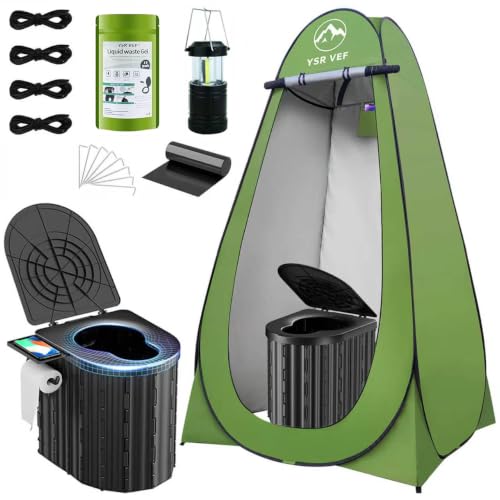
Camping Tent with Toilet: Your Complete Guide to Privacy & Comfort
Discover how to integrate a portable toilet into your camping setup with privacy tents, sanitation tips, and gear recommendations for a cleaner outdoor experience.
EXPLORE THE GUIDEWhy a toilet tent matters: A dedicated privacy shelter transforms your campsite, offering convenience, hygiene, and comfort—especially for families, women, and anyone camping in areas without facilities.
What Is a Camping Tent with Toilet?
A camping tent with toilet—often called a privacy tent, toilet tent, or shower tent—is a compact, pop-up or pole-supported shelter designed to house a portable toilet. Unlike a standard camping tent, these shelters prioritize quick access, ventilation, and complete privacy. They are typically lightweight, easy to set up, and can be placed near your main tent or in a designated area.
These tents come in various sizes: solo models for individual use, and larger options that accommodate a portable toilet plus a small changing area. Many are designed to be used as a combined toilet and shower shelter, making them a versatile addition to any campsite. For those who want a self-contained solution, some pop-up privacy tents offer a dedicated space for both hygiene and changing.
Benefits of Using a Toilet Tent
Using a dedicated shelter for your toilet offers several advantages:
- Privacy: A dedicated enclosure ensures you can answer nature’s call without feeling exposed, even at busy campgrounds.
- Hygiene: Keeping toilet activities separate from your sleeping quarters reduces the risk of contamination and odors.
- Convenience: No more late-night treks to a distant bathhouse—your toilet is just steps away.
- Comfort: For families with young children or elderly campers, having a nearby toilet is a game-changer.
- Versatility: Many privacy tents double as changing rooms or shower stalls.
If you’re new to camping, understanding camping FAQ basics can help you decide whether a toilet tent fits your style. For those who prefer a full bathroom setup, a portable toilet and tent combo is an excellent starting point.
Types of Toilet Tents & Portable Toilets
When selecting a toilet tent, consider the type of portable toilet you plan to use. Here are the most common setups:
1. Pop-Up Privacy Tents
These are the most popular for toilet use. They spring into shape in seconds and fold flat for storage. Look for models with a durable floor, mesh vents, and a full-length zipper. A pop-up privacy tent is ideal for quick trips and minimal setup time.
2. Pole-Supported Toilet Tents
These require assembly but often offer more headroom and stability. They are a good choice for longer camping trips where you want a more permanent bathroom area. Some models include a camping tent with stove style ventilation, though for toilets, you want a separate shelter.
3. Portable Toilet Options
Inside your tent, you can use a chemical toilet, a bucket toilet with a seat, or a composting toilet. For a complete kit, consider a portable toilet and tent package. If you’re camping with a larger group, a 10-person camping tent might be your main shelter, with a separate toilet tent nearby.
How to Choose the Right Toilet Tent
Before buying, ask yourself these questions:
- Capacity: Will it be used by one person or a family? A solo camper can use a small smallest pop-up tent, while families may need a larger privacy shelter.
- Setup: Do you want an instant pop-up or a pole tent? For ease, an easy set up tent or quick set up tent is best.
- Ventilation: Look for mesh panels to reduce odors and condensation.
- Floor: A waterproof floor keeps the interior clean and dry.
- Durability: Check the fabric—polyester and nylon are common. For heavy use, a canvas tents for camping might be overkill, but a sturdy polyester privacy tent is fine.
- Portability: If you’re backpacking, weight matters. A ultralight camping sleeping pad is for sleeping, but for toilet tents, look for lightweight models.
If you’re unsure about tent sizes in general, our guide on how to choose tent size can help you understand capacity ratings.
Setting Up Your Toilet Tent
Placement is key. Choose a spot downwind from your sleeping area and at least 200 feet from water sources. If you’re camping in a developed campground, check state park rules or national park rules for specific regulations on toilet use. In dispersed areas, follow Leave No Trace principles.
For a stable setup, clear the ground of rocks and twigs. If you’re using a pop-up tent, practice setting it up at home first. For pole tents, stake out the corners and assemble the poles. Some campers prefer to use a tent cots for camping inside a larger tent, but for toilet tents, a simple floor is enough.
If you’re camping in rainy conditions, ensure your toilet tent has a rainfly. You might also want to read our tips on camping in a tent in the rain to keep your gear dry.
Maintenance & Hygiene Tips
Keeping your toilet tent clean is essential. Use disposable liners for your portable toilet, and store toilet paper in a sealed bag. After each use, ventilate the tent by opening the mesh windows. Periodically wipe down the interior with disinfectant wipes.
For waste disposal, follow local guidelines. Many campgrounds have dump stations; if not, pack out your waste using double-bagged containers. Never bury waste near camp. For more on responsible camping, see our camping FAQ and Leave No Trace guides.
Related Gear for a Complete Camping Bathroom
Beyond the tent and toilet, consider these accessories:
- Privacy shelter: A pop-up camping shower toilet changing room tent offers multiple functions.
- Portable toilet: Look for a portable toilet and tent bundle.
- Lighting: A camping lantern or camping light for nighttime use.
- Sanitation: Hand sanitizer, toilet paper, and waste bags.
If you’re setting up a full campsite, you might also want a camping tent with stove for cooking, and a camping chair for relaxation.
Toilet Tents for Families and Groups
Families with young children benefit greatly from a dedicated toilet tent. It reduces nighttime anxiety and makes potty training on the go easier. For larger groups, a 10-person camping tent can serve as the main sleeping quarters, while a separate privacy tent handles bathroom duties. If you’re camping with a dog, check our guide on camping with dogs for additional tips.
For those who want a more luxurious experience, glamping tents often include bathroom facilities, but a standard toilet tent is a more affordable and flexible solution.
Using a Toilet Tent in Winter
Winter camping requires extra precautions. A toilet tent can still be used, but you’ll want to ensure it’s sturdy enough to handle snow and wind. Consider a 4-season tent with stove jack if you’re camping in extreme cold, though for a toilet tent, a simple pop-up with a rainfly works. Keep the interior dry and use a winter camping heater only if it’s safe for enclosed spaces. Read more in our winter camping guide.
Frequently Asked Questions
Can I use any tent as a toilet tent? Technically yes, but a dedicated privacy tent is better because it’s designed for quick access and ventilation. A standard camping tent may not have the right features.
How do I dispose of waste? Use approved dump stations or pack it out. Never dump waste in the wild. Check BLM camping rules for specific guidelines.
Are toilet tents allowed in all campgrounds? Most allow them, but always check campground vs wild camping regulations and do I need a reservation for your chosen site.
What’s the best toilet tent for backpacking? Look for a lightweight pop-up model. A ultralight camping sleeping pad is for sleeping, but for toilet tents, prioritize compactness.
Ready to upgrade your camping comfort? Explore our recommended gear below to find the perfect toilet tent and portable toilet for your next adventure.