
Heavy Duty Outdoor Canopy Tent: The Complete Buyer's Guide
Everything you need to know before choosing a rugged, weather-resistant canopy shelter for camping, tailgating, events, or backyard use. Compare frame types, fabrics, and features with confidence.
SEE TOP PICKSWhy a Heavy Duty Canopy Tent Matters: A standard pop-up canopy may survive a calm afternoon, but a heavy duty outdoor canopy tent is engineered for wind gusts, driving rain, and seasons of repeated use. If you are tired of flimsy shelters that collapse or tear, this guide will help you identify the construction details that separate true heavy duty canopies from lightweight imitations.
What Makes a Canopy Tent Truly Heavy Duty?
The phrase "heavy duty" is used loosely in product listings, so it helps to know which specifications actually matter. A heavy duty outdoor canopy tent is defined by four core components: the frame, the fabric, the connectors, and the anchoring system. When all four are upgraded, the canopy can handle real-world conditions rather than just light shade duty.
🦾 Frame Construction
Heavy duty canopies typically use powder-coated steel or aircraft-grade aluminum. Steel frames offer maximum stability for semi-permanent setups, while aluminum frames resist rust and remain portable. Look for reinforced truss bars and cross-bracing at the legs.
🧵 Fabric Quality
Top-tier canopies use 500D or higher denier polyester or PVC-coated Oxford fabric. These materials resist UV fading, water penetration, and tearing. Entry-level canopies often use 210D fabric that wears quickly under sun and rain.
🔗 Connectors & Joints
Metal connectors, reinforced nylon brackets, and bolted joints are hallmarks of heavy duty construction. Plastic clips and push-pin joints are common failure points in budget canopies.
⚓ Anchoring System
A heavy duty canopy should include pre-drilled feet, stakes, guy lines, and weight bags. Without proper anchoring, even the strongest frame can become airborne in gusty conditions.
When you compare a mid-range canopy to a top-tier model, the difference often comes down to how the frame handles lateral force. Premium canopies distribute stress across multiple truss points rather than concentrating it at a single joint. This is why they survive wind that folds lesser shelters. If you are also shopping for a smaller shade solution, our guide on the 10x10 canopy tent with sidewalls covers compact options that pair well with a larger heavy duty setup.
Types of Heavy Duty Canopy Tents
Not all heavy duty canopies serve the same purpose. The right choice depends on whether you need portability, maximum coverage, or a permanent shade structure. Below are the main categories you will encounter.
Pop-Up Canopy Tents
Pop-up canopies are the most popular style for camping, tailgating, and market stalls. A heavy duty pop-up canopy uses a pre-assembled frame that expands in minutes. Mid-range models often feature a one-push center hub, while top-tier models include reinforced trusses and a wheeled carry bag. The trade-off is that even heavy duty pop-up canopies are not designed for permanent installation.
Straight Leg vs. Slant Leg Canopies
Straight leg canopies provide full coverage from edge to edge, making them ideal for vendor booths and campsite kitchens. Slant leg canopies have a wider base but a smaller footprint at the top. For heavy duty applications, straight leg designs are generally preferred because they offer more usable shade and a more stable structure.
Canopy Tents with Sidewalls
Adding sidewalls transforms a simple shade canopy into a weather-resistant shelter. Heavy duty sidewalls attach with zippers, hook-and-loop straps, or bungee cords. This configuration is popular for winter camping, outdoor events, and privacy screening. If you need a larger enclosed space, consider a 10 x 20 pop-up canopy tent that accommodates sidewalls on multiple sides.
Heavy Duty Gazebo and Pavilion Canopies
Gazebo-style canopies use a more permanent frame with decorative elements. They are heavier and often require two people to assemble, but they offer superior wind resistance. These are best for backyard installations and seasonal campgrounds rather than mobile use.
For campers who want a canopy that integrates with their tent setup, a pop-up tent with sides can serve double duty as a sleeping shelter and a shaded gathering area. Meanwhile, a shade pop-up canopy is a lighter alternative for day trips where full weather protection is not required.
Canopy Tent Quality Tiers Explained
To help you compare options without relying on fluctuating prices, we use a tier system that reflects build quality and intended use. This classification stays relevant regardless of market changes.
| Tier | Frame Material | Fabric | Best For |
|---|---|---|---|
| Entry-Level | Lightweight steel or aluminum | 210D polyester, basic UV coating | Occasional shade, calm weather |
| Mid-Range | Reinforced steel with truss bars | 300D–420D polyester, water-resistant | Regular camping, weekend events |
| Premium | Powder-coated steel or aircraft aluminum | 500D+ Oxford or PVC-coated | Frequent use, windy conditions |
| Top-Tier / Commercial | Heavy-gauge steel with bolted joints | 600D+ ripstop, full waterproofing | Vendor use, semi-permanent setups |
Mid-range canopies usually offer the best balance for recreational campers. They include enough reinforcement to handle moderate wind and rain without the weight and complexity of commercial-grade models. Premium and top-tier canopies are worth considering if you plan to use your canopy weekly or leave it standing for extended periods.
If you are building a complete outdoor shelter system, you may also want to explore high-end camping gear that complements a heavy duty canopy, such as portable tables and folding chairs that fit neatly underneath.
Key Features to Evaluate Before Buying
1. Wind Resistance and Ventilation
Wind is the number one enemy of any canopy. Heavy duty models address this with two design elements: a vented top and reinforced trusses. The vent allows air to escape rather than lift the canopy, while trusses prevent the frame from twisting. Look for canopies with at least two vent panels and cross-bracing on all four sides.
2. Waterproofing and UV Protection
Heavy duty canopy fabric should have a waterproof rating and a UV protection factor. A polyurethane or PVC coating on the underside prevents water from seeping through seams. UV-treated fabric resists fading and cracking after prolonged sun exposure. For camping in rainy regions, pair your canopy with a tent for beach shade or a dedicated rain fly if additional coverage is needed.
3. Height Adjustability
Most heavy duty canopies offer three or more height settings. Higher settings improve airflow and headroom, while lower settings increase stability in wind. Push-button or pull-pin adjustment mechanisms are more durable than friction-based sliders.
4. Portability and Storage
Even heavy duty canopies need to be transportable. A wheeled carry bag with reinforced handles makes a significant difference when moving the canopy from vehicle to campsite. Check the packed weight and dimensions before committing, especially if you will be loading it solo.
5. Sidewall and Accessory Compatibility
Many heavy duty canopies support add-on sidewalls, mesh screens, and weight bags. If you plan to enclose your canopy, confirm that the frame includes attachment points. A 10 x 10 canopy tent with sides is a popular configuration that balances coverage and portability.
Advantages of Heavy Duty Canopies
- Withstands wind gusts and heavy rain
- Reusable across multiple seasons
- Supports sidewalls and accessories
- Provides reliable shade for groups
- Stable base for tables and gear
Trade-Offs to Consider
- Heavier and bulkier than budget canopies
- Requires two people for larger sizes
- Needs proper anchoring in wind
- Higher upfront investment
- Storage space required between trips
Setup, Anchoring, and Maintenance Tips
Setting Up Your Canopy Safely
Always assemble your canopy with at least one helper. Open the frame partially, attach the fabric top, then extend the legs one at a time. Avoid forcing the frame if it binds; this usually indicates a misaligned truss. Once the canopy is upright, anchor the feet immediately before adding sidewalls or accessories.
Anchoring in Different Conditions
On grass, use long steel stakes driven at an angle. On pavement, use weighted bags filled with sand or water. In sandy soil, use sand anchors or bury the feet. If wind is forecast above moderate levels, lower the canopy to its shortest setting and add guy lines. For camping setups that combine a canopy with a sleeping shelter, our guide on setting up a tent in the rain offers additional weatherproofing strategies.
Cleaning and Storage
Wipe down the frame with a damp cloth after each use, especially if you camp near saltwater. Allow the fabric to dry completely before folding to prevent mildew. Store the canopy in a cool, dry place away from direct sunlight. Inspect connectors and trusses seasonally and replace any worn parts before they fail.
For campers who want a canopy that doubles as a cooking shelter, a camping tent with stove jack can be a useful companion. And if you are outfitting a full basecamp, our camping trip equipment list covers the essentials that pair well with a heavy duty canopy.
Common Mistakes to Avoid
Even experienced campers make mistakes with canopy tents. Here are the most common pitfalls and how to avoid them.
- Skipping the anchor: A canopy without stakes or weights is a kite waiting to happen. Always anchor before walking away.
- Overloading the frame: Hanging heavy gear from truss bars can bend the frame. Use canopy-rated accessories only.
- Ignoring wind forecasts: If gusts above 20 mph are predicted, consider postponing or using a lower height setting.
- Storing wet fabric: Moisture leads to mildew and weakened seams. Dry thoroughly before packing.
- Using the wrong stakes: Standard tent stakes pull out of loose soil. Use canopy-specific anchors for your terrain.
For more on campsite safety and weather preparedness, review our guides on camping weather alerts and emergency preparedness camping.
Recommended Heavy Duty Outdoor Canopy Tents
⚠️ AFFILIATE DISCLOSURE: This website contains affiliate links. As an Amazon Associate, we earn from qualifying purchases. If you make a purchase through these links, we may receive a small commission at no additional cost to you. Read our full affiliate policy.

Quictent 10x20FT Pop Up Canopy Tent with Sidewalls | Heavy Duty Party Tent for Outdoor Events Weddings, Easy Setup Carpas para Fiestas with Mesh Windows, Waterproof

Shintenchi 12x20 FT Heavy-Duty Design Carport,Portable Garage Canopy,Carport Canopy with Side-Opening Removable Door & Roll-Up Window,Portable Car Port for Car, Truck, Boat,Grey

10x10 Pop up Canopy Tent with Awning Easy up Canopy with Wheel Bag Heavy Duty Waterproof Canopy Commercial Gazebo Tent for Outdoors Parties Vendors(Navy Blue)

COBIZI 10x15 Heavy Duty Pop up Canopy Tent with Sidewalls Commercial Canopy | Easy Up, Outdoor Tents for Party, Wedding, Event Shelter, UPF 50+, Waterproof Gazebo with Carry Bag, Gray, Frame Thickened
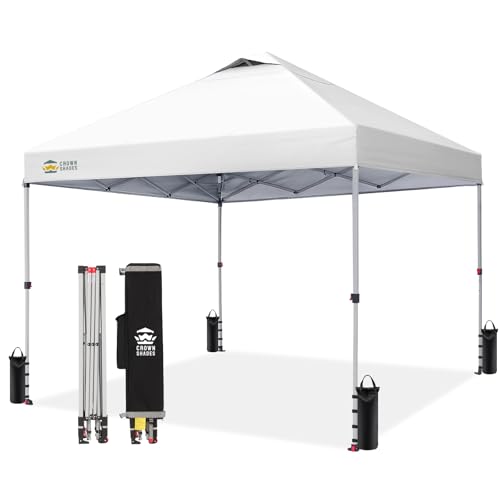
CROWN SHADES 10x10 Pop Up Canopy Tent with One Push Setup, Grid White | Patented CenterLok, Easy Outdoor Sun Shade for Events, Parties, Camping - Gazebo with STO-N-Go Cover Bag, Silver-Coated Top

Quictent 10'x20' Heavy Duty Pop up Canopy Tent with 3 Removable Sidewalls | Commercial Grade Instant Shelter with Wheeled Bag for Outdoor, Parties, Markets, 600D PU Coated UPF 50+ Sun Shield

Devoko 10x30 FT Outdoor Water & UV & Wind Resistant Party Tent | Heavy Duty Canopy Tent with 8 Removable Sidewalls, Large Canopy for Birthday Parties, Weddings, and Patio Gatherings, White

Vinabilia 10x10 Pop Up Canopy Tent with One-Push Center Lock,White | 3 Adjustable Heights, Carry Bag Included, Tents for Camping, Backyard, Beach, Parties and Outdoor Events
Frequently Asked Questions
Ready to Choose Your Heavy Duty Canopy Tent?
Now that you understand frames, fabrics, and anchoring, you are ready to compare models with confidence. Check our top recommendations below and find the canopy that matches your campsite, climate, and group size.
VIEW TOP RECOMMENDATIONS