Tents for 2 Person: The Complete Buyer's Guide
Find the perfect two-person tent for your next adventure. We break down capacity, season ratings, setup, and features so you can choose with confidence.
VIEW TOP PICKSWhy a 2-person tent? A two-person tent is the sweet spot for couples, friends, or solo campers who want extra space. It offers a balance of comfort, portability, and livability that larger tents often sacrifice. This guide will help you understand the key differences so you can find the ideal shelter for your needs.
What to Look for in a 2-Person Tent
Choosing a tent for two people involves more than just picking a size. You need to consider how you'll use it, the conditions you'll face, and the features that matter most to you. The right tent will feel like a comfortable retreat after a long day outdoors.
One of the first decisions is the season rating. A 3-season tent is the most versatile choice for spring, summer, and fall. It balances ventilation and weather protection. For winter camping, a 4-season tent offers greater durability and snow load capacity, but it will be heavier and less breathable in warm weather. For most campers, a 3-season tent is the ideal starting point. If you're planning to camp in colder months, be sure to read our winter tents guide for specialized advice.
Capacity vs. Comfort is another crucial factor. A "2-person" tent is often designed to fit two sleeping pads side-by-side with little room for gear. If you want more space for your backpack, a dog, or simply to move around, look for a tent that sleeps 2 but has a generous floor area or a vestibule. Some manufacturers offer "2-person" models that are more like 2.5-person tents in practice. If you prefer a roomier feel, you might also consider a two-person backpacking tent that prioritizes livability without excessive weight.
Setup and Portability are big considerations. If you're backpacking, you'll want a lightweight model that's easy to pitch. If you're car camping, weight is less of an issue, and you can opt for more comfort features. For those who want the easiest possible setup, an easy set-up tent or an quick set-up tent can save you time and frustration at the campsite. You might also explore an instant pop-up tent if you prioritize speed above all else.
Finally, think about weather resistance. A good rainfly, taped seams, and a sturdy pole structure are essential. If you frequently camp in wet conditions, a tent with a full-coverage rainfly is a must. Proper setup is also key—learn how to set up a tent in the rain to keep your gear dry. For snow, check our guide on setting up a tent in the snow.
Types of 2-Person Tents
Not all two-person tents are the same. The style of tent you choose affects everything from interior space to weight and setup time. Here are the most common types you'll encounter.
Dome Tents
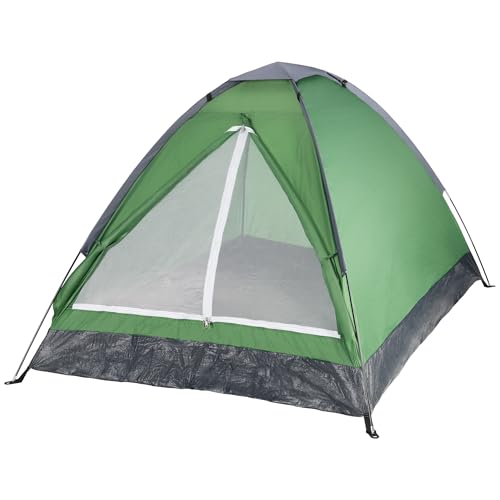
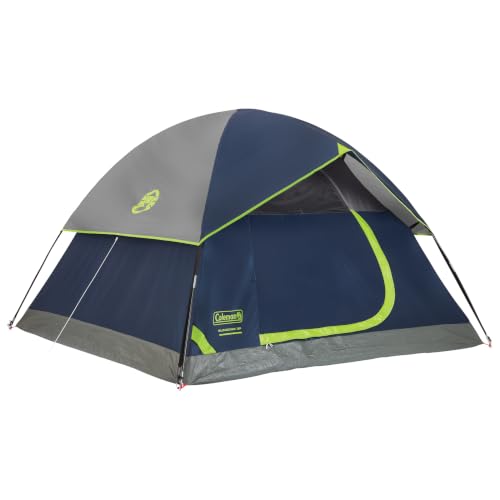
Dome tents are the most popular style for two people. They use two or more poles that cross at the top, creating a freestanding structure. This means you can pitch them almost anywhere and move them around before staking them down. Dome tents offer good headroom and are stable in wind. Most 3-season backpacking tents are dome-style. If you're looking for a simple, reliable option, a dome tent is a great choice.
Tunnel Tents
Tunnel tents use parallel poles to create a long, tunnel-like shape. They are very strong in one direction but require staking to stand up. They often offer excellent space-to-weight ratios and are popular for backpacking. However, they can be less stable in crosswinds and may require more guy lines to secure.
Pop-Up Tents
Pop-up tents are designed for maximum convenience. They often use pre-assembled poles or a flexible frame that springs into shape. They are ideal for festivals, car camping, or short trips where you want to spend less time setting up and more time enjoying the outdoors. For a 2-person option, a smallest pop-up tent can be incredibly compact when packed. You can also find a 2-person compact portable pop-up tent that fits easily in a car trunk.
Backpacking Tents
Backpacking tents are designed to be lightweight and packable. They often use lightweight materials like aluminum poles and silnylon fabrics. They may sacrifice some durability or interior space to save weight. If you plan to hike to your campsite, a backpacking-specific model is worth the investment. For more options, see our guide to good tents for backpacking.
Key Features to Compare
When comparing two-person tents, look beyond the price tag. These features will have the biggest impact on your camping experience.
- Floor Area and Peak Height: A comfortable 2-person tent typically has at least 30 square feet of floor space and a peak height of 40 inches or more. If you want to sit up comfortably, look for a model that offers more headroom. Some 2-person tents are designed so you can stand up in, which is a luxury for taller campers.
- Vestibule Size: A vestibule is a covered area outside the sleeping area but under the rainfly. It's perfect for storing muddy boots, backpacks, or cooking gear. A good vestibule keeps your living space clean and organized.
- Doors: Two doors are a major convenience for two people. It means each person can get in and out without climbing over the other. It also improves ventilation.
- Pole Material: Aluminum poles are lighter and more durable than fiberglass. They are a worthwhile upgrade for any serious camper.
- Rainfly Coverage: A full-coverage rainfly provides better protection against wind and rain. It also creates a double-wall construction that reduces condensation inside the tent.
- Weight and Packed Size: If you're carrying your tent, every pound matters. Look for a packed weight that you're comfortable carrying. For backpacking, aim for under 5 pounds for a 2-person tent.
How to Choose the Right 2-Person Tent for You
Your choice should be guided by how you plan to camp. Use these profiles to narrow down your options.
For Backpackers: Prioritize weight and packed size. Look for a lightweight dome or tunnel tent with aluminum poles. A two-person backpacking tent is specifically designed for this purpose. If you need to lighten your load further, consider a one-person backpacking tent for solo trips.
For Car Campers: You can prioritize comfort and features. A larger dome tent with a roomy vestibule and easy setup is ideal. If you want the convenience of a pop-up, look for a 2-person pop-up tent with an air mattress for added comfort. For a more spacious feel, consider a 4-person cabin camping tent with instant setup if you have the vehicle space.
For Couples: Look for a tent with two doors and a comfortable interior. A model that allows you to sit up and has good ventilation will make your trip more enjoyable. If you want a bit more space, a 3-person tent you can stand up in can be a great compromise.
For Festivals and Short Trips: A pop-up tent is a fantastic choice. They are quick to set up and take down. A 2-person compact portable pop-up tent is easy to transport and perfect for when you just need a simple shelter.
No matter your choice, proper care will extend the life of your tent. Learn how long do tents last and what you can do to protect your investment.
Frequently Asked Questions
Is a 2-person tent big enough for two people?
Yes, a 2-person tent is designed to sleep two people. However, most are sized for two sleeping pads with little extra room. If you want space for gear or more comfort, look for a tent with a larger floor area or a spacious vestibule. Some campers prefer to size up to a 3-person tent for extra room.
What is the best season rating for a 2-person tent?
A 3-season tent is the best choice for most campers. It handles spring, summer, and fall conditions well, offering a good balance of ventilation and weather protection. A 4-season tent is heavier and designed for winter conditions but can be too warm in summer.
How much should I expect to spend on a 2-person tent?
Tents for 2 people are available across a wide range of quality tiers. Entry-level models are budget-friendly and suitable for occasional use. Mid-range tents offer better materials and construction for regular campers. Premium and luxury tents use advanced fabrics and designs for the best performance and durability. The right tier for you depends on how often you camp and the conditions you expect.
Can I use a 2-person tent for solo camping?
Absolutely. Many solo campers use a 2-person tent for extra space and comfort. It gives you room for your gear and a bit more livability. The only downside is the extra weight and packed size if you're backpacking. For solo backpacking, a one-person backpacking tent is often a better choice.
How do I choose the right size tent?
Choosing the right size depends on how many people will sleep in it and how much gear you have. For a detailed breakdown, read our guide on how to choose tent size.
Are expensive tents worth it?
Higher-tier tents often use lighter, more durable materials and offer better weather protection. For frequent campers or those facing harsh conditions, the investment can be worth it. For occasional use, a mid-range or entry-level tent may be perfectly adequate. See our article on are expensive tents worth it to learn more.
How do I set up a tent on different surfaces?
Different surfaces require different techniques. You can learn how to set up on a platform, on the beach, or even on concrete. Check our guides on setting up a tent on a platform, setting up a tent on the beach, and tents that can be set up on concrete.