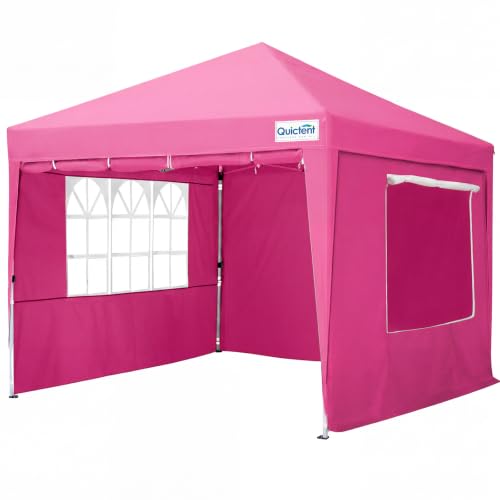
Pop Up Tent With Sides: The Complete Guide to Instant Shelters
A pop up tent with sides offers the perfect balance of quick setup, weather protection, and versatile privacy. Whether you need a camping shelter, an event canopy, or a backyard retreat, this guide will help you choose the right one.
Imagine arriving at your campsite after a long drive. The sun is setting, and you are tired. While others wrestle with poles and instructions, you simply pull your pop up tent with sides from its bag, toss it into the air, and watch it unfold in seconds. That is the magic of instant shelters.
But not all pop up tents are created equal. The addition of sides transforms a basic canopy into a fully enclosed shelter, providing privacy, wind protection, and a cozy space for sleeping or storage. If you are researching this product, you are likely looking for a shelter that balances convenience with real-world performance. This guide covers everything you need to know: how they work, what to look for, and which features matter most for your specific use case.
Before diving into the details, it is worth understanding where this type of shelter fits in the broader camping landscape. If you are still exploring different styles, our guide to camping pop up tents provides a helpful overview. For those who prioritize speed above all else, an instant pop up tent is the ultimate expression of convenience.
How Does a Pop Up Tent With Sides Work?
At its core, a pop up tent relies on pre-assembled poles that are tensioned within the fabric. When you remove the tent from its carry bag and release the strap, the poles spring into shape, pulling the fabric taut. The "sides" are separate panels that attach to the canopy frame—usually via hook-and-loop straps, zippers, or clips—creating walls that can be fully closed, partially opened, or removed entirely.
This modular design is what makes these shelters so versatile. During sunny afternoons, you can roll up the sides for airflow. When rain rolls in or you need privacy, you lower and secure them. Some models include side panels with windows or mesh vents, allowing you to maintain visibility and ventilation even when fully enclosed.
It is also important to distinguish between a pop up camping tent (which is typically a sleeping shelter with a floor) and a pop up canopy tent with sides (which is usually an open-bottom shelter for events, picnics, or shade). Both serve different purposes, and some products blur the line. If you need a dedicated sleeping space, a pop up tent with sides that includes a floor and full enclosure is the better choice. If you need shade for a gathering, a 10 x 20 pop up tent with sides might be more appropriate.
Why Choose a Pop Up Tent With Sides?
The appeal of these shelters goes beyond speed. Here are the primary reasons campers, event organizers, and outdoor enthusiasts choose them:
- Unmatched convenience: Setup takes seconds to a couple of minutes, not the 15–30 minutes required for traditional pole tents. This is especially valuable when you arrive at camp late or when weather is changing rapidly.
- Versatility: The removable sides let you adapt to conditions. Use it as an open canopy for shade, a half-walled windbreak, or a fully enclosed shelter for sleeping or privacy.
- Weather protection: Quality models feature waterproof materials, taped seams, and sturdy frames that handle wind and rain. The sides add an extra layer of defense against driving rain and cold drafts.
- Privacy: For changing clothes, using a portable toilet, or simply escaping curious eyes at a crowded campground, the sides are invaluable.
- Ease of use for all ages: No complex pole assembly means anyone in your group can set it up, from teenagers to grandparents.
That said, these tents are not without trade-offs. They tend to be heavier and bulkier than their traditional counterparts because the frame is permanently attached. They also offer less structural rigidity in high winds. Understanding these limitations helps you decide if a pop up design is right for you. Our article on whether expensive tents are worth it explores the broader value proposition of premium shelters, which can inform your decision.
Key Features to Consider Before Buying
Not all pop up tents with sides are equal. When comparing options, pay close attention to the following features. This checklist will help you cut through marketing claims and focus on what actually matters in the field.
1. Frame Mechanism and Durability
The frame is the backbone of any pop up tent. Look for pre-assembled poles made from fiberglass or aluminum. Fiberglass is lighter and resistant to rust, while aluminum is stronger and more durable but slightly heavier. The hub system—where poles meet—should be reinforced. Cheap plastic hubs are a common failure point. A mid-range or premium model will typically use metal hubs and thicker pole diameters.
2. Fabric and Weather Resistance
Most pop up tents use polyester or nylon with a polyurethane (PU) coating. The coating's hydrostatic head rating indicates water resistance—higher is better. For occasional use, a lower rating may suffice, but for regular camping in wet conditions, aim for a higher rating. Taped seams are essential to prevent leaks. Also consider UV resistance, especially if you will use the tent in strong sunlight for extended periods. Our guide on whether nylon or polyester is better for tents dives deeper into material science.
3. Side Panel Design
The sides are what set this product apart. Look for:
- Attachment method: Zippers are the most secure but can jam. Hook-and-loop straps are faster but less weathertight. Clips offer a middle ground.
- Windows and vents: Mesh windows provide airflow and visibility. Some models have roll-up flaps that convert windows into solid panels.
- Full coverage vs. partial: Some sides cover the entire wall; others leave gaps at the top or bottom. Full coverage is better for privacy and weather protection.
- Removability: Can you take the sides off completely? This is useful for summer shade setups.
4. Size and Capacity
Pop up tents with sides come in a range of sizes. Small models (2–4 person) are ideal for solo campers or couples. Larger models (6–10 person) work for families or groups. Canopy-style tents are often measured in feet (e.g., 10 x 10, 10 x 20) rather than person capacity. For camping, a 6 person instant tent is a popular choice for small families, while a 10 person instant tent suits larger groups. If you need a compact option for backpacking or car camping, a 2 person compact portable pop up tent is worth considering.
5. Floor and Groundsheet
If you plan to sleep in the tent, a sewn-in floor is essential. It keeps out moisture, insects, and drafts. Some pop up canopies do not include a floor, so if you need one, verify before purchasing. A bathtub-style floor (with raised edges) offers the best protection against standing water.
6. Ventilation
Condensation is a common problem in any tent. Look for mesh panels, roof vents, and breathable fabrics. A well-ventilated tent stays drier and more comfortable, especially in humid conditions. Our article on keeping a tent warm in cold weather discusses the balance between insulation and ventilation.
7. Portability and Packed Size
Pop up tents are bulkier than traditional tents. Check the packed dimensions and weight. If you have limited trunk space, a smaller canopy-style tent may be more practical. For car camping, size is less of an issue. For backpacking, a pop up tent is generally not recommended due to weight and bulk—traditional lightweight tents are better suited.
8. Additional Features
Other features to consider include:
- Carry bag: A sturdy bag with a shoulder strap makes transport easier.
- Stakes and guy lines: Essential for securing the tent in wind. Some models include them; others do not.
- LED lighting: Some premium models have built-in LED lights, which are convenient for evening use.
- Rainfly: A separate rainfly adds an extra layer of protection. Some pop up tents have integrated rainflies.
Pop Up Tent With Sides vs. Other Shelter Types
To help you understand where this product fits, here is a comparison with related shelter types. This table focuses on qualitative differences rather than specific prices.
| Feature | Pop Up Tent With Sides | Traditional Pole Tent | Canopy Tent (No Sides) |
|---|---|---|---|
| Setup Time | Seconds to 2 minutes | 10–30 minutes | 1–5 minutes |
| Weather Protection | Good to excellent (with sides) | Excellent | Minimal (shade only) |
| Privacy | Excellent (fully enclosed) | Excellent | None |
| Portability | Moderate (bulky) | Good (packs small) | Moderate |
| Wind Resistance | Moderate | Good to excellent | Moderate |
| Best For | Quick camping, events, backyard | Backpacking, extended trips | Picnics, shade, markets |
As the table shows, a pop up tent with sides is a specialized tool. It excels when speed and versatility matter more than ultralight weight or extreme weather performance. For many casual campers and event-goers, it is the ideal choice.
Types of Pop Up Tents With Sides
The market offers several distinct categories. Understanding these helps you narrow your search.
Camping Pop Up Tents With Sides
These are designed primarily for overnight camping. They include a floor, full enclosure, and often a rainfly. They may look like traditional dome tents but feature an instant frame. Models like the 4 man pop up tent with living area offer extra space for gear or a small seating area. The 4 man pop up tent with porch adds a covered entryway, which is useful for keeping rain out of the sleeping area.
Canopy Pop Up Tents With Sides
These are essentially instant canopies with attachable side walls. They are popular for tailgating, picnics, and outdoor events. They typically do not have a floor. A 10 x 20 pop up tent with sides is a common size for larger gatherings, while a 10 x 10 canopy tent with sides suits smaller groups. The 10 x 20 easy pop up canopy party tent is a classic example of this category.
Specialty Pop Up Tents
Some pop up tents are designed for specific activities:
- Privacy tents: Often used as changing rooms or portable toilets. A pop up privacy tent instant portable outdoor shower tent is a popular choice for campsites without facilities.
- Beach tents: Designed for sun protection and quick setup on sand. The pop up beach tent sun shade shelter land and sea is a lightweight option.
- Ice fishing tents: Insulated and sometimes compatible with a wood stove. A pop up ice fishing tent with wood stove is a specialized shelter for cold-weather anglers.
- Truck bed tents: Designed to fit in the back of a pickup. The pop up tent for back of pickup truck is a niche but useful product.
If you are unsure which type suits your needs, consider how you will use it most often. For occasional camping, a camping pop up tent is the most versatile. For events, a canopy style is more appropriate.
Setting Up and Using Your Pop Up Tent With Sides
One of the biggest advantages of these tents is ease of use. However, there are still best practices to follow for a smooth experience.
Step-by-Step Setup
- Choose a flat, clear area: Remove rocks, sticks, and debris. If the ground is wet, consider a groundsheet or footprint.
- Remove the tent from its bag: Unstrap the carry strap. Stand clear of people and objects.
- Unfold and release: Hold the tent by the hub or frame, and let it spring open. Some models require you to pull the frame outward; others pop open automatically.
- Secure the frame: Push down on the hub or locking mechanism until it clicks into place. Ensure all poles are fully extended.
- Attach the sides: If the sides are separate, attach them using the provided zippers, clips, or straps. Start at the top and work your way down.
- Stake it down: Even in calm weather, stake the corners and guy lines. This prevents the tent from blowing away or collapsing in a gust.
- Adjust ventilation: Open windows and vents as needed. If rain is expected, close them and ensure the rainfly is secure.
For tips specific to challenging conditions, see our guides on setting up a tent in the rain and setting up a tent on the beach. If you are camping in winter, setting up a tent in the snow covers the unique considerations for cold-weather pitching.
Taking Down and Packing
Taking down a pop up tent can be trickier than setting it up. Most models have a specific folding sequence. Follow the manufacturer's instructions. In general:
- Remove the sides and fold them neatly.
- Push the hub or pull the release mechanism to collapse the frame.
- Fold the tent fabric along the pole lines.
- Roll or fold the tent to fit into the carry bag.
Practice at home before your trip. Once you master the technique, you can pack up in under a minute. Our article on the easiest tent to set up and take down offers more insights into models that streamline this process.
Pros and Cons of Pop Up Tents With Sides
✅ Advantages
- Extremely fast setup and takedown
- Versatile side panels for privacy and weather protection
- No loose poles to lose or assemble
- Great for beginners, families, and casual campers
- Ideal for events, picnics, and backyard use
- Available in a wide range of sizes
⚠️ Limitations
- Bulkier and heavier than traditional tents
- Less stable in high winds
- Frame can be difficult to fold for some users
- Limited backpacking suitability
- Durability varies widely by brand
- May not perform as well in extreme weather
The key is to match the product to your needs. If you prioritize convenience and versatility, the pros far outweigh the cons. If you need a shelter for extreme conditions or long-distance backpacking, a traditional tent is likely a better fit.
Maintenance and Care Tips
To get the most life out of your pop up tent with sides, follow these maintenance practices:
- Clean after each trip: Shake out dirt and debris. Wipe down the fabric with a damp cloth. Avoid harsh chemicals.
- Dry thoroughly before storing: Moisture leads to mold and mildew. Set up the tent in a dry area and let it air out completely.
- Lubricate zippers: A silicone-based lubricant keeps zippers running smoothly. Avoid oil-based products, which attract dirt.
- Check the frame: Inspect poles and hubs for cracks or bends. Replace damaged parts promptly.
- Store properly: Keep the tent in a cool, dry place. Avoid compressing it tightly for long periods, which can damage the coating.
- Repair small issues: Patch kits and seam sealant can extend the life of your tent. Address leaks and tears as soon as they appear.
With proper care, a quality pop up tent can last many seasons. Our article on how long tents last provides a broader perspective on tent lifespan and factors that influence durability.
Common Use Cases for Pop Up Tents With Sides
These shelters are incredibly versatile. Here are some of the most popular ways people use them:
Camping and Overnight Trips
For car campers and casual campers, a pop up tent with sides is a game-changer. It eliminates the frustration of setup and allows you to focus on enjoying the outdoors. Families with young children especially appreciate the ease of use. If you are camping with kids, a larger model like a 6 man pop up tent for camping provides ample space. For those who want to stand up inside, a pop up tent you can stand up in is a worthwhile upgrade.
Backyard Camping and Sleepovers
A pop up tent is perfect for backyard adventures. It sets up in minutes, providing a fun and private space for kids. The sides offer privacy and keep out insects, making it a comfortable sleepover option.
Events, Picnics, and Tailgating
Canopy-style pop up tents with sides are staples at outdoor events. They provide shade, shelter from rain, and a designated space for food, drinks, or seating. A 10 x 20 pop up canopy tent is a popular size for larger gatherings. For smaller groups, a 12 x 12 pop up canopy tent is more manageable.
Privacy and Utility
Pop up privacy tents are used as portable changing rooms, shower stalls, and toilets. They are especially useful at campsites without facilities. A pop up camping shower toilet changing room tent is a compact and practical solution.
Beach and Lake Days
Pop up beach tents provide shade and a place to relax. They are lightweight and often come with sand pockets or stakes for stability. The pop up beach tent that fits in suitcase is a travel-friendly option.
Frequently Asked Questions
Are pop up tents with sides waterproof?
Most quality pop up tents with sides are water-resistant, not fully waterproof. The fabric is coated, and seams may be taped. However, in heavy or prolonged rain, water can seep through. For best protection, choose a model with a high hydrostatic head rating, taped seams, and a rainfly. Always stake out the tent properly to prevent water pooling.
Can I use a pop up tent with sides for winter camping?
It is possible but not ideal. Pop up tents are generally three-season shelters. They may not handle heavy snow loads or extreme cold. If you plan to camp in winter, look for a four-season tent with a stove jack, such as a 4 season tent with stove jack for sale. Alternatively, a hot tent setup, discussed in our hot tent camping guide, is a better choice for cold weather.
How do I fold a pop up tent?
Folding techniques vary by model. Most involve collapsing the frame by pushing the hub or pulling a release cord, then folding the fabric along the pole lines. The manufacturer's instructions are the best guide. Practice at home before your trip. If you struggle, search for your specific model online—many brands provide video tutorials.
Are pop up tents good for windy conditions?
They are less stable than traditional tents in high winds. However, you can improve stability by staking all corners and guy lines, using a windbreak, and choosing a sheltered pitch location. Avoid exposing the tent to strong gusts. If wind is a major concern, a low-profile dome tent is a better option.
Can I attach a pop up tent with sides to my car?
Some models are designed for car camping, but they are not typically attached to the vehicle. If you want a shelter that connects to your car, look for a car-side awning or a car side awning rooftop pull out tent shelter. For truck bed camping, a pop up tent for back of pickup truck is a specialized option.
How many people can a pop up tent with sides sleep?
Capacity varies by size. Small models sleep 2–3 people, medium models 4–6, and large models 8–10 or more. Canopy-style tents are measured in square feet, not person capacity. Always check the dimensions and consider your gear. A tent rated for 4 people may be tight for 4 adults with sleeping bags and backpacks.
What is the difference between a pop up tent and an instant tent?
The terms are often used interchangeably. Generally, a pop up tent springs open automatically, while an instant tent may require some assembly but is still much faster than a traditional tent. Both are designed for quick setup. Our guide to easy set up tents explores the nuances further.
Final Thoughts
A pop up tent with sides is a practical, versatile shelter that solves a common problem: setting up camp quickly and comfortably. Whether you are a casual camper, a festival-goer, or a parent looking for a backyard adventure, these tents deliver convenience without sacrificing essential protection.
When choosing, focus on frame quality, fabric durability, side panel design, and size. Avoid overly cheap models that compromise on materials—they often fail when you need them most. A mid-range or premium pop up tent will serve you better over time, offering reliability and peace of mind.
If you are still exploring options, consider how you will use the tent most often. For camping, prioritize a model with a floor and full enclosure. For events, a canopy style with removable sides is more appropriate. And always practice setting up and folding the tent before your trip—it will save you time and frustration in the field.
For more guidance on selecting the right shelter, explore our related articles on how to choose tent size and first time camping tips. With the right pop up tent with sides, you will spend less time setting up and more time enjoying the outdoors.