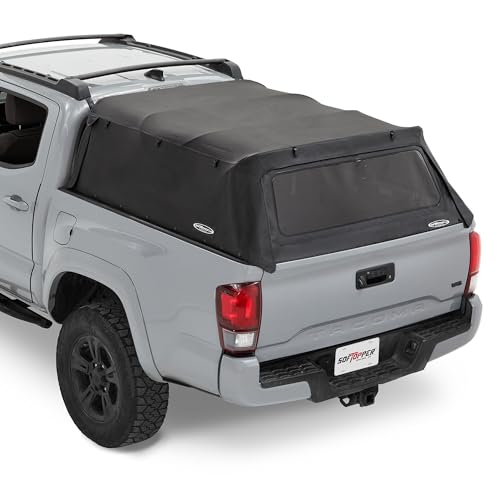
Truck Bed Topper Camper: The Ultimate Overland Shelter
Transform your pickup into a nimble adventure rig. Learn how a truck bed topper camper combines sleeping quarters, gear storage, and off-grid freedom in one versatile package.
EXPLORE THE GUIDEWhy a truck bed topper camper? Unlike a traditional slide-in truck camper, a topper camper (also called a camper shell or canopy) keeps your vehicle's center of gravity low while providing a weatherproof, lockable living space. It's the sweet spot between a rooftop tent and a full RV—perfect for weekend warriors and long-haul overlanders alike.
What Is a Truck Bed Topper Camper?
A truck bed topper camper is a lightweight, enclosed structure that mounts directly onto your pickup's bed rails. Unlike a slide-in truck camper, it doesn't extend over the cab, which means better fuel economy and easier maneuverability on tight trails. Modern topper campers range from simple fiberglass shells to feature-rich tents for the back of pickup trucks with integrated sleeping platforms, ventilation, and even heating options.
For many adventurers, this setup is the Goldilocks solution: more secure than a ground tent, more agile than a full RV, and far more practical than a truck bed topper camper that lacks dedicated camping features. If you're transitioning from a tent for the back of a SUV, a topper camper offers a logical next step in comfort and convenience.
Types of Truck Bed Topper Campers
The market breaks down into four broad tiers. Use this table to understand the trade-offs at each level without getting distracted by fluctuating prices.
| Tier | Typical Construction | Best For | Key Features |
|---|---|---|---|
| Entry-Level | Aluminum frame + vinyl or basic fiberglass | Weekend campers, occasional use | Simple lift-up windows, basic weather sealing, minimal insulation |
| Mid-Range | Fiberglass or reinforced composite | Regular overlanders, 3-season campers | Insulated roof, sliding windows, roof rails, interior lighting prep |
| Premium | Hand-laid fiberglass, honeycomb core | Full-time travelers, extreme weather | Dual-pane windows, forced-air vents, integrated solar ports, carpeted interior |
| Luxury | Custom composite, carbon fiber options | Expedition rigs, luxury overlanding | Built-in heater, lithium power system, roof fan, modular interior |
Mid-range models usually offer the best balance of durability and weight. They often include features like heaters for a tent compatibility, which can be adapted for topper use. If you plan to camp in cold weather, consider upgrading to a premium shell or adding a portable wood stove tent heater with proper venting.
Pros and Cons of Topper Campers
✅ Advantages
- Low center of gravity for confident off-road driving
- Better fuel economy than slide-in campers or RVs
- Lockable, weatherproof storage for gear
- Quick setup—just park and sleep
- Fits in standard garages and parking spots
- Can be removed when not needed (with help)
- Works with existing tents that go in the back of a pickup
⚠️ Limitations
- Limited headroom compared to full campers
- Requires a comfortable sleeping platform or camping beds for tents
- Less insulation than hard-sided RVs
- May need custom wiring for power
- Not ideal for extreme winter without modification
- Resale value varies by brand and condition
Essential Features to Look For
🌬️ Ventilation
Cross-flow windows and roof vents prevent condensation. Look for screened openings and optional 12-volt LED strip lights for RV exterior to illuminate your camp.
🛏️ Sleeping Platform
A raised platform creates storage underneath and a flat sleeping surface. Pair it with a memory foam camping mattress or a self-inflating camping mattress for best comfort.
🔌 Power & Lighting
Pre-wired shells allow you to add portable power stations or solar chargers for camping. Many campers use two-way radios for communication in remote areas.
❄️ Insulation & Heating
For cold-weather trips, add a heater for camping in a tent in the winter or a safe battery-operated tent heater. Insulated shells retain warmth far better.
How to Choose the Right Topper Camper
Start by measuring your truck bed precisely. Topper campers are model-specific; a shell for a 6-foot bed won't fit a 5.5-foot bed. Next, decide whether you need a standard cab-height shell or a high-rise model for extra headroom. High-rise shells are ideal if you plan to sit up inside or use a camping tent with toilet as a separate privacy area.
Consider your camping style. If you frequently camp in rainy regions, prioritize a shell with excellent weather stripping and a pop-up screen tent with rain flaps for extra living space. For winter use, look for a model compatible with 4-season tent with stove jack accessories or one that can accommodate a portable wood stove.
Don't overlook the importance of a comfortable sleeping setup. A sleeping bag temperature guide helps you match your bag to the climate. Many topper campers use a 3-season sleeping bag for versatility, switching to a zero degrees sleeping bag for winter trips. A sleeping bag liner adds warmth and keeps your bag clean.
Setup Tips for Your Topper Camper
Setting up camp is straightforward, but a few tricks make it even easier. First, create a dedicated "camp box" with your cooking utensils for camping, camping cooking pot set, and mess kit for camping. This box stays in the truck bed, ready to go.
For sleeping, a lightweight camp cot or a camping bed for tents can elevate you off the cold truck bed. If you prefer an air mattress, a blow-up camping mattress or a double blow-up bed with built-in pump works well—just ensure it fits your bed dimensions.
Privacy and hygiene are easy with a pop-up privacy tent instant portable outdoor shower tent. For longer trips, consider a portable toilet and tent setup. And always pack a camping first aid kit along with knowledge from wilderness first aid resources.