Sleeping Bags for Adults: The Ultimate Buying Guide
Discover how to choose the right sleeping bag for your body type, camping style, and climate. We break down temperature ratings, insulation types, and shapes to help you sleep comfortably outdoors.
START LEARNINGWhy Trust This Guide: A sleeping bag is one of the most important investments for any camper. A poor choice can ruin your trip with cold, restless nights. Our guide simplifies the technical jargon so you can make a confident, informed decision.
Why the Right Adult Sleeping Bag Matters
For adults, a sleeping bag is more than just bedding—it is your primary defense against the cold, a critical factor in getting restorative sleep after a long day of hiking or exploring. Unlike children, adults have fully developed bodies with specific thermal needs, and a bag that works for a child will not provide adequate insulation or space for an adult. The wrong bag can lead to shivering nights, fatigue, and even dangerous conditions like hypothermia. Whether you are a weekend car camper or a serious backpacker, understanding the key features of adult sleeping bags is essential.
Key Considerations When Choosing a Sleeping Bag for Adults
1. Temperature Rating: The Most Critical Spec
The temperature rating indicates the lowest temperature at which a bag is designed to keep an average adult warm. However, these ratings are not standardized across all brands. The EN 13537 and ISO 23537 standards provide a more reliable benchmark, offering a "Comfort" rating (for an average adult woman) and a "Lower Limit" rating (for an average adult man). As an adult, you should prioritize the Comfort rating if you sleep cold, or the Lower Limit if you sleep warm. Always choose a bag rated for temperatures 10–15°F lower than the coldest conditions you expect to encounter for a safety margin.
2. Insulation Type: Down vs. Synthetic
This is the biggest decision you will make. Down insulation (from ducks or geese) offers the best warmth-to-weight ratio and is highly compressible, making it ideal for backpacking. However, it loses its insulating ability when wet and is more expensive. Synthetic insulation (like PrimaLoft or Climashield) is more affordable, performs better in damp conditions, and is hypoallergenic, but it is heavier and bulkier. For a detailed comparison, see our guide on 3-season sleeping bags.
3. Shape: Mummy, Rectangular, or Semi-Rectangular
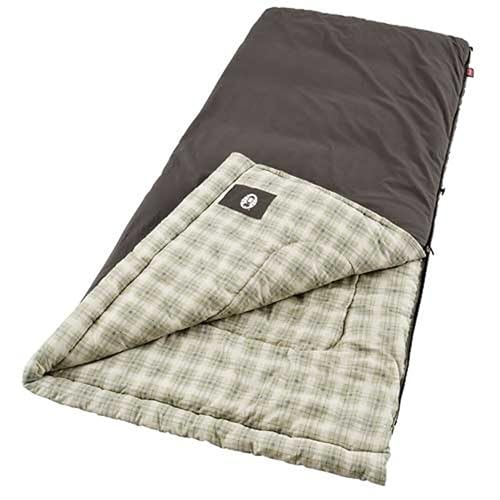
Mummy bags are tapered to hug your body, maximizing thermal efficiency and minimizing weight—perfect for backpacking. Rectangular bags offer more room to move and can often be unzipped to use as a quilt, making them great for car camping and family trips. Semi-rectangular bags are a hybrid, offering a balance of comfort and efficiency. Your choice depends on whether you prioritize packability or spaciousness.
4. Size and Fit
A bag that is too large will have excess air space that your body must heat, reducing efficiency. A bag that is too small will compress the insulation and be uncomfortable. Look for bags that offer different lengths (e.g., short, regular, long) and widths. Many manufacturers also offer women-specific bags, which are shorter and have extra insulation in the core and footbox, though these can also fit smaller-framed men.
Feature Deep Dive: What Else to Look For
Fill Power and Weight
For down bags, fill power (e.g., 600, 800, 900+) indicates the quality and loft of the down. Higher fill power means more warmth for less weight. For synthetic bags, the type and amount of insulation (measured in grams per square meter, or GSM) determine warmth. Entry-level bags often use lower fill power down or basic synthetic fills, while premium expedition bags use high fill power down or advanced synthetic fibers.
Shell and Lining Fabrics
The shell fabric protects the insulation. A durable water repellent (DWR) finish helps shed condensation and light moisture. Lining fabrics should be soft and breathable. Common materials include nylon and polyester. Ripstop nylon is lightweight and tear-resistant, often found on high-end bags.
Zippers and Draft Tubes
A snag-free zipper with a draft tube (a tube of fabric that runs alongside the zipper) is crucial for preventing cold spots. Look for zippers that can be zipped together with a partner's bag if you want a double bag. Anti-snag zipper guards are a hallmark of quality construction.
Additional Features
Other features to consider include a draft collar (which seals around your neck), a hood with a drawstring (to trap heat around your head), internal pockets for storing small items, and a stuff sack or storage bag. Some bags come with a temperature guide to help you choose the right model.
Matching Your Bag to Your Adventure
For Backpacking and Hiking
Weight and packability are paramount. A mummy-style bag with high fill power down or a premium synthetic fill is your best bet. Look for a bag that weighs under 3 pounds and compresses to the size of a loaf of bread. Explore our guide on sleeping bags for hiking for more specific recommendations.
For Car Camping and Family Trips
Comfort and durability take priority over weight. A rectangular or semi-rectangular bag with a durable shell and roomy interior is ideal. You can also consider a bag that can be zipped together with another to form a double. For more comfort, pair your bag with a self-inflating sleeping pad.
For Winter and Cold Weather
You will need a bag with a low temperature rating, often 0°F or below. These bags are heavily insulated, often with a combination of down and synthetic layers, and feature draft collars and hoods. For extreme conditions, consider a winter sleeping bag designed for sub-zero temperatures. Always test your bag in a safe environment before relying on it in the backcountry.
How to Care for Your Sleeping Bag
Proper care extends the life of your investment. Always store your bag loosely in a large cotton or mesh storage sack, never in its stuff sack. Clean your bag according to the manufacturer's instructions—usually a front-loading washing machine on a gentle cycle with a special down or synthetic cleaner. Avoid dry cleaning, which can damage the insulation. For more tips, see our camping trip equipment list.
Common Mistakes When Buying a Sleeping Bag
Many adults buy a bag that is too large, thinking it will be more comfortable, but this creates dead air space that your body must heat. Others choose a bag based solely on the lowest temperature rating without considering the comfort rating. Another common mistake is neglecting the sleeping pad—a bag's insulation is compressed under your body, so a pad with a high R-value is essential for warmth from the ground. Finally, always check the temperature guide to understand the ratings.
Frequently Asked Questions
What is the best sleeping bag for adults?
The best bag depends on your specific needs: climate, camping style, and budget. For backpacking, a high-fill-power down mummy bag is often the top choice. For car camping, a roomy rectangular synthetic bag is more comfortable and affordable. There is no single "best" bag for everyone.
How do I choose the right temperature rating?
Choose a bag with a comfort rating at least 10°F lower than the lowest temperature you expect to experience. If you sleep cold, add another 10°F margin. Always err on the side of a warmer bag.
Can I use a sleeping bag for two people?
Some bags are designed to be zipped together to form a double. Alternatively, you can buy a dedicated double sleeping bag. However, for backpacking, two separate bags are more versatile and lighter.
How often should I replace my sleeping bag?
With proper care, a high-quality sleeping bag can last a decade or more. Synthetic bags may lose loft over time, while down bags can be re-lofted with proper cleaning. Replace your bag when it no longer keeps you warm or the shell is damaged beyond repair.
Ready to Find Your Perfect Bag?
Now that you understand the key features, you are ready to explore our recommended products. We have curated a selection of top-rated sleeping bags for adults across different categories to help you get a comfortable night's sleep under the stars.