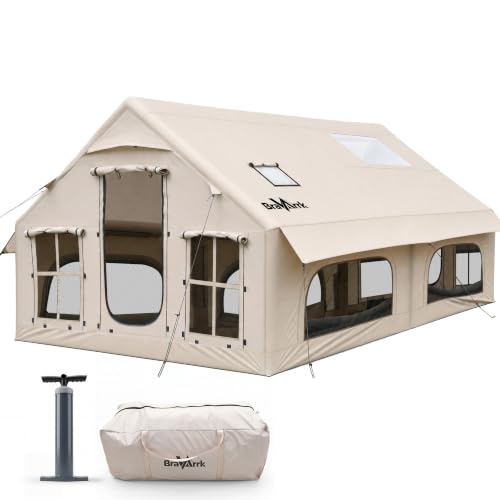
Inflatable Tents for Sale: The Complete Buyer's Guide
Discover how air beam technology is revolutionizing camping. Learn about setup, durability, weather resistance, and find the perfect inflatable tent for your next adventure.
SEE TOP RECOMMENDATIONSWhy consider an inflatable tent? Inflatable tents (also called air tents or air beam tents) replace traditional metal or fiberglass poles with inflatable tubes. This design offers faster setup, often in under 5 minutes, and eliminates the frustration of broken or lost poles. They are an excellent choice for families, car campers, and anyone who values convenience without sacrificing interior space.
How Do Inflatable Tents Work?
Instead of rigid poles, inflatable tents use durable TPU or PVC air beams that are inflated using a manual pump or an electric pump. These beams form the structural skeleton of the tent. Once inflated to the recommended pressure (usually around 7–12 PSI), the beams become rigid and provide excellent stability. The outer flysheet and inner tent are attached to these beams.
Most models feature a single inflation point, meaning you connect the pump once and all beams inflate simultaneously. Deflation is just as quick—simply open the valves and roll the tent to push air out. This makes easy set up tents a favorite among campers who want more time enjoying the outdoors and less time struggling with poles.
Key Benefits of Inflatable Tents
✅ Advantages
- Fast setup: Typically 3–10 minutes from bag to fully pitched.
- No loose parts: No poles to lose, bend, or break.
- Spacious interiors: Air beams take up less bulk than poles, maximizing living space.
- Stable in wind: When properly guyed out, air beams flex rather than snap.
- Beginner-friendly: Ideal for first-time camping tips and families.
⚠️ Considerations
- Weight and packed size: Generally bulkier and heavier than backpacking tents.
- Pump dependency: A reliable pump is essential; a puncture can be a major issue.
- Higher initial investment: Quality inflatable tents often sit in the mid-range to premium tier.
- Cold weather performance: Air pressure can drop in freezing temperatures, requiring re-inflation.
What to Look For When Buying an Inflatable Tent
Not all inflatable tents are created equal. Here are the critical factors to evaluate before you buy:
| Feature | What to Look For |
|---|---|
| Air Beam Material | TPU (thermoplastic polyurethane) is more durable and puncture-resistant than PVC. Look for reinforced seams and a high denier rating. |
| Inflation System | A single-point inflation valve with a double-seal cap is ideal. Some premium models include a pressure relief valve to prevent over-inflation. |
| Pump Included | Most tents come with a manual hand or foot pump. Electric pumps are a worthwhile upgrade for frequent campers. |
| Weather Resistance | Check the hydrostatic head rating (e.g., 3000mm+ for reliable rain protection). Taped seams and a full-coverage flysheet are essential. |
| Capacity & Layout | Consider how many people will sleep in the tent. Models range from 2-person to 10-person and beyond. Look for blackout bedrooms or room dividers for privacy. |
| Warranty & Repairs | A good warranty (2+ years) and an included repair kit are signs of a quality brand. Some manufacturers offer replacement air beams. |
Popular Types of Inflatable Tents
Inflatable tents come in several configurations to suit different camping styles:
- Family Inflatable Tents: Large, multi-room tents often with blackout bedrooms and a spacious living area. Ideal for camping gear for families.
- Compact Inflatable Tents: 2–4 person models that pack smaller and are easier to transport. Great for couples or small groups.
- Inflatable Roof Top Tents: Mounted on vehicle roofs, these offer quick setup at campsites. See our guide to roof top tent for full size truck.
- Inflatable Tunnel Tents: Feature a long, tunnel-like shape with multiple sleeping pods. Excellent for group camping.
- Inflatable Dome Tents: A classic dome shape with air beams instead of poles. Stable and easy to pitch.
Setup & Maintenance Tips for Inflatable Tents
To get the most out of your inflatable tent, follow these best practices:
- Practice at home first: Inflate and pitch your tent in your backyard before your trip. This ensures you understand the pump and valve system.
- Choose a clean pitch site: Clear the area of sharp rocks, sticks, and debris. A groundsheet or footprint adds an extra layer of protection.
- Don't over-inflate: Inflate to the manufacturer's recommended PSI. Over-inflation can stress seams, especially in hot weather.
- Guy out properly: Even though air beams are stable, always secure all guy lines in windy conditions. This prevents the tent from flexing excessively.
- Clean and dry before storage: Wipe down the tent with a damp cloth and allow it to dry completely before packing. Store in a cool, dry place.
- Carry a repair kit: Most tents include patch material and glue. For air beam punctures, follow the manufacturer's repair instructions.
For more tips on camping in challenging conditions, see our guides on camping in a tent in the rain and camping in the winter in a tent.
Frequently Asked Questions About Inflatable Tents
Are inflatable tents as durable as traditional pole tents?
Yes, when made from high-quality materials. Modern TPU air beams are extremely durable and can withstand significant wind and rain. However, they are not puncture-proof, so care should be taken to avoid sharp objects. Many high-end inflatable tents come with multi-year warranties.
How long does it take to set up an inflatable tent?
Most inflatable tents can be fully pitched in 3–10 minutes, depending on the size and the pump used. This is significantly faster than traditional pole tents of comparable size. Deflation and packing typically take a similar amount of time.
Can inflatable tents be used in cold weather?
Yes, but with caveats. Air pressure decreases in cold temperatures, so you may need to re-inflate the beams. Also, ensure the tent is rated for the conditions (e.g., a 4-season inflatable tent). For winter camping, consider a tent with a stove jack, such as those discussed in our hot tent camping guide.
What happens if an air beam gets punctured?
Most inflatable tents come with a repair kit that includes patches and adhesive. Small punctures can be patched in the field. Some manufacturers sell replacement air beams. If the puncture is large or in a critical location, the beam may need to be replaced. Always carry a repair kit and know how to use it.
Are inflatable tents good for backpacking?
Generally, no. Inflatable tents are heavier and bulkier than traditional backpacking tents. They are best suited for car camping, family camping, or camping where you don't have to carry the tent long distances. For backpacking, look for lightweight pole tents or ultralight options.
Ready to Experience the Ease of an Inflatable Tent?
Browse our top recommendations below and find the perfect inflatable tent for your next camping adventure.
View Top Picks