Camping Trip Equipment List: The Ultimate Gear Guide
Everything you need for a successful camping trip. From shelter and sleep systems to cooking gear and safety essentials, this comprehensive guide will help you pack with confidence.
Why This List Matters: A well-prepared camper is a happy camper. Whether you're planning your first overnight trip or your fiftieth backcountry adventure, having the right equipment makes all the difference. This guide breaks down every essential category so you can focus on enjoying the outdoors.
Shelter & Sleep Systems
Your shelter and sleep system is the foundation of any camping trip. A good night's rest depends on choosing the right tent, sleeping bag, and sleeping pad for your specific needs. For those just starting out, understanding how to choose the right tent size is crucial for comfort and portability.
Camping Tents
Your tent is your home away from home. Consider capacity, season rating, and setup ease. Three-season tents work for most conditions, while winter tents provide extra insulation for cold-weather adventures.
- Capacity: Solo, 2-person, 4-person, or family size
- Season rating: 3-season for most trips
- Setup type: Instant, dome, or cabin style
- Weather resistance: Rainfly and waterproof coating
Sleeping Bags
Temperature ratings are critical. Choose a bag rated 10-15°F below the lowest expected temperature. Down bags offer superior warmth-to-weight ratios, while synthetic bags perform better in wet conditions.
- Temperature rating: Match to expected conditions
- Fill type: Down or synthetic
- Shape: Mummy, rectangular, or semi-rectangular
- For winter trips, consider winter sleeping bags with extra insulation
Sleeping Pads
Sleeping pads provide insulation from the cold ground and cushioning for comfort. R-value measures insulation—higher values mean warmer sleep. Inflatable pads pack small but require careful handling.
- R-value: 2-3 for summer, 4-5 for winter
- Type: Air pad, self-inflating, or closed-cell foam
- Weight and packed size for backpacking
- Consider a self-inflating sleeping pad for convenience
Cooking & Kitchen Equipment
Camp cooking is one of the great joys of outdoor adventure. Whether you're simmering a stew over a campfire or boiling water on a portable stove, having the right kitchen gear makes meal preparation enjoyable. A complete camping and cooking gear setup includes a stove, cookware, utensils, and cleanup supplies.
Camping Stoves
Stoves provide reliable cooking heat when fires are impractical or banned. Propane and butane models are easy to use, while multi-fuel stoves offer versatility for international travel or extreme conditions.
- Fuel type: Propane, butane, white gas, or multi-fuel
- Burners: Single or double for larger groups
- For simple trips, a single-burner propane stove works well
- For families, a 2-burner camping stove offers more capacity
Cookware & Utensils
Nesting cookware sets save space and weight. Look for pots and pans with heat-resistant handles and lids that double as strainers. Don't forget a good knife, cutting board, and serving utensils.
- Nesting pots and pans
- Heat-resistant handles and lids
- Utensils: Spatula, spoon, tongs, knife
- A camping cooking pot set covers most needs
Coolers & Food Storage
Keep perishables fresh and drinks cold with a quality cooler. Rotomolded coolers offer superior ice retention but are heavier. Soft-sided coolers are lighter and easier to carry for short trips.
- Ice retention: Check manufacturer ratings
- Size: Match to group size and trip length
- Portability: Handles, wheels, or backpack straps
- Consider a portable fridge for extended trips
Lighting, Power & Technology
Modern camping technology enhances safety and comfort. From lanterns that illuminate your campsite to power banks that keep your devices charged, the right tech gear makes a difference. For off-grid adventures, camping power banks and solar chargers are invaluable.
Lanterns & Flashlights
Reliable lighting is non-negotiable. LED lanterns provide area illumination, while headlamps keep your hands free for tasks. Always bring backup batteries or a rechargeable option.
- LED lanterns for campsite illumination
- Headlamps for hands-free tasks
- Flashlights for emergencies
- Extra batteries or rechargeable models
Power Stations & Chargers
Portable power stations can run small appliances, charge devices, and even power CPAP machines. Solar panels extend your off-grid capabilities. For extended trips, a portable power station is a game-changer.
- Capacity: Measured in watt-hours (Wh)
- Output: AC, USB, and 12V DC ports
- Solar compatibility for recharging
- Consider a camping generator for heavy power needs
Navigation & Communication
Stay found and stay connected. Handheld GPS devices work where smartphones fail. Satellite communicators provide emergency SOS capabilities in remote areas. For safety, consider a satellite communicator.
- Handheld GPS or smartphone with offline maps
- Satellite communicator for remote areas
- Two-way radios for group communication
- Emergency beacon (PLB) for worst-case scenarios
Furniture & Comfort
Camping doesn't mean roughing it. Comfortable furniture transforms your campsite into a relaxing retreat. From chairs to tables to hammocks, these items make downtime enjoyable. For those who prioritize comfort, high-end camping gear offers premium options.
Camping Chairs
A good camp chair supports your back and provides a comfortable seat around the fire. Look for sturdy frames, cup holders, and a carry bag. For lounging, consider a folding rocking chair.
- Weight capacity and frame durability
- Cup holders and side pockets
- Carry bag for transport
- For backpacking, an ultra-lightweight camping chair
Camping Tables
Tables provide a clean, flat surface for cooking, eating, and organizing gear. Folding tables pack flat and set up quickly. Adjustable-height models offer versatility for different activities.
- Folding design for portability
- Adjustable height options
- Sturdy surface for cooking and eating
- A portable camping table is a worthwhile investment
Hammocks & Cots
Hammocks offer a lightweight alternative to tents for solo campers. Camping cots provide off-the-ground comfort for car campers. Both options can dramatically improve sleep quality.
- Hammock with bug net and rain fly
- Camping cot with mattress pad
- Tree straps and suspension system
- Consider tent cots for camping for added comfort
Safety & Emergency Essentials
Safety should never be compromised. A well-stocked first aid kit, fire safety gear, and emergency communication devices are essential. Understanding campfire safety rules and knowing how to extinguish a campfire properly prevents wildfires and injuries.
First Aid Kit
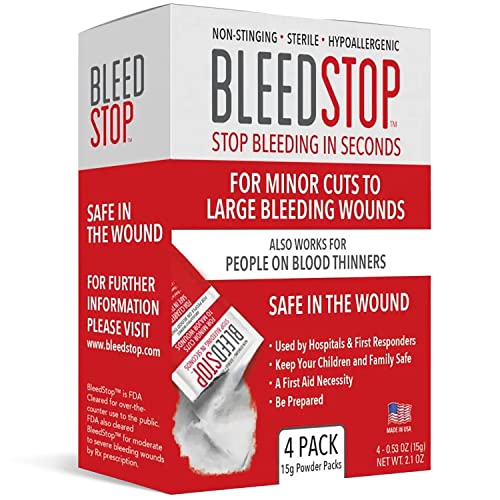
Every camping trip requires a comprehensive first aid kit. Include bandages, antiseptic, pain relievers, and any personal medications. For remote trips, take a wilderness first aid course.
- Bandages, gauze, and medical tape
- Antiseptic wipes and ointment
- Pain relievers and antihistamines
- Personal medications and prescriptions
Fire Safety Gear
Fire safety is paramount. Bring a fire extinguisher, fire starters, and a shovel for extinguishing campfires. Always check for fire ban restrictions before your trip.
- Fire extinguisher or fire blanket
- Fire starters for reliable ignition
- Shovel and bucket for extinguishing
- Know the campfire regulations for your area
Emergency Communication
When cell service fails, emergency communication devices save lives. Satellite messengers and personal locator beacons (PLBs) provide SOS capabilities. Learn emergency SOS signals for worst-case scenarios.
- Satellite messenger or PLB
- Two-way radios for group communication
- Whistle and signal mirror
- Know what to do if lost
Ready to Gear Up?
Now that you have your complete camping trip equipment list, it's time to start gathering your gear. Explore our recommended products below to find the best options for your adventure.
Frequently Asked Questions
What is the most important piece of camping equipment?
Your shelter and sleep system are the most critical. A reliable tent, appropriate sleeping bag, and insulating sleeping pad ensure you rest well and stay warm, which is essential for safety and enjoyment. Without proper sleep, even the most beautiful destination can feel miserable.
How do I choose the right sleeping bag for my trip?
Match the temperature rating to the lowest expected temperature, minus 10-15°F for safety. Consider fill type (down vs. synthetic), shape (mummy vs. rectangular), and packed size. For winter camping, look for bags rated well below freezing. Check our sleeping bag temperature guide for detailed recommendations.
Do I need a camping stove or can I just cook over a fire?
Both have their place. Campfires are great for ambiance and certain types of cooking, but stoves provide reliable, controllable heat and work during fire bans. For backpacking, a lightweight stove is essential. For car camping, bringing both gives you flexibility.
What safety equipment should I never leave behind?
Always bring a first aid kit, fire extinguisher or fire blanket, a reliable light source (headlamp plus backup), and emergency communication (satellite messenger or PLB for remote areas). Also, know the emergency preparedness basics and leave a trip plan with someone at home.
How can I make my camping trip more comfortable?
Invest in a quality sleeping pad with a high R-value, bring a comfortable camp chair, and consider a camping table for food prep and dining. A good cooler keeps food fresh, and a power station keeps devices charged. Small comforts add up to a much more enjoyable experience.
Related Guides
For more detailed information on specific gear categories, explore these related guides:
- Essential Items for Camping – A broader look at must-have gear
- Camping Trip Supply List – Supplies beyond equipment
- What to Bring on a Camping Trip – Comprehensive packing advice
- Things You Need When You Go Camping – Beginner-friendly checklist
- First Time Camping Tips – Advice for new campers