
Zero Degrees Sleeping Bag: Your Ultimate Guide to Cold Weather Comfort
Everything you need to know about choosing, using, and caring for a 0-degree sleeping bag. Stay warm and sleep soundly even in freezing temperatures.
VIEW TOP PICKSWhen the temperature drops, a standard sleeping bag simply won't cut it. A zero degrees sleeping bag is a specialized piece of cold-weather camping gear designed to keep you warm in temperatures approaching 0°F (-18°C). Whether you're a winter camping enthusiast, a high-altitude backpacker, or someone who simply sleeps cold, understanding how these bags work is essential for a safe and comfortable outdoor experience.
In this comprehensive guide, we'll walk you through everything you need to know about zero-degree sleeping bags. From temperature ratings and insulation types to fit, features, and maintenance, you'll gain the knowledge to make an informed decision. If you're new to cold-weather camping, you might also want to explore our winter camping guide for a broader overview of essential skills and gear.
Quick Tip: The "zero degree" rating refers to the lower limit of comfort, not the comfort temperature. Most sleepers will feel comfortable in a 0°F bag when the outside temperature is around 10-20°F (-12 to -7°C), depending on factors like clothing, sleeping pad R-value, and personal metabolism.
What Exactly Is a Zero Degree Sleeping Bag?
A zero-degree sleeping bag is rated to keep an average adult male warm at temperatures as low as 0°F (-18°C). This rating is part of the EN 13537 or ISO 23537 temperature rating system, which provides standardized metrics: Comfort, Limit, and Extreme. For a 0°F bag, the "Limit" rating is typically around 0°F, meaning it's the lowest temperature at which a standard man can sleep comfortably. The "Comfort" rating, more relevant for women and cold sleepers, is usually 10-15°F higher.
These bags are significantly bulkier and heavier than their 3-season counterparts, but they are indispensable for winter sleeping bags and high-altitude adventures. They are constructed with advanced insulation, draft collars, and often a mummy shape to minimize dead space and maximize heat retention.
Down vs. Synthetic Insulation: Which Is Right for You?
The two primary insulation types for zero-degree bags are down and synthetic. Each has distinct advantages and disadvantages, and your choice will depend on your specific needs and camping style.
Down Insulation
Down is the gold standard for cold-weather sleeping bags due to its exceptional warmth-to-weight ratio and compressibility. A high-quality down bag with a fill power of 800+ will be lighter and pack smaller than a comparable synthetic bag. However, down loses its insulating properties when wet, and it's more expensive.
- Pros: Lightweight, highly compressible, excellent warmth-to-weight ratio, durable if cared for properly.
- Cons: Expensive, loses insulation when wet, requires careful cleaning and storage.
- Best for: Backpackers, mountaineers, and those who prioritize packability and weight savings.
Synthetic Insulation
Synthetic bags, typically filled with polyester fibers, are more affordable and perform better in damp conditions. While they are heavier and bulkier than down, they retain some insulating ability even when wet, making them a safer choice for wet climates.
- Pros: Affordable, performs well when wet, easier to clean, hypoallergenic.
- Cons: Heavier, less compressible, shorter lifespan than down.
- Best for: Budget-conscious campers, wet environments, and those with down allergies.
If you're unsure which type suits your needs, consider reading our guide on 3-season sleeping bags to understand how insulation types differ across various temperature ranges.
Key Features of a Quality Zero Degree Sleeping Bag
Not all zero-degree bags are created equal. Here are the features that separate a top-tier bag from a mediocre one:
1. Temperature Rating and Standards
Always look for bags tested to the EN 13537 or ISO 23537 standard. This ensures the rating is based on standardized testing rather than marketing claims. Remember that the "Limit" rating is for an average man, while the "Comfort" rating is more relevant for women and cold sleepers.
2. Shape and Fit
Most zero-degree bags are mummy-shaped to minimize air space and maximize heat retention. A snug fit is crucial—if the bag is too large, your body has to work harder to heat the extra space. However, it shouldn't be so tight that it restricts movement or compresses the insulation.
3. Draft Collars and Tubes
A draft collar around the neck and a draft tube along the zipper are essential for preventing cold air from entering the bag. These features are often overlooked but make a significant difference in warmth.
4. Hood and Face Opening
A well-designed hood should cinch down to cover your head and trap heat, while the face opening should be adjustable to prevent condensation from your breath from wetting the insulation.
5. Zipper Quality
A durable, snag-free zipper is a must. Many high-end bags feature anti-snag zipper guards and two-way zippers for ventilation.
6. Shell and Lining Fabric
The shell fabric should be durable and water-resistant, while the lining should be soft and breathable. Ripstop nylon and polyester are common choices.
7. Storage and Loft
A quality bag should come with a storage sack (for long-term storage) and a stuff sack (for transport). Proper storage is crucial to maintain loft and insulation performance.
How to Choose the Perfect Zero Degree Sleeping Bag
Choosing the right bag involves assessing your specific needs. Consider the following factors:
Your Sleeping Style
Are you a cold sleeper or a warm sleeper? If you tend to sleep cold, you may want a bag rated for lower temperatures or one with extra insulation. Conversely, if you sleep warm, a standard 0°F bag might be overkill.
Your Camping Environment
Will you be camping in dry cold or wet cold? For wet conditions, a synthetic bag is a safer bet. For dry, cold environments, down is superior.
Your Pack Size and Weight Limits
If you're backpacking, weight and packability are critical. Down bags win here. If you're car camping, you can afford the extra bulk of a synthetic bag.
Your Budget
Zero-degree bags range from entry-level to luxury. Down bags are generally more expensive, but they last longer if cared for properly. Synthetic bags are more affordable but may need replacement sooner.
For those looking for a more versatile option, you might also consider a 20-degree sleeping bag for milder conditions or a sub-zero sleeping bag for extreme cold.
Understanding Temperature Ratings: What Does "Zero Degrees" Really Mean?
The temperature rating on a sleeping bag is not a guarantee of comfort. It's a guideline based on standardized testing. Here's a breakdown of the EN 13537/ISO 23537 ratings:
| Rating | Description | Who It's For |
|---|---|---|
| Comfort | The temperature at which a standard woman can sleep comfortably. | Women, cold sleepers, and those who want extra warmth. |
| Limit | The temperature at which a standard man can sleep comfortably. | Average men and warm sleepers. |
| Extreme | The temperature at which a standard woman can survive (but not necessarily sleep comfortably). | Emergency situations only. |
For a zero-degree bag, the Limit rating is typically around 0°F. However, factors like your clothing, sleeping pad R-value, hydration, and calorie intake all affect how warm you'll actually be. Always err on the side of caution and choose a bag rated for lower temperatures than you expect to encounter.
Tips for Staying Warm in a Zero Degree Sleeping Bag
Even the best bag won't keep you warm if you don't use it correctly. Here are some tips to maximize warmth:
- Use a quality sleeping pad: A bag only insulates from above. You need a pad with a high R-value to insulate from the cold ground. Consider an ultralight camping sleeping pad for backpacking or a self-inflating camping mattress for car camping.
- Wear dry, clean clothes: Moisture is the enemy of warmth. Sleep in dry base layers and avoid wearing the clothes you wore during the day.
- Eat a snack before bed: Your body generates heat by digesting food. A high-calorie snack before bed can help keep you warm.
- Do light exercise: A few minutes of light exercise (like jumping jacks) before bed can raise your core temperature.
- Use a liner: A silk sleeping bag liner can add several degrees of warmth and keep your bag clean.
- Ventilate if you get too hot: If you start to sweat, open the zipper or use a two-way zipper to vent excess heat. Sweat can dampen the insulation and reduce its effectiveness.
- Keep your bag dry: Use a waterproof stuff sack or a trash bag inside your backpack to protect your bag from rain and moisture.
How to Care for Your Zero Degree Sleeping Bag
Proper care extends the life of your bag and maintains its insulating performance. Here are some best practices:
- Store it loosely: Never store your bag compressed. Use a large cotton or mesh storage sack to allow the insulation to loft.
- Clean it properly: Follow the manufacturer's instructions. Down bags require special down wash, while synthetic bags can be washed with a gentle detergent. Avoid fabric softeners and bleach.
- Dry it thoroughly: Tumble dry on low heat with clean tennis balls to break up clumps and restore loft. Never store a damp bag.
- Use a liner: A liner keeps your bag clean and reduces the frequency of washing.
- Repair tears promptly: Use a repair patch or tape to fix small tears before they get worse.
Frequently Asked Questions About Zero Degree Sleeping Bags
Can I use a zero degree sleeping bag in summer?
You can, but you'll likely be too warm. A 0°F bag is designed for cold weather. In summer, you'd need to sleep with the bag unzipped or use it as a quilt. For summer camping, a 3-season sleeping bag or a lightweight sleeping bag for camping is more appropriate.
What is the difference between a 0-degree and a 20-degree sleeping bag?
A 0-degree bag is rated for much colder temperatures than a 20-degree sleeping bag. The 0-degree bag will have more insulation, be bulkier, and heavier. It's designed for winter and high-altitude camping, while a 20-degree bag is suitable for spring, summer, and fall in most climates.
How do I know if a zero degree sleeping bag is right for me?
If you plan to camp in temperatures near or below freezing, a 0°F bag is a good choice. If you sleep cold, you may want a sub-zero sleeping bag. If you're a warm sleeper or camp in milder conditions, a 20°F or 30°F bag might suffice. Consider your typical camping environment and personal comfort level.
Can I wash my down zero degree sleeping bag at home?
Yes, but you need to be careful. Use a front-loading washing machine (top-loaders can damage the insulation) and a gentle, down-specific detergent. Tumble dry on low heat with clean tennis balls to restore loft. Never dry clean a down bag, as the chemicals can strip the natural oils from the feathers.
What is the best sleeping pad for a zero degree sleeping bag?
You need a pad with a high R-value (at least 4.0, ideally 5.0 or higher) to insulate you from the cold ground. For backpacking, an ultralight camping sleeping pad with a high R-value is ideal. For car camping, a self-inflating camping mattress or an air mattress for camping with a high R-value works well.
Are zero degree sleeping bags worth the investment?
If you're serious about cold-weather camping, absolutely. A quality 0°F bag can last for many years and is essential for safety and comfort in freezing temperatures. While they are a significant investment, the warmth and durability they provide make them worth it for frequent winter campers.
Final Thoughts: Sleeping Warm in the Cold
A zero degrees sleeping bag is a critical piece of gear for anyone venturing into cold environments. By understanding temperature ratings, insulation types, and key features, you can choose a bag that keeps you warm, safe, and comfortable. Remember to pair your bag with a high-R-value sleeping pad, dress appropriately, and care for your bag properly to ensure it lasts for many seasons.
Whether you're planning a winter backpacking trip or a cozy car camping adventure in the snow, investing in a quality 0°F bag is a decision you won't regret. Explore our recommended products below to find the perfect match for your needs.
Top Rated Zero Degree Sleeping Bags
⚠️ AFFILIATE DISCLOSURE: This website contains affiliate links. As an Amazon Associate, we earn from qualifying purchases. If you make a purchase through these links, we may receive a small commission at no additional cost to you. Read our full affiliate policy.
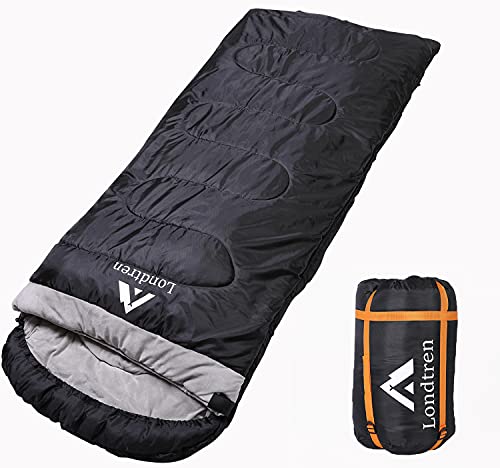
Londtren Large 0 Degree Sleeping Bags for Adults Cold Weather Sleeping Bag Camping Winter Below Zero 20 15 Flannel Big and Tall XXL

Coleman North Rim 0°F Sleeping Bag, Cold-Weather Mummy Sleep Sack

HiZYNICE Sleeping Bags for Adults XXL Cold Weather

RIOYALO 0 Degree Winter Sleeping Bags for Adults, Cold Weather Camping

Teton Celsius Regular, 0 Degree Sleeping Bag, All Weather Bag for Adults and Kids Camping Made Easy and Warm Stuff Sack Included
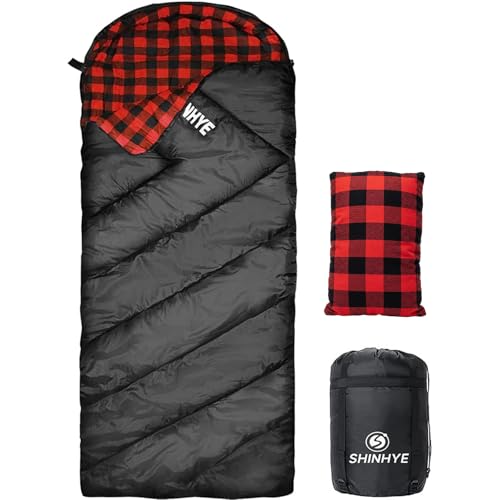
ShinHye 0 Degree Sleeping Bag for Adults - Cotton Flannel 4 Season Cold Weather Winter, XXL Big and Tall Camping Sleeping Bag with Compression Sack (Black1, 90"×35" Right Zip)

TETON Sports Celsius XXL, 0 Degree Sleeping Bag with Stuff Sack, Right Zipper, and SuperLoft Elite Material for Camping and Base Camp, Black
Disclaimer
Outdoor activities involve inherent risks. The information provided on CampLifeEssentials is for educational purposes only. We are not responsible for any injuries, losses, or damages resulting from the use of this information. Some content may use AI assistance. Always practice Leave No Trace principles and verify local regulations before camping. If you do not agree, please do not use this website. Read the full disclaimer.