Safe & Effective Heaters for Camping in a Tent in the Winter
Your comprehensive guide to staying warm, choosing the right portable heater, and mastering critical safety protocols for cold-weather tent camping.
VIEW RECOMMENDED HEATERSExtending your camping season into the winter months opens up a world of serene, snow-covered landscapes and starry, crisp nights. However, the challenge of staying warm inside your tent is the single biggest factor that makes or breaks the experience. Selecting the right heater for camping in a tent in the winter is not just about comfort—it's a critical safety decision. This guide cuts through the confusion, breaking down the pros and cons of propane, electric, and catalytic heaters, so you can make an informed choice and sleep soundly even when temperatures plummet.
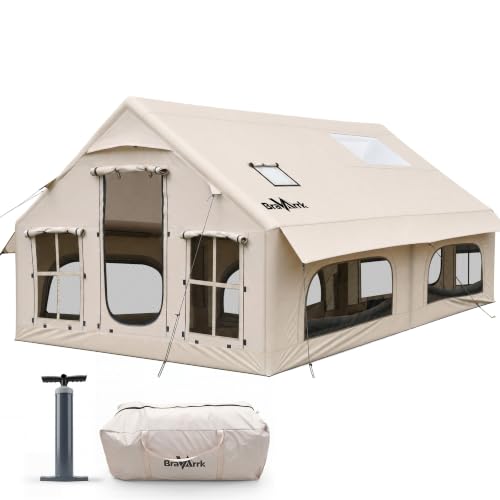
Before diving into specific heater types, it's essential to understand that no heater is a replacement for proper gear. Your first line of defense is always a high-quality, four-season camping tent and a sleeping bag rated for the expected low temperatures. We highly recommend reviewing our detailed winter camping gear guide to ensure your entire sleep system is dialed in. A heater should be the supplemental boost that makes changing clothes and relaxing in the tent enjoyable, not a crutch for inadequate insulation.
Types of Heaters for Winter Tent Camping
The market offers three primary categories of portable heaters suitable for tent use: propane, electric, and battery-operated/catalytic models. Each has a distinct set of advantages, ideal use-cases, and critical safety implications. Choosing the wrong type can lead to poor performance, condensation, or life-threatening carbon monoxide poisoning. We've analyzed each to help you determine the best fit for your camping style.
1. Propane Tent Heaters
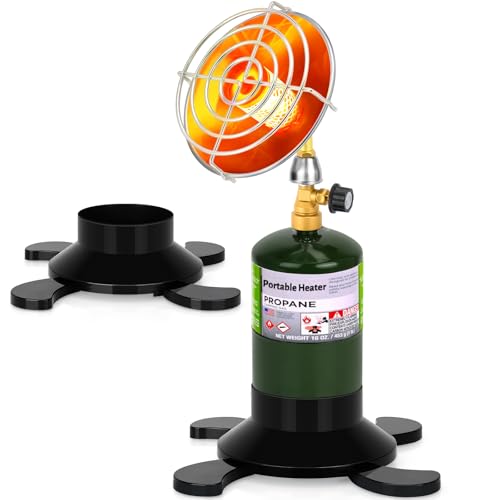
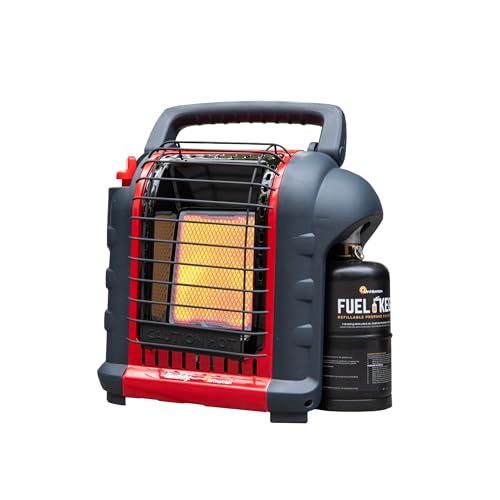
Propane heaters are the most popular and powerful option for true winter camping, capable of heating a large family tent even in extreme cold. Models like the Mr. Heater Buddy series are ubiquitous for a reason: they are portable, reliable, and push out significant BTUs. However, they are the most controversial option due to safety concerns, which we will address in detail. These heaters are a staple for those who enjoy winter camping in remote locations without electrical hookups.
Advantages
- High Heat Output: Typically 4,000 to 9,000 BTU, easily warming a 4-6 person tent.
- Portable & Off-Grid Ready: Uses small 1-pound canisters or can connect to a larger 20-pound tank with a hose.
- Fast & Effective: Warms up a cold tent in minutes, even below freezing.
Risks & Drawbacks
- Carbon Monoxide (CO) Risk: This is a deadly, odorless gas. Units must have an automatic low-oxygen shutoff sensor.
- Condensation: Burning propane releases moisture, which can lead to a damp tent interior.
- Fire Hazard: The heating element is extremely hot and can ignite sleeping bags or clothing.
For car camping where you can bring a full-size propane tank, a propane heater is an excellent choice, similar to how you'd choose a camping stove for high-output cooking. Always ensure you have a functioning carbon monoxide detector inside your tent.
2. Electric Tent Heaters
If you camp at established campgrounds with electric hookups, an electric space heater is unequivocally the safest and most convenient option. There is zero combustion, meaning no carbon monoxide and no added moisture. This makes them perfect for family trips where safety is paramount and for maintaining a dry, consistent warmth throughout the night. They pair perfectly with a comprehensive family camping checklist.
Advantages
- Zero Emissions: No CO, no fumes, completely safe for enclosed spaces.
- Dry Heat: No condensation, keeping your tent and gear dry.
- Quiet Operation: Typically quieter than the roar of a propane burner.
Risks & Drawbacks
- Requires Shore Power: Useless for backcountry or primitive camping unless you have a massive portable power station.
- Safety with Cords: A tripping hazard and requires careful placement away from water.
- Bulk and Weight: Ceramic tower heaters can be heavier and bulkier to pack.
When using an electric heater, it's vital to use a heavy-duty extension cord rated for the appliance's amperage, and always place the heater on a stable, non-flammable surface. This setup is a cornerstone of a comfortable glamping experience in the winter.
3. Battery-Powered & Catalytic Heaters
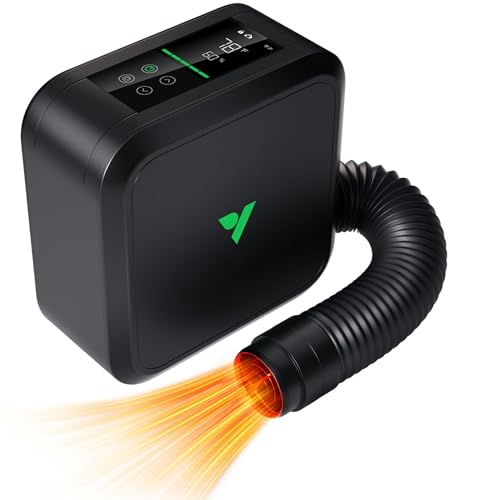
This category represents a newer frontier in tent heating, often using flameless catalytic combustion or running off high-capacity power banks. True battery-powered electric heaters still struggle to generate meaningful heat for a tent due to the immense power draw. However, catalytic heaters that use a chemical reaction are a viable, flameless option that are inherently safer than open-flame propane. Some campers integrate these with a battery and solar panel kit for a more sustainable off-grid setup, though their heat output remains modest at best, suitable for a small camping bed area rather than a whole tent.
Non-Negotiable Safety Rules for Tent Heaters
Carbon monoxide poisoning from camp heaters sends hundreds of people to the emergency room each year. These rules are not suggestions—they are essential for survival.
- Never leave a combustion heater on while sleeping. Use it to warm the tent before bed and in the morning, then turn it off.
- Always maintain ventilation. Keep a tent vent or window slightly open to allow fresh air exchange and prevent CO buildup.
- Buy a portable carbon monoxide detector. It's a $30 device that can save your life. Place it at sleeping bag level.
- Place on a fire-resistant surface. A specialized tent heater mat is ideal. Keep all flammable materials like sleeping bags and clothing at least 3 feet away.
- Never refuel a hot heater inside the tent. Spilled fuel on a hot element can cause a flash fire.
Beyond heater-specific rules, always practice comprehensive campfire safety and be aware of general winter camping safety protocols, including how to prevent frostbite. A safe trip is a successful trip.
How to Choose the Right Heater for Your Trip
Your choice hinges on a few simple questions. Start by identifying your primary camping environment, then match it to the heater's power source and safety profile. The table below provides a direct comparison to clarify your decision based on real-world scenarios.
| Heater Type | Best For | Power Source | Key Safety Feature Needed | Price Range |
|---|---|---|---|---|
| Propane | Backcountry, dispersed camping, large tents | 1lb or 20lb propane tank | Auto low-oxygen shutoff, tip-over protection | $80–$150 |
| Electric | Campgrounds with power, glamping, family camping | 120V AC outlet | Overheat shutoff, cool-touch exterior | $40–$100 |
| Catalytic | Small tents, backpacking (limited use), supplemental heat | Fuel canister (flameless) | Flameless operation, low surface temp | $70–$200 |
| Battery-Powered | Personal warming (sleeping bag), not whole-tent heating | Rechargeable lithium-ion battery | Low voltage, automatic shutoff timer | $30–$100 |
The decision often comes down to whether you have access to electricity. If you do, an electric heater with a thermostat is the no-compromise solution for a dry, safe, and consistent warmth. If you're off-grid, a properly ventilated propane heater with a CO detector is the workhorse standard, used successfully by thousands of experienced winter campers who have perfected the art of how to stay warm in winter. For ultralight backpackers where every ounce counts, we recommend focusing entirely on a superior winter sleeping bag and insulated camping mat rather than carrying a heater.
Frequently Asked Questions
Can I use a portable buddy heater in a tent?
Yes, but with strict precautions. Only use models certified for indoor/outdoor use and equipped with an automatic low-oxygen shutoff. You must keep a vent open for cross-ventilation and never sleep with it running. A battery-operated carbon monoxide detector is a non-negotiable companion. For more critical advice, review our complete cold weather camping safety guide.
What is the safest heater for a winter tent?
An electric space heater with tip-over and overheat protection is the absolute safest, as it produces no combustion gases. However, it requires a grid power source. For off-grid safety, a high-quality catalytic heater offers flameless operation, significantly reducing fire and CO risks compared to standard propane burners.
How do I prevent condensation when using a tent heater?
Condensation is a natural byproduct of propane combustion. To combat it, always maintain air flow by keeping at least one tent vent partially open. This allows moist, warm air to escape. Electric heaters are the only type that produce a completely dry heat and eliminate condensation inside the tent. Managing moisture is also key to a good night's sleep on a camping cot or air mattress.