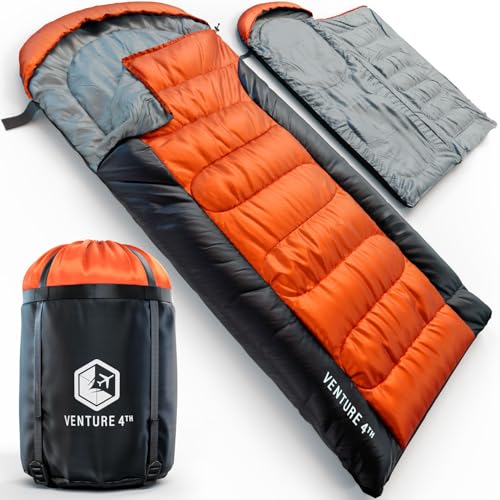
3 Season Sleeping Bag: The Complete Buyer's Guide
Discover how to choose the perfect 3 season sleeping bag for spring, summer, and fall adventures. Understand temperature ratings, fill types, shapes, and features before you buy.
START YOUR RESEARCHCampLifeEssentials Insight: A 3 season sleeping bag is the most versatile option for the majority of campers. It balances warmth, weight, and packability for three seasons of comfortable sleep outdoors — but only if you match the bag's rating to your real-world conditions.
If you camp from early spring through late fall, a 3 season sleeping bag is likely the single most important piece of gear you will invest in. Unlike winter bags that prioritize extreme warmth or summer bags built for minimal bulk, a 3 season bag must perform across a wide range of temperatures — from chilly mountain nights near freezing to mild summer evenings in the low 50s.
This guide walks you through everything you need to know before choosing a 3 season sleeping bag: how temperature ratings work, the trade-offs between down and synthetic insulation, the pros and cons of mummy versus rectangular shapes, and the features that genuinely matter. By the end, you will have a clear framework for selecting a bag that keeps you warm, comfortable, and confident on every trip.
If you are still exploring broader sleeping options, our sleeping bags for camping overview provides a helpful foundation. For a deeper dive into temperature ratings, see our sleeping bag temperature guide.
What Exactly Is a 3 Season Sleeping Bag?
A 3 season sleeping bag is designed for use in spring, summer, and fall — three of the four traditional camping seasons. These bags typically carry a temperature rating between 20°F and 45°F (-7°C to 7°C). That range covers the vast majority of camping conditions in temperate climates, where nighttime temperatures rarely drop below freezing during the three warmer seasons.
The key distinction is that a 3 season bag is not intended for deep winter camping, where sustained temperatures below 20°F demand a dedicated winter bag. Conversely, a summer-only bag often lacks the insulation needed for crisp spring and fall nights. The 3 season category is the sweet spot for most recreational campers.
It is worth noting that "3 season" is a general label, not a standardized measurement. One manufacturer's 3 season bag may be warmer than another's. Always check the specific temperature rating and comfort limit rather than relying solely on the seasonal label. For a complete explanation of ratings, our sleeping bag temperature guide breaks down EN and ISO testing standards.
Understanding Temperature Ratings
Temperature ratings are the most important — and most misunderstood — specification on a sleeping bag. Most reputable brands use the EN 13537 or ISO 23537 standard, which provides three key numbers:
- Comfort rating: The temperature at which an average woman can sleep comfortably. This is the most useful number for most campers.
- Lower limit: The temperature at which an average man can sleep comfortably. This is often the number brands highlight in marketing.
- Extreme rating: A survival rating, not a comfort rating. Do not plan to sleep comfortably at this temperature.
For a 3 season bag, look for a comfort rating around 30°F to 40°F if you camp in mild conditions, or closer to 20°F if you frequently camp in the mountains or shoulder seasons. Remember that personal factors — metabolism, clothing, sleeping pad insulation, and hydration — all affect how warm you sleep.
If you are considering a bag for colder conditions, our guide to 20 degree sleeping bags explores options that push into the lower end of the 3 season range. For those who want a bit more warmth without going full winter, a zero degrees sleeping bag may be worth considering, though it typically falls into the winter category.
Down vs. Synthetic Fill: Which Is Right for You?
The insulation inside your sleeping bag determines its warmth, weight, packability, and how it handles moisture. The two main options are down and synthetic.
Down Fill
Down offers the best warmth-to-weight ratio and compresses smaller than any synthetic alternative. High fill-power down (700–900+) is exceptionally light and packable, making it ideal for backpacking. However, down loses its insulating ability when wet and is more expensive. It requires careful care and a higher upfront investment.
Synthetic Fill
Synthetic insulation — often polyester-based — is more affordable, performs better in damp conditions, and is easier to clean. It is bulkier and heavier than down for the same warmth, making it less ideal for long backpacking trips. For car campers and casual users, synthetic is often the more practical and budget-friendly choice.
For a 3 season bag, the choice often comes down to your primary use. Backpackers and those who camp in humid or wet climates may prefer synthetic for its moisture resilience. Weight-conscious travelers and those who camp in drier conditions often choose down for its superior packability and longevity.
If you are looking for a lightweight option, our guide to ultra lightweight sleeping bags covers high-performance down models. For budget-conscious campers, low cost sleeping bags often feature synthetic fill that performs well for occasional trips.
Sleeping Bag Shapes: Mummy, Rectangular, and Semi-Rectangular
The shape of your sleeping bag affects warmth, comfort, and weight. Each design serves a different priority.
- Mummy bags: Tapered to follow the body's contours, minimizing air space and maximizing thermal efficiency. They are the lightest and warmest option for their weight, making them the top choice for backpackers. The trade-off is less room to move and a more confined feel.
- Rectangular bags: Offer the most room and a familiar "bed-like" feel. They are comfortable for car campers and casual users who prioritize space over weight. They are heavier and less thermally efficient because of the extra air space.
- Semi-rectangular bags: A hybrid that provides more room than a mummy but better thermal efficiency than a rectangular bag. They are a popular compromise for campers who want comfort without excessive bulk.
Your sleeping style matters. If you move a lot during sleep or feel claustrophobic in tight spaces, a semi-rectangular or rectangular bag may serve you better. If you are counting every ounce for a backpacking trip, a mummy bag is almost always the right answer.
Key Features That Make a Difference
Beyond fill and shape, several features separate a good 3 season sleeping bag from a great one:
- Hood and draft collar: A well-fitted hood traps heat around your head, while a draft collar prevents warm air from escaping when you move. These are essential for colder nights.
- Zipper quality and anti-snag design: A smooth, durable zipper with an anti-snag strip makes a significant difference in comfort and longevity. Two-way zippers allow ventilation on warmer nights.
- Draft tube along the zipper: This insulated flap blocks cold air from seeping through the zipper teeth — a small feature with a big impact on warmth.
- Shell and lining fabric: Look for water-resistant shell fabrics and soft, breathable linings. Some bags include a DWR (durable water repellent) finish for added moisture protection.
- Pad attachment loops: These keep your sleeping bag connected to your pad, preventing midnight slides. They are especially useful on uneven ground.
- Compression sack and storage bag: A good compression sack reduces pack volume, while a large cotton or mesh storage bag preserves loft when the bag is not in use.
For those who want to extend the temperature range of their bag, a liner for sleeping bag can add several degrees of warmth and keep the bag cleaner. A silk sleeping bag liner is a lightweight, packable option for travel and summer camping.
Quality Tiers: Entry-Level, Mid-Range, and Premium
3 season sleeping bags are available across a wide spectrum of quality. Understanding the tiers helps you align your purchase with your needs and frequency of use.
- Entry-level / budget-friendly: These bags typically use basic synthetic fill, simpler construction, and heavier fabrics. They are a solid choice for occasional car campers, kids, or those testing the waters. They offer adequate warmth for mild conditions but are bulkier and less durable.
- Mid-range / mid-tier: Expect better quality synthetic fill or lower fill-power down, improved zippers, more thoughtful features like draft collars and hoods, and lighter fabrics. This tier offers the best balance of performance and value for regular campers.
- Premium / high-end: These bags feature high fill-power down (800+), advanced shell fabrics, refined mummy shapes, and meticulous construction. They are lighter, warmer, and more durable, making them ideal for backpackers, thru-hikers, and frequent campers who demand the best performance.
For a broader perspective on sleeping bag options, our sleeping bags for camping hub covers a range of styles and use cases. If you are specifically looking for a deal, sleeping bag on sale highlights current offers across tiers.
How to Choose the Right 3 Season Sleeping Bag
Follow this practical framework to narrow your options:
- Define your typical conditions: Will you camp mostly in summer heat, or do you venture out in early spring and late fall? Match the comfort rating to the lowest nighttime temperatures you realistically expect.
- Decide on fill: Choose down for weight savings and packability; choose synthetic for budget, wet climates, and easy care.
- Pick a shape: Mummy for backpacking efficiency, rectangular for car camping comfort, semi-rectangular for a balance.
- Check the fit: A bag that is too large wastes heat; too small restricts movement and compresses insulation. Use manufacturer size charts and consider your height and build.
- Consider your sleeping pad: A sleeping bag only insulates from above. Pair it with a quality pad — our guides to ultralight camping sleeping pads and self inflating camping mattresses can help.
- Look for the features you need: Prioritize hood, draft collar, and zipper quality if you sleep cold. If you sleep warm, ventilation options matter more.
For campers who want an all-in-one solution, an all in one sleeping bag and mattress system eliminates the need to match separate components. For those who prefer the traditional route, a 20 degree sleeping bag or 0 degree sleeping bag may be the right rating depending on your climate.
Caring for Your 3 Season Sleeping Bag
A quality 3 season sleeping bag is an investment. Proper care extends its life and preserves its warmth:
- Store it loose: Never store your bag compressed. Use the large storage sack provided to let the insulation maintain its loft.
- Clean it correctly: Follow the manufacturer's instructions. Down bags typically need a gentle detergent and careful drying with dryer balls. Synthetic bags are more forgiving but still benefit from gentle washing.
- Protect it from moisture: Use a waterproof stuff sack or liner in wet conditions. If your bag gets wet, dry it thoroughly before storing.
- Use a liner: A liner for sleeping bag keeps body oils and dirt off the bag, reducing the frequency of full washes.
- Avoid sharp objects and rough surfaces: Use a ground sheet or pad to protect the bag's shell from abrasion.
For those considering a winter-specific bag, our winter sleeping bags guide covers the additional features and ratings you will need. And if you are building a complete sleep system, a sleeping pad for backpacking is an essential companion.
Ready to Find Your Perfect 3 Season Sleeping Bag?
Explore our recommended selection below, carefully curated for spring, summer, and fall camping comfort.
VIEW RECOMMENDED BAGSFrequently Asked Questions
What temperature range is a 3 season sleeping bag good for?
A 3 season sleeping bag is typically designed for temperatures between 20°F and 45°F (-7°C to 7°C). This makes it suitable for spring, summer, and fall camping in most climates, but not for deep winter conditions.
Is down or synthetic fill better for a 3 season sleeping bag?
Down fill offers superior warmth-to-weight ratio and compressibility, making it ideal for backpacking. Synthetic fill is more affordable, performs better in wet conditions, and is easier to care for. The best choice depends on your budget and typical weather.
What shape is best for a 3 season sleeping bag?
Mummy bags are most efficient for heat retention and weight savings, ideal for backpacking. Rectangular bags offer more room and comfort for car camping. Semi-rectangular bags provide a balance between the two.
Can I use a 3 season sleeping bag in winter?
It is not recommended for deep winter conditions. However, you can extend its range with a liner, a warmer sleeping pad, and additional layers. For sustained winter camping, a dedicated winter sleeping bag is a better choice.
How do I clean my 3 season sleeping bag?
Follow the manufacturer's instructions. Most down bags require a gentle detergent and careful drying. Synthetic bags are more forgiving but should still be washed gently and dried thoroughly. Avoid dry cleaning unless specified.
Explore More Sleeping and Camping Guides: Whether you are upgrading your sleep system or planning a trip, these resources can help:
- Sleeping Bags for Camping — a complete overview of styles and features.
- Sleeping Bag Temperature Guide — understand ratings and testing standards.
- 20 Degree Sleeping Bag — for colder shoulder-season adventures.
- 0 Degree Sleeping Bag — pushing into winter territory.
- Ultra Lightweight Sleeping Bag — for backpackers counting ounces.
- Low Cost Sleeping Bags — budget-friendly options that still perform.
- Liner for Sleeping Bag — add warmth and protect your bag.
- Silk Sleeping Bag Liner — lightweight luxury for warm nights.
- All in One Sleeping Bag and Mattress — integrated sleep systems.
- Ultralight Camping Sleeping Pad — the foundation of a warm sleep system.
- Self Inflating Camping Mattress — comfort and convenience.
- Sleeping Pads for Backpacking — lightweight insulation from below.