Sleeping Bag Liner Guide: Boost Warmth & Keep Your Bag Clean
A sleeping bag liner is one of the smallest, lightest, and most underrated upgrades to any camping sleep system. It adds warmth, protects your bag from sweat and oils, and can double as a standalone sleep sack on warm nights.
Why a liner matters: Most campers focus on the bag itself and overlook the layer that touches their skin. A well-chosen liner extends the usable temperature range of your bag, keeps it fresher between washes, and gives you a hygienic barrier anywhere you sleep.
Quick Answer
If you want one liner that works for most trips, choose a silk or silk-blend mummy liner. It is light, packable, breathable, and comfortable across a wide temperature range. For cold-weather camping, add a fleece or thermal liner for a meaningful warmth boost. For warm-weather or hostel travel, a cotton or cotton-blend liner is comfortable and easy to wash.
What Is a Sleeping Bag Liner?
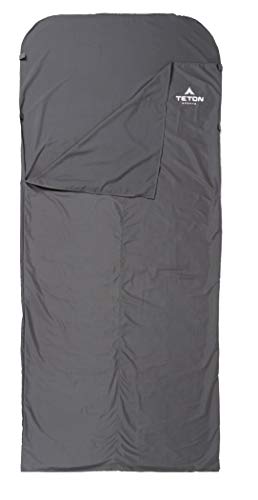
A sleeping bag liner is a thin, sack-like insert that goes inside your sleeping bag. It is shaped like a sleeping bag — rectangular, mummy, or semi-rectangular — and is usually made from silk, cotton, fleece, polyester, or technical synthetic fabrics. You sleep inside the liner, and the liner sits inside the bag.
Think of it as the sheet on your bed at home. It is the layer that touches your body, absorbs perspiration and body oils, and can be removed and washed far more easily than the sleeping bag itself. Many campers treat the liner as the "consumable" layer and the sleeping bag as the durable outer shell.
Liners serve three main purposes: added warmth, hygiene protection, and versatility. Some liners are designed primarily for warmth, some for comfort and cleanliness, and some for both. Choosing the right one depends on where and how you camp.
Why Use a Sleeping Bag Liner?
If you already own a sleeping bag, you might wonder whether a liner is worth the extra weight and cost. For most campers, the answer is yes — for three practical reasons.
1. It Adds Warmth Without Replacing Your Bag
A liner traps a thin layer of insulating air next to your body and reduces radiant heat loss. Fleece and thermal liners can add a noticeable warmth boost, which is useful when temperatures drop unexpectedly or when you want to push your three-season bag into cooler shoulder-season conditions. If you regularly camp in cold weather, pairing a liner with your existing bag is often more flexible than buying a second, warmer bag. For deeper cold-weather guidance, see our winter sleeping bags and how to stay warm in winter guides.
2. It Keeps Your Sleeping Bag Clean
Your body releases sweat, oils, and dead skin cells every night. Over time, these accumulate inside a sleeping bag, degrading the insulation and creating odors. Washing a sleeping bag is a chore — it is bulky, slow to dry, and repeated washing shortens its lifespan. A liner absorbs most of that grime instead, and it can be machine-washed in a fraction of the time. Campers who use liners typically wash their sleeping bags far less often, which extends the bag's usable life.
3. It Works as a Standalone Sleep Sack
On warm summer nights, many campers sleep in just the liner with the bag unzipped or pushed aside. This is also common in hostels, huts, and rented cabins where you want a clean barrier between you and the bedding. If you are traveling light, a liner can replace a sleeping bag entirely for warm-weather trips. For more lightweight packing strategies, see our lightweight backpacking sleeping list.
Types of Sleeping Bag Liners by Material
Liner materials fall into a few broad categories. Each has a distinct feel, weight, warmth contribution, and care routine. The table below summarizes how they compare.
| Material | Warmth Added | Weight & Packability | Best For |
|---|---|---|---|
| Silk | Light warmth | Very light, packs tiny | Three-season camping, travel, backpacking |
| Cotton / Flannel | Minimal warmth | Heavier, bulky | Warm climates, hostels, car camping |
| Fleece | Moderate warmth | Moderate weight, bulky | Cold-weather camping, car camping |
| Thermal / Synthetic | Moderate to high warmth | Light to moderate | Cold-weather backpacking, alpine trips |
| Silk-Blend / Technical | Light to moderate | Light, packable | Versatile all-round use |
Silk Liners
Silk is the classic liner material and remains the best all-around choice for most campers. It is exceptionally light, packs down to the size of a fist, feels smooth against the skin, and regulates temperature well in both warm and cool conditions. Silk adds only a small amount of warmth, but its comfort and packability are hard to beat. It is the go-to choice for backpackers, thru-hikers, and travelers. If you are planning a long-distance trek, see our thru-hiking guide for broader sleep-system advice.
Cotton and Flannel Liners
Cotton liners feel soft and breathable, similar to a bedsheet. They are comfortable in warm weather and popular for hostel travel and car camping, where weight and bulk matter less. They add very little warmth and are heavier than silk, so they are less suited to backpacking. Flannel versions are warmer and cozier but even bulkier. Cotton liners are easy to wash and dry, making them a practical choice for frequent travelers.
Fleece Liners
Fleece liners are the warmth-focused option. They add a meaningful temperature boost and feel soft and cozy against the skin. The trade-off is bulk and weight — fleece liners are noticeably heavier and pack larger than silk or synthetic liners. They are best for car camping, base camps, and cold-weather trips where you are not carrying your gear far. Pair a fleece liner with a heater for tent camping in winter for a noticeably warmer night. See our heater for camping in a tent in the winter guide for compatible options.
Thermal and Synthetic Liners
Thermal liners use synthetic fabrics engineered to reflect body heat or trap insulating air. They offer the best warmth-to-weight ratio among liners and are popular for cold-weather backpacking and alpine camping. Some models use reflective coatings or aluminized layers to reduce radiant heat loss. They are typically more durable than silk and easier to care for. If you camp in freezing conditions, a thermal liner combined with a properly rated bag is a strong setup. For more on layering for cold, see our layering clothing for winter guide.
Pro tip: Liner warmth ratings are not standardized the way sleeping bag ratings are. A liner advertised as "adds 15 degrees" is giving a rough estimate, not a guarantee. Treat liner warmth as a bonus, not as a replacement for a properly rated bag. Always match your sleep system to the expected overnight low, not the daytime temperature. Our sleeping bag temperature guide explains how to read temperature ratings correctly.
Shape and Fit: Mummy, Rectangular, and Semi-Rectangular
Liners come in the same basic shapes as sleeping bags. Matching the liner shape to your bag shape matters for comfort and warmth.
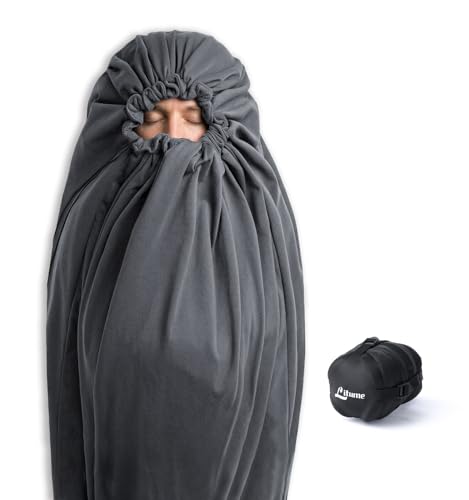
- Mummy liner: Tapers toward the foot and often includes a hood. Best for mummy sleeping bags and cold-weather camping, where minimizing dead air space matters. Mummy liners are the most efficient shape for warmth.
- Rectangular liner: Roomy and comfortable, with plenty of space to move. Best for rectangular bags, warm-weather camping, and campers who feel restricted in a mummy bag. They are less thermally efficient because of the extra air space.
- Semi-rectangular / hybrid: A compromise shape that fits many bags and offers moderate roominess. Often the most versatile choice if you own more than one bag.
- Travel / sleep sack: A simple rectangular or tapered sack with no hood, designed for hostels and warm-weather travel. Often lighter and simpler than a full camping liner.
Fit matters more than most people expect. A liner that is too small will bunch up and feel restrictive. One that is too large will twist and tangle. If possible, choose a liner sized for your bag's length and shape, and check whether it includes a pillow pocket or hood.
How to Choose the Right Sleeping Bag Liner
Use the following decision framework to narrow your options quickly.
- Start with your climate. Warm-weather camping points to cotton or lightweight silk. Three-season camping points to silk or a silk-blend. Cold-weather camping points to fleece or thermal.
- Consider how you travel. Backpackers and thru-hikers should prioritize weight and packability — silk or technical synthetic. Car campers and base campers can prioritize comfort and warmth — fleece or flannel.
- Match the shape to your bag. Mummy bag, mummy liner. Rectangular bag, rectangular liner. If you own multiple bags, a semi-rectangular liner is a flexible compromise.
- Decide whether you need warmth or just hygiene. If your only goal is keeping your bag clean and adding comfort, a light silk or cotton liner is enough. If you want to extend your bag's temperature range, choose fleece or thermal.
- Check the care instructions. Silk requires gentle washing and air drying. Cotton and synthetic liners are more forgiving. Fleece is easy to wash but takes longer to dry.
- Look for practical features. A pillow pocket, a hood, a zippered side, or a drawstring stuff sack can make a liner much more usable. A zippered side makes it easier to get in and out without wrestling with the fabric.
Pros and Cons of Using a Liner
Pros
- Adds warmth without buying a new bag
- Protects your sleeping bag from sweat and oils
- Easy to wash and quick to dry
- Doubles as a standalone sleep sack
- Creates a hygienic barrier in hostels and huts
- Small and light enough for most packs
Cons
- Adds extra weight and bulk to your sleep system
- Can twist or bunch if the fit is wrong
- Silk liners require careful washing
- Warmth contribution is modest for light liners
- Getting in and out can feel awkward at first
How to Care for Your Sleeping Bag Liner
Proper care keeps your liner comfortable and extends its life. The routine is simple, but the details depend on the material.
- Wash regularly. Wash your liner after every few trips, or more often if you sweat heavily. Because the liner absorbs most of your body oils, washing it regularly is what allows you to wash your sleeping bag less often. This is the single biggest maintenance benefit of using a liner.
- Follow the material instructions. Silk should be hand-washed or washed on a delicate cycle with a mild detergent, then air-dried away from direct sun. Cotton and synthetic liners can usually be machine-washed. Fleece should be washed on a gentle cycle and air-dried or tumble-dried on low.
- Avoid fabric softener. Softener can coat the fibers and reduce breathability, especially on technical and fleece liners. Skip it entirely.
- Dry thoroughly before storing. Storing a damp liner encourages mildew. Make sure it is completely dry before packing it away.
- Store loosely. Keep the liner in its stuff sack only while traveling. For long-term storage, keep it loose and dry to preserve the fabric.
If you camp often, consider owning two liners — one for warm-weather trips and one for cold-weather trips — so you always have the right tool for the conditions. This is a common approach among campers who camp year-round. For seasonal packing guidance, see our winter camping gear guide.
Common Mistakes to Avoid
- Expecting a liner to replace a warmer bag. A liner adds warmth, but it cannot turn a summer bag into a winter bag. Use it as a supplement, not a substitute.
- Buying the wrong shape. A rectangular liner inside a mummy bag will bunch and twist. Match the shape to your bag.
- Ignoring the fit around the shoulders. A liner that is too tight across the shoulders will feel restrictive all night. Check the shoulder width before buying.
- Never washing it. The whole point of a liner is to absorb grime. If you never wash it, you lose the hygiene benefit and the liner itself becomes the problem.
- Storing it damp. A damp liner can develop mildew quickly, which is difficult to remove and unpleasant to sleep in.
- Overlooking the stuff sack. A liner that comes with a compression stuff sack is much easier to pack. If it does not, consider adding a small stuff sack of your own. See our camping essentials for packing accessories.
Sleeping Bag Liner vs Alternatives
A liner is not the only way to add warmth or comfort. Here is how it compares to common alternatives.
- Liner vs. warmer sleeping bag: A liner is lighter, cheaper, and more versatile than a second bag. A warmer bag is more effective in serious cold. For most campers, a liner plus a properly rated bag is the better value.
- Liner vs. sleeping bag: A liner alone is only suitable for warm conditions. For anything below mild temperatures, you need a bag. If you are choosing between the two, see our guide to a good tent and sleeping bag for one person for a broader overview.
- Liner vs. mattress topper: A liner goes inside your bag and touches your body. A mattress topper goes under your bag and cushions your body. They solve different problems. If comfort is your main concern, see our memory foam mattress topper guide.
- Liner vs. camp blanket: A camp blanket goes over you or your bag for extra warmth. A liner goes inside. Some campers use both. For cold-weather layering, see our heated camping blanket guide.
Our Verdict
A sleeping bag liner is one of the best small investments you can make in your camping sleep system. It adds warmth, protects your sleeping bag, and gives you a clean, comfortable layer that makes every night outdoors better. If you want one liner for most trips, choose a silk or silk-blend mummy liner. If you camp in cold weather, add a fleece or thermal liner to your kit. If you travel in warm climates or stay in hostels, a cotton or travel sleep sack is the practical choice.
Match the liner to your bag's shape, prioritize fit around the shoulders, and wash it regularly. Do that, and your liner will pay for itself in comfort and in extended bag life.