
Tents for the Back of Pickup Trucks: The Complete Guide
Transform your pickup into a comfortable, elevated campsite. Compare truck bed tents, camper shell setups, and rooftop options to find the perfect shelter for your next adventure.
COMPARE OPTIONSWhy choose a tent for your pickup truck? Pickup truck camping offers a unique blend of convenience and adventure. A dedicated truck bed tent elevates you off the ground, protecting you from moisture, insects, and uneven terrain. It also frees up valuable cargo space and allows you to camp in places where ground tents might not be practical. Whether you are a weekend warrior or a seasoned overlander, the right shelter can make all the difference.
This guide breaks down the three main categories of pickup truck tents—truck bed tents, camper shell tents, and rooftop tents—so you can make an informed decision based on your camping style, truck model, and budget tier. We will cover key features, installation considerations, and practical tips to help you choose the best setup for your needs.
Three Main Types of Pickup Truck Tents
1. Truck Bed Tents
These tents are specifically designed to attach to the sides and tailgate of an open truck bed. They typically use a pole structure that sits above the bed floor, creating a spacious sleeping area. They are the most popular choice for casual truck campers.
2. Camper Shell Tents
If your truck already has a camper shell (also known as a cap or topper), you can use a specialized tent that attaches to the rear opening. These tents extend the living space of your shell and provide a weather-protected entryway.
3. Rooftop Tents
Rooftop tents mount on a rack above the truck bed or cab. They are a premium option favored by overlanders and frequent campers. They offer fast setup, superior comfort, and excellent protection from ground-level elements.
Quick Comparison: Which Tent Type Is Right for You?
| Feature | Truck Bed Tent | Camper Shell Tent | Rooftop Tent |
|---|---|---|---|
| Setup Time | 5–15 minutes | 2–5 minutes | 2–5 minutes |
| Comfort Level | Good (elevated platform) | Excellent (solid base) | Excellent (padded mattress) |
| Weather Protection | Good (waterproof fabrics) | Excellent (hard shell + tent) | Excellent (hard shell or heavy fabric) |
| Gear Storage | Under the platform | Inside the shell | In the truck bed |
| Best For | Weekend campers, families | Campers with existing shells | Overlanders, frequent travelers |
| Value Tier | Entry-Level to Mid-Range | Mid-Range | Premium to Luxury |
Key Features to Consider Before Buying
- Bed Size Compatibility: Truck beds come in various lengths (5.5 ft, 6.5 ft, 8 ft). Always verify that the tent is designed for your specific bed size. Some models are adjustable, but a proper fit ensures stability and weather resistance. If you have a short bed, look for tents specifically designed for compact pickup beds.
- Weather Resistance: Look for tents with a high waterproof rating (at least 2000mm for the fly). Taped seams, durable zippers, and a bathtub-style floor are important for keeping you dry during rain. For winter camping, consider tents with a higher snow load capacity and four-season ratings.
- Ventilation: Proper airflow is crucial to prevent condensation buildup. Mesh windows and roof vents allow moisture to escape while keeping insects out. Look for tents with multiple ventilation points and adjustable flaps.
- Ease of Setup: If you plan to move camp frequently, prioritize tents with color-coded poles, quick-release buckles, and intuitive designs. Some premium models feature inflatable beams or pop-up mechanisms that set up in seconds. For a detailed comparison, see our guide on the easiest tents to set up and take down.
- Durability and Materials: Ripstop nylon and polyester are common tent materials. Higher denier fabrics offer better abrasion resistance. Aluminum poles are lighter and more durable than fiberglass. Pay attention to the quality of stakes and guy lines—upgrading to steel tent stakes can make a significant difference in windy conditions.
- Storage and Headroom: Consider how much interior space you need. Some truck bed tents offer standing height in the center, while others are more streamlined. Factor in gear storage—many tents include pockets and loft areas for organization. If you need extra space, a tarp can be used to create a covered awning area.
Installation and Setup Tips
Before you head out on your first trip with a new truck bed tent, practice setting it up in your driveway. This will help you identify any missing parts, understand the pole structure, and ensure a smooth experience at the campsite. Here are some essential tips:
- 1. Clean and inspect your truck bed. Remove any sharp objects or debris that could damage the tent floor. Check for rust or rough edges.
- 2. Lay out all components. Check that you have all poles, stakes, guy lines, and the carry bag. Read the manufacturer's instructions thoroughly.
- 3. Attach the tent to the truck bed. Most truck bed tents use straps or sleeves that wrap around the bed rails and tailgate. Ensure all attachment points are secure before raising the poles.
- 4. Raise the poles and tension the fabric. Follow the pole sequence recommended by the manufacturer. Avoid over-tensioning, as this can stress the seams and zippers.
- 5. Stake out guy lines. Even if the weather is calm, guy lines provide stability in unexpected wind. Use high-quality stakes and angle them away from the tent at a 45-degree angle. For soft ground, consider specialized tent pegs for better holding power.
- 6. Apply seam sealant. Even high-quality tents can benefit from additional seam sealing, especially at stress points. This is a simple step that significantly improves waterproofing.
Ready to Find Your Perfect Truck Bed Tent?
Browse our curated selection of top-rated tents for pickup trucks, complete with detailed specifications and real-world reviews.
VIEW RECOMMENDED PRODUCTSFrequently Asked Questions
A truck bed tent is a specialized shelter that attaches to the sides and tailgate of an open pickup truck bed. It typically uses a combination of poles and straps to create a raised sleeping area above the truck bed floor, providing protection from the elements while keeping you off the ground. This design allows you to store gear underneath the sleeping platform, maximizing your available space.
While you can place a regular tent in a truck bed, it is not recommended. Standard tents are designed for flat ground and lack the secure attachment points needed for a truck bed. Truck bed tents are purpose-built with straps, sleeves, and pole structures that securely anchor to the truck, ensuring stability and safety. Using a regular tent could lead to instability, especially in windy conditions.
Rooftop tents offer several benefits: they keep you elevated away from ground moisture and wildlife, they set up quickly, and they free up your truck bed for gear storage. They are ideal for overlanding and frequent campers who want a fast, convenient setup. However, they require a compatible roof rack and represent a higher investment compared to traditional truck bed tents.
No, truck bed tents are size-specific. They are designed to fit standard bed lengths such as 5.5 ft, 6.5 ft, and 8 ft. It is crucial to measure your truck bed and choose a tent that matches its dimensions for a proper and secure fit. Some models are adjustable to accommodate a range of sizes, but always check the manufacturer's specifications before purchasing.
Yes, one of the main advantages of a truck bed tent is that it sits above the truck bed floor, allowing you to store gear underneath the sleeping platform. This keeps your equipment protected from the elements and organized while you sleep above. It is a great way to maximize space and keep your campsite tidy.
Final Tips for Truck Bed Camping
- ● Invest in a quality air mattress or sleeping pad. The truck bed floor is hard, and a comfortable sleeping surface is essential for a good night's rest. Consider a single air mattress or a sleeping pad that fits your truck bed dimensions.
- ● Pack smart. Use stackable camping storage bins to keep your gear organized and accessible. This is especially important when space is limited.
- ● Plan for power. A camping power bank or portable power station will keep your devices charged and power small appliances like lanterns or fans.
- ● Follow Leave No Trace principles. Always practice responsible camping by packing out everything you bring in, respecting wildlife, and minimizing your impact on the environment. For more guidelines, see our article on Leave No Trace principles.
⚠️ AFFILIATE DISCLOSURE: This website contains affiliate links. As an Amazon Associate, we earn from qualifying purchases. If you make a purchase through these links, we may receive a small commission at no additional cost to you. Read our full affiliate policy.
Recommended Tents for the Back of Pickup Trucks

WildFinder Truck Bed Tent, Pickup Truck Tents for Camping 5.5-6.0 FT Bed

JOYTUTUS Pickup Truck Tent 2.0, Waterproof PU2000mm Double Layer for 2 Person, Portable Truck Bed Tent with Rainfly, 5.5'-5.8' Camping Preferred - Green

Pickup Truck Tent with Awning Shade,Waterproof PU5000mm Oxford for 5.5-6.3 FT Truck Bed for Camping Travel Outdoor Activities for Chevy Silverado 1500,Ram 1500/Dakota,F150,GMC 1500,Titan,Tundra

Truck Bed Tent for Camping, PU3000mm Waterproof for 5.5-6ft Pickup Tent
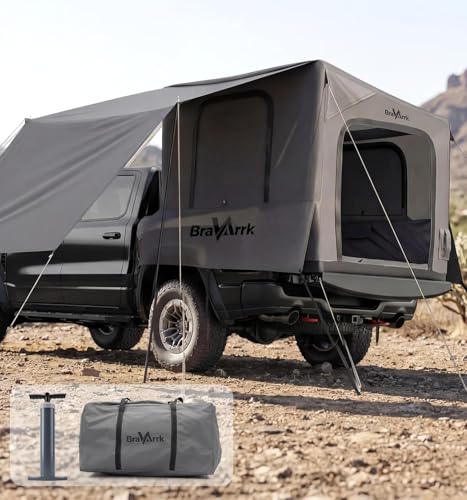
BravArrk Inflatable Truck Bed Tent with Detachable Zippered Awning

Umbrauto Truck Bed Tent with Awning: 6.4-6.7FT PU3000mm Waterproof Tailgate Pickup Truck Tents, Easy Set-up for 2 Person, Fits Full Size Short Bed, Chevy, Dodge, Ford, GMC, Green

GARIGLOOME Inflatable Truck Bed Tent, Fast Setup Pickup Camping Tent

WildFinder Truck Bed Tent, Pickup Truck Tents for Camping 5.5-6.0 Ft Bed
Disclaimer
Outdoor activities involve inherent risks. The information provided on CampLifeEssentials is for educational purposes only. We are not responsible for any injuries, losses, or damages resulting from the use of this information. Some content may use AI assistance. Always practice Leave No Trace principles and verify local regulations before camping. If you do not agree, please do not use this website. Read the full disclaimer.