Safe Tent Heaters for Camping: Battery Operated Guide
Stay warm without compromising safety. Discover the best battery operated tent heaters, essential safety features, and expert tips for cold-weather camping comfort.
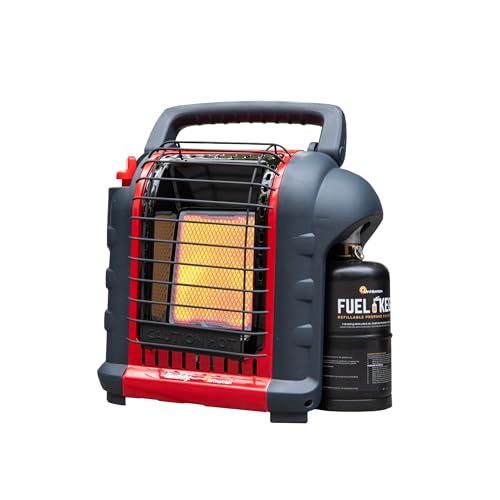
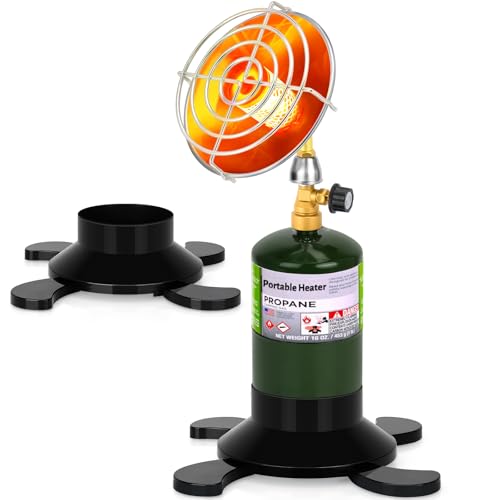
View Recommended HeatersWhy Battery Operated Heaters? Unlike propane or fuel-based heaters, battery operated models produce no carbon monoxide, no open flames, and no dangerous fumes. They are the safest choice for enclosed tent spaces, making them ideal for families, beginners, and anyone concerned about ventilation risks.
Why Choose a Battery Operated Tent Heater?
Camping in cold weather presents unique challenges, and staying warm inside your tent is one of the most critical factors for a comfortable night's sleep. While traditional propane heaters are powerful, they carry inherent risks in enclosed spaces: carbon monoxide buildup, oxygen depletion, and fire hazards.
Battery operated tent heaters eliminate these dangers entirely. They run on rechargeable lithium batteries or standard power banks, producing gentle, consistent warmth without combustion. This makes them the safest option for camping in the winter in a tent, especially for those who prioritize peace of mind alongside comfort.
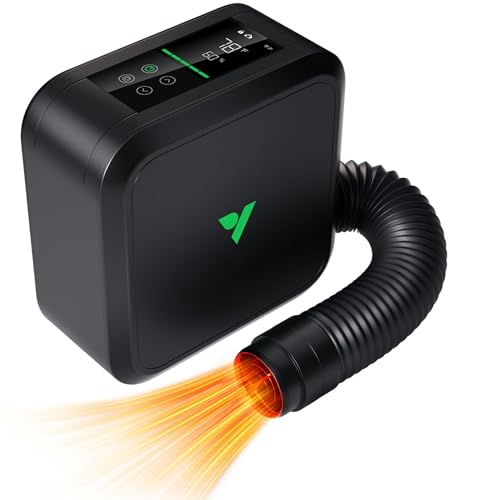
Modern battery-powered heaters have evolved significantly. Many now offer adjustable heat settings, oscillating fans, quiet operation, and impressive runtime. Some models can run for hours on a single charge, providing enough warmth to take the chill off your sleeping area before bed and maintain a comfortable temperature throughout the night.
Types of Battery Operated Tent Heaters
Not all battery operated heaters are created equal. Understanding the different types helps you choose the right model for your camping style and tent size.
🔥 Ceramic Fan Heaters
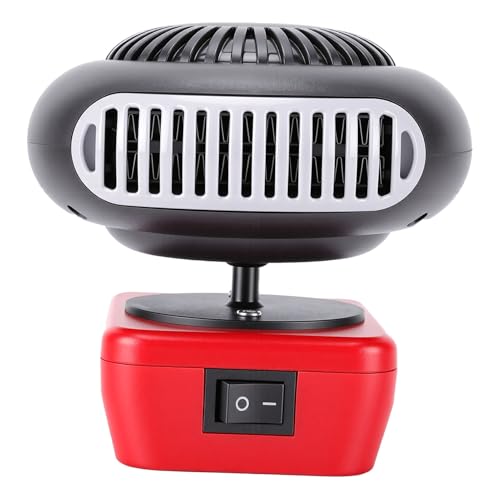
These use a ceramic heating element paired with a fan to distribute warm air. They heat up quickly and are ideal for small to medium tents.
- Fast heat-up time
- Even heat distribution
- Often include oscillation
- Best for: entry-level to mid-range budgets
💨 Infrared Radiant Heaters
Infrared heaters warm objects and people directly rather than heating the air. They are highly efficient and silent, perfect for quiet campsites.
- Silent operation
- Direct, targeted warmth
- Energy efficient
- Best for: mid-range to premium budgets
🔋 USB-Powered Personal Heaters
Compact and portable, these small heaters plug into USB power banks. They are best for personal warmth inside a sleeping bag or small tent.
- Ultra-portable
- Low power consumption
- Great for solo campers
- Best for: budget-friendly options
♨️ Battery-Powered Heating Blankets & Pads
While technically not space heaters, these are excellent safe alternatives. They provide direct warmth to your body and sleeping area.
- Very low fire risk
- Energy efficient
- Perfect for inside sleeping bags
- Best for: all budget tiers
Essential Safety Features to Look For
When selecting a battery operated tent heater, safety should be your top priority. Unlike home heaters, tent heaters operate in confined spaces where every safety feature matters. Here are the critical features to verify before purchasing.
| Safety Feature | Why It Matters |
|---|---|
| Automatic Tip-Over Shutoff | If the heater is knocked over, it powers down immediately, preventing fire hazards from contact with tent fabric or sleeping bags. |
| Overheat Protection | Internal sensors shut the unit off if temperatures exceed safe limits, preventing melting or combustion. |
| Cool-Touch Exterior | The outer casing remains safe to touch, reducing burn risks for children and pets. |
| Low Voltage Cutoff | Prevents battery damage and ensures the heater doesn't over-discharge, extending battery life. |
| No Open Flame or Combustion | Eliminates carbon monoxide risk entirely, making it safe for enclosed spaces. |
| Stable Base Design | Wide, weighted bases prevent accidental tipping on uneven tent floors. |
For maximum safety, always place your heater on a flat, stable surface away from tent walls, sleeping bags, and other flammable materials. Never leave a heater running unattended while you sleep unless it has verified automatic shutoff features and you have adequate ventilation. Pair your heater with a camping power bank that matches the heater's voltage requirements for optimal performance.
How to Choose the Right Battery Operated Heater
Selecting the perfect heater depends on several factors unique to your camping setup. Consider these key points before making a decision.
📏 Tent Size & Volume
Small tents (1-2 person) need less powerful heaters, while larger family tents require more BTU output or multiple units. A heater that's too powerful for a small tent wastes battery; too weak for a large tent provides no benefit.
🔌 Battery Type & Capacity
Look for heaters that use standard rechargeable batteries (like 20V or 40V systems) or have built-in high-capacity lithium batteries. Consider how you'll recharge: solar panels, portable power stations, or car chargers.
🌡️ Heat Output & Settings
Adjustable heat settings let you conserve battery on milder nights and boost warmth when temperatures drop. Low, medium, and high settings are standard; premium models offer thermostat control.
🔇 Noise Level
Fan-based heaters produce some noise. If you're a light sleeper or camping in a quiet campground, look for models advertised as quiet or choose infrared heaters that operate silently.
⚖️ Portability & Weight
For backpacking, every ounce counts. Choose compact, lightweight models. For car camping, weight is less critical, and you can opt for larger, more powerful units.
🛡️ Durability & Warranty
Camping gear takes abuse. Look for heaters with rugged construction, water resistance, and solid warranties. Premium brands often offer better build quality and customer support.
Tips for Maximizing Warmth and Battery Life
Even the best heater works more efficiently when combined with smart camping practices. These strategies help you stay warm while extending your heater's runtime.
- Insulate Your Tent: Use a tent footprint, add a rug or foam mat inside, and consider a 4-season tent with stove jack for superior insulation. Drafts are the enemy of warmth.
- Layer Your Clothing: A good layering clothing system traps body heat. Wear a thermal base layer, fleece mid-layer, and insulated outer layer.
- Use a Quality Sleeping Bag: A winter sleeping bag rated for temperatures below what you expect is essential. Your heater supplements, not replaces, proper sleep gear.
- Pre-Heat Before Bed: Run your heater at full power for 20-30 minutes before bedtime to warm the tent. Then reduce to low or turn off while you sleep inside your sleeping bag.
- Seal Drafts: Use a tent draft stopper or rolled-up clothing along tent edges. Close all vents except one for minimal ventilation.
- Recharge Strategically: Use a solar charger during the day to top off your heater's battery. A portable power station can also serve as a backup power source.
- Use a Thermal Blanket: A winter blanket draped over your sleeping bag adds an extra layer of warmth without any battery drain.
Common Mistakes to Avoid
Even with a safe battery operated heater, certain mistakes can compromise your safety or comfort. Avoid these common pitfalls.
❌ Blocking Airflow
Never place the heater against tent walls or cover it with blankets. Restricted airflow causes overheating and can damage the unit.
❌ Ignoring Ventilation
Even without combustion, tents need some ventilation to prevent condensation. Leave a small vent open to reduce moisture buildup.
❌ Using Indoor Heaters Outdoors
Home space heaters are not designed for tent use. They lack tip-over protection and may have exposed heating elements that pose fire risks.
❌ Running at Full Power All Night
This drains batteries quickly and may make the tent too warm, leading to discomfort. Use lower settings or cycle the heater on and off.
Frequently Asked Questions
Are battery operated tent heaters safe to use while sleeping?
Battery operated heaters are generally safer than propane or fuel-based models because they produce no carbon monoxide. However, you should only sleep with a heater running if it has automatic shutoff features, overheat protection, and you maintain minimal ventilation. For maximum safety, pre-heat your tent and turn the heater off before sleeping, relying on a quality sleeping bag for overnight warmth.
How long do battery operated tent heaters run on a single charge?
Runtime varies significantly based on the heater's power output and battery capacity. Entry-level models may run 2-4 hours on low, while premium heaters with high-capacity batteries can last 6-10 hours or more. Infrared models tend to be more energy-efficient than ceramic fan heaters. Always check the manufacturer's specifications and consider bringing a backup battery or power bank for extended trips.
Can I use a battery operated heater in a small backpacking tent?
Yes, but choose a compact, low-wattage model designed for small spaces. USB-powered personal heaters and small infrared units work well in 1-2 person tents. Avoid large ceramic heaters that may overwhelm a small space and drain your battery quickly. For backpacking, consider a battery-powered heating pad or blanket as a lighter, more efficient alternative.
Do I still need a sleeping bag if I have a tent heater?
Absolutely. A tent heater supplements your sleep system; it does not replace it. Your sleeping bag provides essential insulation between your body and the cold ground. Even with a heater, temperatures inside a tent can drop significantly overnight. Always use a sleeping bag rated for the conditions you expect. For extreme cold, pair your heater with a military modular sleep system for maximum warmth.
How do I recharge my battery operated heater while camping?
You can recharge using a portable power station, a solar charger, or your vehicle's 12V outlet. For multi-day trips, bring a high-capacity camping power bank or a portable power station to keep your heater running. Solar chargers work well in sunny conditions but may be slow on cloudy days. Plan your power needs carefully before your trip.
What is the best heater for camping in freezing temperatures?
For freezing conditions, look for a high-capacity battery operated heater with multiple heat settings and strong airflow. Infrared heaters are excellent for direct warmth, while ceramic fan heaters circulate heat more evenly. Combine your heater with a 4-season tent or a hot tent camping setup for the best results. Always prioritize safety features like tip-over protection and overheat shutoff.
Final Thoughts
Battery operated tent heaters represent the safest, most convenient way to stay warm during cold-weather camping trips. They eliminate the carbon monoxide risks of propane heaters while providing reliable, adjustable warmth for tents of all sizes.
When choosing a heater, prioritize safety features like automatic tip-over shutoff, overheat protection, and cool-touch exteriors. Consider your tent size, battery capacity, and noise tolerance. Pair your heater with proper insulation, quality sleeping bags, and smart camping practices to maximize both warmth and battery life.
With the right battery operated heater and a well-prepared camping setup, you can extend your camping season into colder months and enjoy the peace and beauty of winter camping without sacrificing comfort or safety.