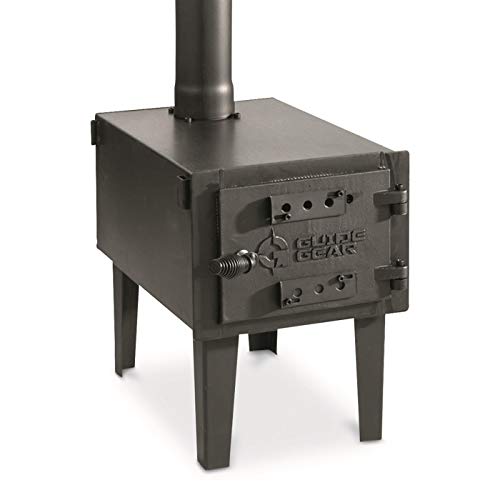
The Ultimate Portable Wood Stove Guide for Tent Camping, Hiking & Hunting
Stay warm and cook meals in the backcountry with a lightweight, packable wood stove. Our comprehensive guide covers everything from safety and setup to choosing the perfect model for your cold-weather adventures.
VIEW RECOMMENDED STOVESWhy a Portable Wood Stove? Unlike propane or battery-powered heaters, a portable wood stove provides dry, radiant heat, allows you to cook meals, and eliminates the need to carry heavy fuel canisters. It's the ultimate off-grid heating solution for winter camping, backcountry camping, and hunting base camps where every ounce counts.
Why Choose a Portable Wood Stove for Your Tent?
For dedicated hunters, hikers, and winter campers, a portable wood stove is a game-changer. It transforms a freezing four-season tent into a cozy refuge. The key benefits are clear: unlimited fuel sourced from the environment, the ability to boil water and cook food, and a crackling fire ambiance that no gas heater can replicate. Modern designs focus on lightweight titanium or stainless steel construction that folds flat, making them surprisingly easy to pack alongside your other camping essentials. If you are serious about cold weather camping safety, a wood stove is an investment in comfort and survival.
These stoves are not just for extreme expeditions. They are perfect for hot tent camping in the fall, early spring, or even at high-altitude summer camps where nights drop below freezing. Compared to electric or gas heaters, a wood stove offers a robust and reliable heat source. We often recommend them over chemical heaters for multi-day trips because you don't need to pack out empty fuel canisters.
Key Features to Look For
Selecting the right stove means balancing weight, size, and durability. Here's a breakdown of critical features you should evaluate before buying, especially if you plan to use it with your winter tents that feature a stove jack.
- Material and Weight: Titanium is the gold standard—ultra-light, corrosion-resistant, and cools down quickly. Stainless steel is more affordable and durable but heavier. For backpacking checklist minimalists, a sub-3-pound titanium stove is ideal.
- Portability and Packability: Look for a stove with a folding or nesting design. The body, legs, and pipe sections should collapse flat into a compact carrying case. This is non-negotiable for backpacking for beginners or hunters who hike deep into the wilderness.
- Pipe and Draft Control: A good stove pipe includes a spark arrestor and a damper to control airflow. Efficient draft control means less smoke, better fuel economy, and a hotter fire. Ensure the pipe sections fit together securely.
- Cooking Surface: A flat top plate is essential for boiling water or cooking meals. Some stoves include side shelves or removable crossbars for hanging a pot. The ability to cook your camping meals directly on the stove adds immense value.
- Stove Jack and Tent Compatibility: Never run a pipe through a tent wall without a proper heat-resistant stove jack. Make sure your tent is either a fire-retardant bell tent with a stove hole or that you purchase a standalone jack kit for installation.
Material Showdown: Titanium vs. Stainless Steel
Your choice of material dictates the stove's weight, price, and longevity. Understanding these differences is crucial for matching the stove to your specific adventures, whether you're planning a solo solo camping trip or setting up a large hunting base camp.
| Feature | Titanium Stove | Stainless Steel Stove |
|---|---|---|
| Weight | Ultra-light (1.8–4 lbs) | Moderate to heavy (5–15+ lbs) |
| Durability | Excellent, doesn't rust, but can dent if very thin | Extremely durable, handles rough use well |
| Price Range | $150–$350+ | $80–$200+ |
| Heat Retention | Heats up/cools down very fast | Slower to heat, holds heat longer |
| Best Use Case | Backpacking, solo hunting, lightweight expeditions | Car camping, base camps, winter camping Canada |
Safe Operation Inside a Tent
Burning wood inside an enclosed shelter requires strict adherence to safety protocols. The risk of carbon monoxide poisoning or fire is real, but entirely manageable with the right knowledge. When used correctly, these stoves are a safe and proven method for heating a tent. Always integrate these practices into your campfire safety rules routine.
Critical Safety Checklist
- Ventilation is mandatory: Always keep a tent vent or mesh window partially open to allow fresh oxygen in and carbon monoxide out. A sealed tent is a dangerous tent.
- Install a spark arrestor: The pipe cap must be equipped with a spark arrestor screen to prevent embers from landing on your rainfly.
- Maintain safe clearance: The stove body, and especially the pipe, must be at least 18–24 inches away from all tent walls, sleeping bags, and gear. Use a heat shield or a proper camping tarp setup for additional floor protection.
- Use a stove jack: The pipe must exit through a silicone or fiberglass stove jack, not standard nylon or polyester fabric, which will melt instantly. Explore 4-season tents with a stove jack for a seamless setup.
- Install a carbon monoxide detector: A battery-powered CO detector is a non-negotiable, lifesaving piece of gear. Pack it alongside your camping first aid kit.
For a deeper dive into staying comfortable in extreme conditions, read our guide on how to stay warm in winter. It pairs perfectly with your stove setup. And remember, while a stove provides dry heat, a proper winter sleeping bag is still your ultimate backup against the cold if the fire dies down overnight.
Installation and Setup Tips
Setting up your stove correctly prevents smoke blowback and heat damage. First, assemble the pipe sections, ensuring the crimped ends point down toward the stove to prevent creosote leakage. Position the stove on a level, fireproof surface like a folding metal mat. Run the pipe through the stove jack, then secure guy lines to the spark arrestor section if it's windy. The initial burn, or "curing," should be done outside the tent to burn off manufacturing oils and prevent fumes from filling your sleeping space. For complete winter setup instructions, including proper anchoring on frozen ground, review our guide on how to setup a tent on snow.
When you're ready to cook, the top surface will handle your camping cookware perfectly. A small camping kettle can sit perpetually on the warming tray, ensuring you have hot water on demand for winter hot drinks recipes or dehydrated meals. This dual-purpose functionality is why many campers prefer wood stoves over single-purpose tent heaters.
Comparing Portable Wood Stoves: A Quick Reference
To help you narrow down your choices, here's a snapshot comparison of typical stove categories you'll find on the market. Prices range from around $100 for basic steel models to $350+ for large titanium stoves with extensive piping.
| Stove Type | Approx. Weight | Price Range | Best For | Common Material |
|---|---|---|---|---|
| Ultralight Backpacking Stove | 1.8–2.8 lbs | $150–$280 | Solo hikers, minimalist hunting | Titanium |
| Mid-Size Cylinder Stove | 3–7 lbs | $130–$250 | 2-4 person tents, kayak camping | Titanium or Stainless |
| Heavy-Duty Wall Tent Stove | 10–20+ lbs | $180–$400+ | Winter camping gear for large base camps | Stainless Steel |
| Folding Box Stove | 1.5–3 lbs | $100–$180 | Quick trips, cooking, bushcraft | Stainless Steel/Titanium |
Ultimately, the best portable wood stove for you depends entirely on your trip style. A hunter setting up a static camp for a week in the Rocky Mountain NP camping area will prioritize a different stove than a hiker covering miles each day. Don't forget the simple accessories that improve the experience, like a small folding shovel for ash removal and a durable pair of heat-resistant gloves. Always pair your stove with a winter camping safety mindset and you'll unlock a whole new world of four-season exploration.