Memory Foam Camping Mattress: The Ultimate Guide to Comfortable Outdoor Sleep
Discover how memory foam camping mattresses provide superior pressure relief, insulation, and support for a restful night under the stars.
START YOUR RESEARCHWhy Memory Foam Matters: A good night's sleep can make or break your camping trip. Memory foam camping mattresses offer the perfect balance of comfort, support, and portability, transforming rough terrain into a cozy sleeping surface. Whether you're a side sleeper, a back sleeper, or someone who tosses and turns, the right memory foam mattress can significantly improve your outdoor experience.
What Is a Memory Foam Camping Mattress?
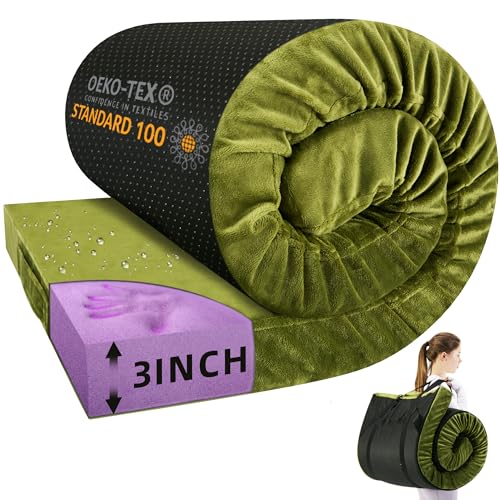
A memory foam camping mattress is a portable sleeping pad made from viscoelastic polyurethane foam, originally developed by NASA in the 1960s. This unique material responds to body heat and pressure, slowly conforming to your body's contours and then returning to its original shape when you get up. Unlike traditional air mattresses that can feel unstable or cold, memory foam camping mattresses provide a stable, insulating, and supportive sleep surface that mimics the comfort of your bed at home.
These mattresses come in various thicknesses, typically ranging from 2 to 6 inches, and are designed to be rolled or folded for easy transport. Many models feature removable, washable covers for easy cleaning, and some even include built-in pumps or compression straps for added convenience. For campers who prioritize comfort and proper spinal alignment, a memory foam camping mattress is often the go-to choice over ultralight camping sleeping pads or blow-up camping mattresses.
Types of Memory Foam Camping Mattresses
Not all memory foam camping mattresses are created equal. Understanding the different types available can help you make an informed decision based on your camping style, sleeping position, and portability needs.
Roll-Up Memory Foam Mattresses
These are the most common type, designed to be rolled tightly and secured with straps for transport. They typically range from 2 to 4 inches thick and offer a good balance between comfort and portability. Roll-up models are ideal for car camping, where weight and pack size are less critical. Many feature removable covers and can be used as a mattress pad for camping on top of a cot or air mattress.
Tri-Fold Memory Foam Mattresses
Tri-fold mattresses fold into three sections, making them compact and easy to store. They are excellent for car camping, guest beds, and even camping beds for tents. The folding design eliminates the need for compression straps and allows the mattress to double as a makeshift sofa or lounger during the day. They are generally thicker and more comfortable than roll-up models, but bulkier to transport.
Self-Inflating Memory Foam Mattresses
These combine the convenience of an air mattress with the comfort of memory foam. They feature an open-cell foam core that expands when the valve is opened, drawing in air. You can then top off the pressure by blowing into the valve. Self-inflating models are more compact than pure memory foam mattresses and offer decent insulation. They are a popular choice for backpackers and campers who want a balance between comfort and packability, similar to a self-inflating camping mattress.
Memory Foam vs. Other Camping Mattress Types
To help you understand where memory foam stands in the world of camping mattresses, here is a comparison of the most common types:
| Feature | Memory Foam | Air Mattress | Closed-Cell Foam | Self-Inflating |
|---|---|---|---|---|
| Comfort | Excellent – conforms to body | Good – adjustable firmness | Basic – firm and flat | Good – foam + air support |
| Pressure Relief | Superior – ideal for side sleepers | Moderate – can cause pressure points | Minimal – firm surface | Moderate – better than closed-cell |
| Insulation (R-Value) | High – foam traps heat | Low – air circulates and cools | Moderate – depends on thickness | Moderate to high |
| Packability | Low – bulky and heavy | High – packs small | High – lightweight and compact | Moderate – rolls up reasonably |
| Durability | Good – may soften over time | Moderate – prone to punctures | Excellent – very durable | Good – foam can degrade |
| Best For | Car camping, comfort seekers | Backpacking, occasional use | Backpacking, minimalists | All-around camping |
| Typical Tier | Premium | Entry-Level | Budget-Friendly | Mid-Range |
Pros and Cons of Memory Foam Camping Mattresses
Before investing in a memory foam camping mattress, it's important to weigh the advantages and disadvantages to ensure it aligns with your camping style.
✓ Advantages
- Superior pressure relief for side sleepers and those with back pain
- Excellent insulation from cold ground (high R-value)
- Conforms to body shape for personalized comfort
- Stable surface – no bouncing or sagging like air mattresses
- Quiet – no squeaking or crinkling noises
- Many models come with washable covers
- Ideal for car camping and glamping
✗ Disadvantages
- Bulky and heavy – not ideal for backpacking
- Can be expensive compared to closed-cell foam pads
- May soften or lose shape over time with heavy use
- Takes time to fully expand after unrolling
- Not suitable for extreme cold (foam can freeze and become firm)
- Requires proper storage to prevent mold and mildew
Buying Guide: How to Choose the Best Memory Foam Camping Mattress
Choosing the right memory foam camping mattress involves considering several key factors. Here's what to look for:
How to Care for Your Memory Foam Camping Mattress
Proper care and maintenance will extend the life of your memory foam camping mattress and ensure it remains comfortable for years to come. Follow these tips:
Storage
Always unroll and allow your mattress to fully expand after each trip. Store it flat or loosely rolled in a cool, dry place. Avoid compressing it for long periods, as this can damage the foam cells and reduce its ability to expand. If space is limited, a tri-fold model stored flat under a bed is a good option.
Cleaning
Most memory foam camping mattresses come with removable, washable covers. Machine wash the cover on a gentle cycle and air dry. For the foam itself, spot clean with a damp cloth and mild detergent. Never soak the foam or put it in a washing machine. Allow it to air dry completely before storing to prevent mold and mildew.
Protection
Use a mattress protector or a fitted sheet over your memory foam mattress to keep it clean and protected from dirt, moisture, and spills. This is especially important when camping in damp or dusty environments. A liner for sleeping bag can also add an extra layer of protection and warmth.
Who Should Buy a Memory Foam Camping Mattress?
A memory foam camping mattress is an excellent choice for a specific type of camper. You should consider one if:
Related Camping Sleep Solutions
Explore our other guides to create the perfect sleep system for your next outdoor adventure:
Ready to Upgrade Your Camping Sleep?
Browse our curated selection of top-rated memory foam camping mattresses and find the perfect match for your next adventure.
VIEW RECOMMENDED MATTRESSESFrequently Asked Questions
Memory foam camping mattresses offer superior pressure relief and insulation compared to standard air mattresses. They conform to your body shape, providing better support for side sleepers and those with back pain. However, air mattresses are generally lighter and pack smaller, making them a better choice for backpacking. For car camping and comfort-focused trips, memory foam is the clear winner.
For comfortable camping, a memory foam mattress should be at least 2 to 4 inches thick. Thicker mattresses (4+ inches) provide better pressure relief and insulation from the cold ground, making them ideal for side sleepers and cold-weather camping. If you're a back sleeper or a lighter camper, a 2-3 inch mattress may suffice. Always consider your body weight and sleeping position when choosing thickness.
It is not recommended to leave a memory foam camping mattress compressed for extended periods. Doing so can damage the foam cells and reduce its ability to expand and provide support. Always unroll and allow it to fully expand after each trip. If you must store it rolled up, do so only for short periods, and allow it to breathe and expand regularly.
Most memory foam camping mattresses come with a removable, washable cover. Machine wash the cover on a gentle cycle and air dry. For the foam itself, spot clean with a damp cloth and mild detergent, then allow it to air dry completely before storing. Avoid soaking the foam, as moisture can cause mold and mildew. Never put the foam in a washing machine or dryer.
Yes, memory foam camping mattresses are excellent for side sleepers. The foam conforms to the curves of your body, relieving pressure on your hips and shoulders, which are common pain points for side sleepers. A thicker mattress (4+ inches) is recommended for side sleepers to prevent bottoming out and ensure proper spinal alignment. Pair with a supportive pillow for the best sleep.