Camping Cooking Pot Set: The Ultimate Guide to Outdoor Cookware
Everything you need to know before buying a camping cooking pot set — materials, sizes, nesting designs, and how to match cookware to your camping style.
Why a dedicated camping cooking pot set matters: A well-chosen set saves pack space, heats evenly on a camp stove, and cleans up fast at the campsite. This guide walks you through the trade-offs so you can buy once and cook confidently for years.
What Exactly Is a Camping Cooking Pot Set?
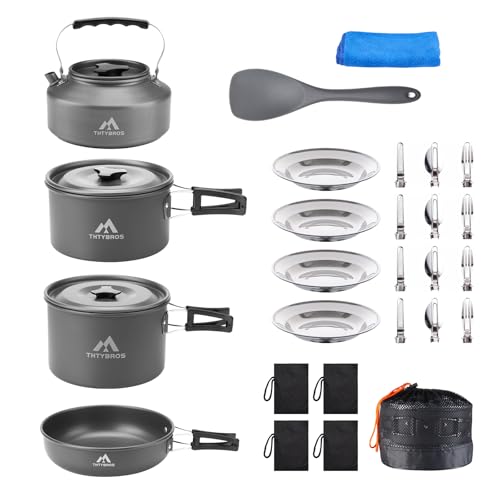
A camping cooking pot set is a coordinated collection of pots, pans, and often lids, handles, and mesh bags designed to nest together for compact transport. Unlike home cookware, these sets are engineered around weight, packability, and heat sources you actually use outdoors — from single-burner propane stoves to two-burner camping stoves and open campfires.
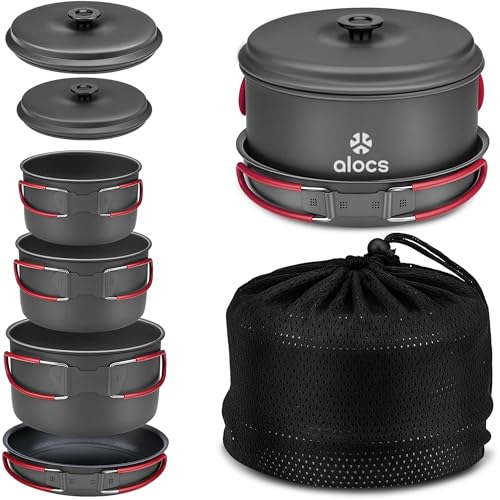
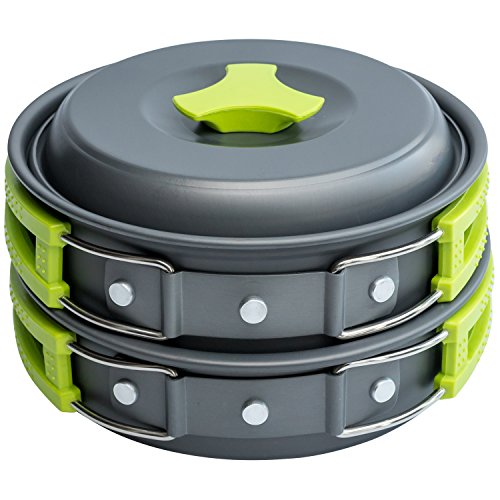
Most sets include one or two saucepans, a frying pan that doubles as a lid, and a shared handle or pot gripper. The nesting design is the core feature: a mid-range set typically packs down to roughly the footprint of its largest pot, which matters enormously when you are carrying gear in a lightweight backpack for hiking or loading a truck bed topper camper.
Materials Compared: Aluminum, Stainless Steel, Titanium, and Nonstick
The material determines weight, heat behavior, durability, and how carefully you need to treat the surface. Here is how the main options compare in real camping conditions.
Hard-Anodized Aluminum
Hard-anodized aluminum is the most common material in mid-range and premium camping sets. It conducts heat quickly and evenly, resists scratching better than bare aluminum, and weighs significantly less than stainless steel. If you cook on a propane portable gas stove and want predictable browning, this is the sweet spot for most campers.
Stainless Steel
Stainless steel sets are the workhorses of car camping and basecamp cooking. They tolerate metal utensils, resist denting, and never react with acidic foods like tomato sauce. The trade-off is weight and slower, less even heat distribution. For families cooking large meals, a stainless set paired with a camping pots and pans collection is a durable long-term choice.
Titanium
Titanium is the top-tier choice for ultralight backpackers. It is remarkably strong for its weight, but it conducts heat poorly and tends to develop hot spots, so it rewards careful stirring and lower flame settings. If every gram counts on a multi-day trek, titanium earns its place.
Nonstick Coatings
Nonstick interiors make cleanup dramatically easier, especially with eggs, pancakes, and sticky sauces. The trade-off is that coatings degrade if overheated or scraped with metal tools. Entry-level nonstick sets are fine for occasional weekend trips; premium ceramic or diamond-reinforced coatings last longer but still require gentle handling and a soft spatula from your cooking utensils for camping kit.
| Material | Weight | Heat Evenness | Durability | Best For |
|---|---|---|---|---|
| Hard-Anodized Aluminum | Light | Very Good | Good | All-around camping |
| Stainless Steel | Heavy | Moderate | Excellent | Family & car camping |
| Titanium | Ultralight | Poor | Excellent | Backpacking |
| Nonstick Coated | Light–Moderate | Good | Moderate | Easy cleanup |
How to Choose the Right Size and Capacity
Size is where most buyers get it wrong. A set that is too small forces you to cook in batches; a set that is too large wastes pack space and fuel. Match capacity to the number of people you actually feed.
- Solo campers (1 person): A 0.8–1.2 liter pot plus a small frying pan is plenty. Look for compact nesting sets that fit inside a mess kit for camping.
- Couples (2 people): A 1.5–2 liter pot and a 8–9 inch pan handle most meals. This is the most common mid-range configuration.
- Small families (3–4 people): Look for a 3–4 liter pot plus a larger skillet, or a set with two pots so you can boil and sauté simultaneously.
- Large groups (5+ people): Consider a dedicated basecamp set or combine a pressure cooker 8 quart with a wide skillet for high-volume meals.
Also check the pot diameter against your stove's burner grate. A pot wider than the grate is unstable; a pot much narrower wastes heat up the sides. If you cook over fire, a portable wood oven pizza or a flat-bottomed pot with a wider base distributes heat better than a narrow, tall stockpot.
Features That Actually Matter at the Campsite
Marketing copy lists dozens of features; only a handful affect your daily cooking experience. Prioritize these:
Nesting and Packability
The best sets nest tightly with lids inverted and handles folded. Check whether the manufacturer includes a mesh storage bag — it keeps soot off the rest of your gear and prevents rattling inside a camping backpack with tent and sleeping bag.
Handle Design
Detachable pot grippers save space but require a firm grip. Folding wire handles are convenient but get hot. Silicone-wrapped handles stay cooler but add bulk. Whichever you choose, always pack a heat-resistant glove or a spare gripper — dropping a full pot of boiling water is the most common campsite cooking injury, and it is worth reviewing common camping injuries and keeping a first aid for camping kit within reach.
Lids and Strainers
A lid that doubles as a colander or strainer is genuinely useful for pasta and rice. Look for lids with steam vents to prevent boil-overs, and consider whether the lid fits both the pot and the pan.
Base Thickness and Induction Compatibility
Thicker bases resist warping and distribute heat more evenly. If you ever cook on an induction cooktop — some RV kitchens and portable power stations with induction burners — verify the set is induction-compatible with a magnetic base.
Match Your Pot Set to Your Camping Style
Your cooking style should drive the purchase, not the other way around. Here is how different campers should think about it.
Backpacking and Ultralight Trips
Weight and volume dominate. Choose a titanium or hard-anodized two-piece set, often just a pot and a lid that doubles as a shallow pan. Pair it with a single-burner propane stove and a compact camping gear for cooking organizer. Every ounce you save on cookware is an ounce you can spend on water or insulation, and if you camp in cold conditions, review winter camping gear priorities before finalizing your pack.
Car Camping and Family Trips
You can afford weight and volume here. A stainless steel or hard-anodized multi-pot set with a large skillet lets you cook full meals. This is also where a camping kitchen setup with a folding table and a 2-burner camping stove shines. Families should also consider a camping gear for families checklist so no essential cookware is left behind.
RV and Van Camping
Space is limited but weight is less of a concern. Look for sets with removable handles and flat lids that stack efficiently in narrow cabinets. An RV camper supply store often carries nesting sets sized specifically for RV galley storage.
Campfire and Open-Fire Cooking
If you cook over coals or flames, prioritize thick-bottomed stainless or cast-iron-compatible pots. Thin aluminum warps over high heat. Always follow campfire safety rules and know how to extinguish a campfire properly. In dry seasons, check the fire ban guide before planning any open-fire cooking, and understand campfire regulations for your destination.
Cleaning, Storage, and Long-Term Care
A camping cooking pot set lasts far longer with basic care. Wipe food residue promptly, avoid abrasive scouring pads on nonstick surfaces, and dry thoroughly before storing to prevent corrosion — especially with aluminum and steel.
At the campsite, follow Leave No Trace principles by straining food particles from wash water and packing them out rather than dumping them near your site. Store your set in a breathable mesh bag, not a sealed plastic bag, so residual moisture can escape.
If you camp in freezing temperatures, avoid leaving a full pot of water overnight — expansion can damage coatings and seams. Review how to melt snow for water for safe cold-weather cooking practices, and keep your cookware inside your shelter or a sealed container to prevent freezing.
Common Mistakes When Buying a Camping Cooking Pot Set
- Buying for the wrong stove: A set that works on a wide two-burner stove may be unstable on a tiny backpacking burner. Check grate compatibility first.
- Ignoring packed volume: Two pots that nest well beat three that do not, even if the three-pot set has more capacity.
- Overlooking cleanup: Nonstick saves time, but only if you bring a soft scraper. Pack a small sponge and a few drops of biodegradable soap.
- Forgetting a lid: Boiling water without a lid wastes fuel and time. A lid is not optional for efficient cooking.
- Skipping the test run: Boil water and cook one meal at home before your trip. You will quickly learn whether the handles stay cool and whether the pan fits your stove.
Quick Buyer's Checklist
- Material matches your camping style (titanium for backpacking, stainless for family camping).
- Set nests compactly and includes a storage bag.
- Pot diameters fit your stove's burner grate.
- Handles stay cool or include a reliable gripper.
- Lid doubles as a strainer or second pan where possible.
- Coating is compatible with your utensils (soft tools for nonstick).
- Induction-compatible if you ever cook on an induction surface.
- Set size matches the number of people you actually feed.
Frequently Asked Questions
Is a camping cooking pot set worth it compared to bringing one pot?
For occasional solo trips, a single pot may be enough. For anything beyond that, a set pays off because the pieces nest, share handles, and cover boiling, frying, and simmering without improvising. If you are unsure whether you will camp often, start with a compact two-piece set and expand later.
Can I use home cookware for camping?
You can, but home pots are heavier, bulkier, and often have long handles that do not pack well. They also tend to be less stable on small camp stoves. Dedicated camping cookware is designed around the constraints of outdoor cooking.
How many pots do I actually need?
Most campers do fine with one pot and one pan. Add a second pot only if you regularly cook multi-component meals, such as pasta plus sauce, or if you cook for four or more people.
What is the best material for a beginner?
Hard-anodized aluminum is the most forgiving all-around choice for beginners. It balances weight, heat distribution, and durability without the care requirements of titanium or the weight of stainless steel.
How do I prevent food from sticking?
Preheat the pan gradually, use enough oil or butter, and avoid high heat with nonstick coatings. Stir frequently and use soft utensils. If sticking is a persistent issue, your heat is likely too high for the pan's coating.
Can I use metal utensils on my camping cookware?
Only on uncoated stainless steel or hard-anodized surfaces. Never use metal on nonstick coatings. Pack a set of silicone or wooden utensils from your camping utensils kit to protect the surface.
Is it safe to cook acidic foods like tomato sauce in aluminum?
Bare aluminum can react with acidic foods and impart a metallic taste. Hard-anodized aluminum is much more resistant, and stainless steel is fully non-reactive. For frequent acidic cooking, choose stainless or a well-coated nonstick set.
Final Thoughts
A camping cooking pot set is one of those purchases that quietly shapes every meal of your trip. Get the material, size, and nesting design right, and cooking outdoors becomes simple and enjoyable. Get it wrong, and you will fight unstable pans, wasted fuel, and difficult cleanup for the entire trip.
Start with your camping style, match the set to your stove and group size, and prioritize packability and cleanup. If you are still building out your kitchen kit, explore our broader camping gear guides and camping checklists to make sure nothing essential is missing. Then get outside and cook something memorable.