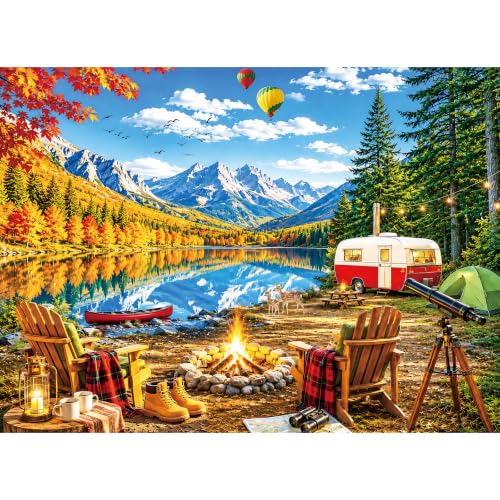
Why Choose a Lakeside Campsite?
Camping by a lake combines the best of outdoor living with waterfront recreation. Unlike a basic forest campsite, a lakeside spot gives you instant access to swimming, fishing, kayaking, and simply relaxing by the shore. The open water also creates a natural breeze that keeps bugs away and moderates summer temperatures.
For families, a lake provides endless entertainment for children. For anglers, it's a dream come true. For photographers and nature lovers, the reflections and wildlife at dawn and dusk are unforgettable. Whether you're in a tent, an RV, or a truck shell, the lake becomes the centerpiece of your camping experience.
Popular lake camping destinations range from developed state campgrounds with full hookups to remote BLM camping areas where you can truly disconnect. Many campground resorts also offer lakeside sites with amenities like boat rentals and guided fishing trips.
How to Choose the Right Lakeside Campsite
Not all lakeside campsites are created equal. The ideal spot depends on your priorities: privacy, amenities, water access, or proximity to activities. Here are the key factors to consider when selecting your lakeside campsite.
1. Water Access and Shoreline Type
Direct water access is the main draw. Look for campsites with a gentle, sandy, or grassy shoreline for easy entry. Rocky or steep shorelines can be hazardous, especially for children or pets. If you plan to swim, a designated swimming area is ideal. For fishing, a spot near drop-offs or weed beds is preferable.
If you're bringing a boat, check whether the campsite has a launch ramp or dock. Some lakeshore RV parks offer private docks, while more rustic spots may require you to carry your kayak or canoe to the water.
2. Privacy and Spacing
Developed campgrounds often have sites close together. If privacy is a priority, look for walk-in sites, tent-only loops, or dispersed camping areas. A campground rental that offers secluded lakeside cabins or yurts can also provide a more private experience.
Sites tucked into a cove or surrounded by trees tend to be more private and sheltered from wind. However, be aware of dead trees or branches that could fall during storms.
3. Amenities and Hookups
Decide whether you need electric, water, and sewer hookups. RV hookup sites are convenient for larger rigs, while tent campers may prefer a simpler setup. Many lakeside campgrounds offer flush toilets, showers, and potable water. If you're camping in a remote area, you'll need to bring your own outdoor toilet or portable urinals and a reliable water filter.
Check the campground's parks reservation system early, especially for peak summer weekends. Popular lakeside sites book out months in advance.
4. Wind and Weather Exposure
Lakes can create their own weather. Afternoon winds are common, so choose a site with some natural windbreak (trees, hills) but not directly under large dead trees. A rain fly and waterproof tarps are essential for sudden showers. If you're camping in a heated tent or using a portable wood stove, ensure your site allows open flames and has proper ventilation.
Morning dew can be heavy near water, so a camping canopy or portable canopy over your picnic table and cooking area will keep things dry.
Essential Gear for Lakeside Camping
Lakeside camping has specific gear requirements. Moisture, sun exposure, and water activities mean you need equipment that performs in wet conditions. Below is a breakdown of the most important gear categories, with quality tiers to help you compare without referencing specific prices.
Shelter: Tents and Canopies
Your tent should be rated for the conditions you expect. Three-season tents are fine for most lakeside trips, but if you're camping in early spring or late fall, a 4-season tent with stove jack offers better weather protection. Look for a tent with a full-coverage rain fly and a bathtub floor. If you want to stand up and move around, consider a 6-person tent you can stand up in or a larger 8-person instant cabin tent.
For sun and rain protection during the day, a 10 x 10 canopy tent with sides or a 12x12 canopy is invaluable. These create a comfortable outdoor living space and protect your gear from sudden storms.
Sleeping Systems
A good night's sleep by the lake requires insulation from the damp ground. An air mattress with built-in pump and headboard adds comfort and keeps you off the cold ground. For side sleepers or those with back pain, a memory foam mattress topper for side sleepers or an extra firm mattress topper for back pain can make a huge difference.
Choose a sleeping bag rated for the expected nighttime temperatures. A sleeping suit is a great alternative for kids or for milder nights. Don't forget a camping pillow and a camping blanket for extra warmth.
Cooking and Kitchen
Cooking by the lake is a highlight. A reliable camping stove or a camping cooker is essential. For a more complete setup, a camping kitchen station keeps your utensils and ingredients organized. Bring a camping kettle for hot drinks and a set of camping cookware and camping utensils.
A camping cooler is a must for keeping food and drinks cold. For extended trips, consider a portable fridge that runs on 12V or solar. Always store food securely to avoid attracting wildlife — follow food storage rules and, in bear country, use bear-proof containers.
Lighting and Power
Nights by the lake are dark. Bring a camping lantern for area lighting and camping lights for your tent. A camping power bank keeps your phone and devices charged. For longer trips, a portable power station or solar charger can power small appliances and lights. If you need serious power, a camping generator is an option, but check campground rules regarding generator use and quiet hours.
Water Activities and Safety
If you plan to swim, fish, or paddle, bring appropriate gear: life jackets, a first aid kit, and a camping first aid kit. A floating tent or hammock that can be used as a tent can be a fun way to enjoy the water. Always follow campfire safety rules and check for fire bans before lighting a fire.
For communication, a two-way radio or satellite communicator is wise in remote areas. Know the emergency SOS signals and have a plan for what to do if lost.
Setting Up Your Lakeside Campsite
A well-organized campsite is safe, comfortable, and efficient. Follow these steps to set up like a pro.
1. Choose a Level, Dry Spot
Look for a site that is slightly elevated from the water's edge to avoid flooding during rain. The ground should be level and free of rocks and roots. If you're setting up a tent on a platform, ensure the platform is stable and dry. Avoid setting up directly under trees with dead branches.
2. Position Your Tent
Face your tent door away from the prevailing wind. If you're setting up a tent in the rain, use a ground tarp and put the rain fly on immediately. For hot, sunny days, orient your tent so the shade falls on it during the hottest part of the afternoon. If you're using a tent you can stand up in, make sure you have enough clearance.
3. Create a Kitchen and Dining Area
Set up your cooking area at least 200 feet from the water and away from your sleeping area. Use a camping canopy or instant canopy for shade and rain protection. Keep food and scented items in sealed containers or locked in your vehicle. Never leave food unattended.
4. Set Up a Fire Ring (If Allowed)
Use existing fire rings whenever possible. If none exist, build a fire ring with rocks on bare soil, away from overhanging branches. Keep a bucket of water and a shovel nearby. Before you leave, extinguish your campfire completely — drown, stir, and feel for heat. Check campfire regulations for your area.
5. Organize Your Gear
Keep your campsite tidy. Store gear in your tent, vehicle, or under a waterproof tarp. Use a camping list to ensure you haven't forgotten anything. A camping bag or camping backpack keeps smaller items organized.
Safety Tips for Lakeside Camping
Water and wilderness require respect. Follow these safety guidelines to prevent accidents and ensure a fun trip.
Water Safety
- Never swim alone. Always supervise children near water.
- Wear a life jacket when boating, kayaking, or paddleboarding.
- Be aware of currents, drop-offs, and underwater hazards.
- Check water quality before swimming — some lakes have algae blooms or bacteria warnings.
- Learn first aid for camping and know how to treat common camping injuries.
Weather and Wildlife
- Check the forecast before you go. Lakes can have sudden storms. Use a weather app and monitor weather alerts.
- Secure all food and scented items. In bear country, follow bear spray vs gun guidance and store food in bear canisters.
- Be camping with dogs aware — keep pets leashed and away from wildlife.
- Know how to extinguish a campfire properly and follow wildfire prevention rules.
Emergency Preparedness
- Carry a camping first aid kit and know wilderness first aid basics.
- Have a camping communication device such as a satellite messenger or PLB.
- Learn emergency SOS signals and what to do if lost.
- Review emergency preparedness for camping before every trip.
- Follow Leave No Trace principles to protect the environment for future campers.
Pro Tip: Before you leave home, check if you need a reservation and review the cancellation policies. Popular lakeside campgrounds fill up fast, especially on holidays. Also check national park rules or state park rules for specific regulations.
Best Lakeside Camping Destinations
From alpine lakes to coastal lakeshores, here are some of the best places to pitch your tent or park your RV by the water.
Western US
- Yosemite Camping: Several lakes and rivers offer lakeside camping, though reservations are essential.
- Oregon Coast Camping: Camp near lakes that meet the ocean, with stunning sunsets.
- Washington Cascades: Alpine lakes with crystal-clear water and mountain views.
- California Beach Camping: Some coastal lakes offer camping with easy beach access.
Mountain States
- Colorado Camping: Grand Lake, Turquoise Lake, and many others offer lakeside sites.
- Rocky Mountain NP Camping: Camp near alpine lakes in breathtaking scenery.
- Montana Wilderness: Remote lakes with primitive camping and excellent fishing.
- Wyoming Grand Tetons: Jackson Lake and Jenny Lake offer iconic lakeside camping.
Southern US
- Texas State Parks: Many parks feature lakes with camping, fishing, and swimming.
- Florida Springs Camping: Camp near natural springs and lakes with crystal-clear water.
- Arkansas Ozarks: Lakes like Bull Shoals and Norfork offer excellent lakeside camping.
Eastern US
- Adirondacks Camping: Thousands of lakes and ponds with primitive and developed sites.
- Maine Coast Camping: Lakes near the coast offer both freshwater and saltwater experiences.
- Smoky Mountains Camping: Fontana Lake and other lakes provide beautiful lakeside camping.
- Blue Ridge Parkway: Camp near mountain lakes with stunning views.
For more destination ideas, explore lake camping, beach camping, or best camping spots.
Lakeside Camping for Every Style
Your camping style determines your gear and setup. Here's how to adapt lakeside camping to your preferred style.
Tent Camping
Tent camping is the most popular way to enjoy a lakeside campsite. Choose a tent with good ventilation to reduce condensation, and a rain fly for protection. A pop-up tent for cold and rainy weather can be a quick solution. For families, a 8-person instant cabin tent or 10-person instant cabin tent with screen room provides space and comfort. If you want to stand up, look for camping tents you can stand up in.
RV and Trailer Camping
RV camping at a lakeside campsite offers comfort and convenience. Look for RV sites with hookups. A lakeshore RV park may offer direct water access. If you're towing, a tent trailer or mini camper can be a great option. For a more permanent setup, consider a destination camper or park model RV.
Backpacking and Primitive Camping
For a truly remote lakeside experience, backpack into a primitive camping area or dispersed camping zone. You'll need lightweight gear, a backpacking cot, and a reliable water filter. Follow BLM camping rules and Leave No Trace principles.
Glamping and Luxury
If you prefer comfort, a glamping experience at a lakeside resort or yurt camping spot might be perfect. Many campground resorts offer furnished tents, cabins, and bungalow resorts with lake views. A house yurt or bell tent can also add a touch of luxury to your lakeside campsite.
Lakeside Campsite Gear: Quality Tiers Explained
When choosing gear for lakeside camping, it helps to understand the different quality tiers. The table below compares entry-level, mid-range, and premium options for key gear categories. Remember: higher tiers generally offer better durability, weather resistance, and comfort, but the best choice depends on your frequency of use and specific needs.
| Gear Category | Entry-Level | Mid-Range | Premium |
|---|---|---|---|
| Tents | Basic rain fly, single-wall, limited ventilation | Full-coverage rain fly, mesh panels, taped seams | 4-season rated, high-denier fabrics, reinforced poles, stove jack compatibility |
| Sleeping Bags | Synthetic fill, heavier, bulkier | Down or synthetic blend, better warmth-to-weight ratio | High-fill-power down, water-resistant shell, draft collar |
| Sleeping Pads | Basic foam or air mattress, lower R-value | Self-inflating or air pad with higher R-value | Insulated air pad with high R-value, quiet fabric |
| Camp Stoves | Single-burner, basic controls | Two-burner, wind protection, piezo igniter | Multi-burner, precise simmer control, durable construction |
| Coolers | Basic ice chest, limited ice retention | Rotomolded, better insulation, sturdy latches | High-performance cooler, extended ice retention, premium hardware |
| Camp Chairs | Basic folding chair, steel frame | Padded seat, cup holder, aluminum frame | Lightweight, ergonomic, high weight capacity, premium fabrics |
For more specific guidance, see our articles on how to choose tent size, sleeping bag temperature guide, and are expensive tents worth it.
Frequently Asked Questions About Lakeside Camping
Can I camp anywhere by a lake?
No. Camping regulations vary by location. Some lakes allow dispersed camping on public lands, while others require you to use designated campgrounds. Always check with the managing agency (National Park Service, Forest Service, BLM, state parks, or local authorities). See can you camp anywhere and BLM camping rules for more details.
What is the best time of year for lakeside camping?
Late spring through early fall is ideal for most lakes, depending on your climate. Summer offers warm water for swimming, while spring and fall provide fewer crowds and cooler temperatures. Winter lakeside camping is possible with proper winter camping gear. Check our guide on the best time to camp.
How do I keep food safe from wildlife at a lakeside campsite?
Store all food, coolers, and scented items in a secure location — ideally in your vehicle or a bear-proof container. Never leave food out overnight. Follow food storage rules and, in bear country, review how to store food from bears.
What should I bring for swimming at a lakeside campsite?
Bring swimwear, towels, water shoes, and life jackets for children and non-swimmers. A floating tent or pop-up beach tent can provide shade and a place to change. Always check water quality and safety warnings before swimming.
How do I choose between a lakeside campsite and a river campsite?
Lakes offer calmer water for swimming and paddling, while rivers provide moving water and often more seclusion. Consider your activities: fishing, boating, and family swimming favor lakes; kayaking and whitewater sports favor rivers. See river camping for more information.
What if I forget something important?
Use a camping list or printable checklist to avoid forgetting essentials. If you do forget something, many campgrounds have small stores or are near towns where you can resupply. For critical items like first aid, always carry a camping first aid kit.
Ready to Plan Your Lakeside Camping Trip?
Use our checklists and gear guides to prepare for an unforgettable adventure by the water.
VIEW CAMPING CHECKLISTSLakeside camping offers a unique blend of relaxation and adventure. By choosing the right gear, selecting a suitable site, and following safety guidelines, you'll create memories that last a lifetime. Whether you're a first-time camper or a seasoned outdoorsperson, the lake is calling. Explore our other guides on camping styles, camping technology, and camping destinations to plan your next trip.