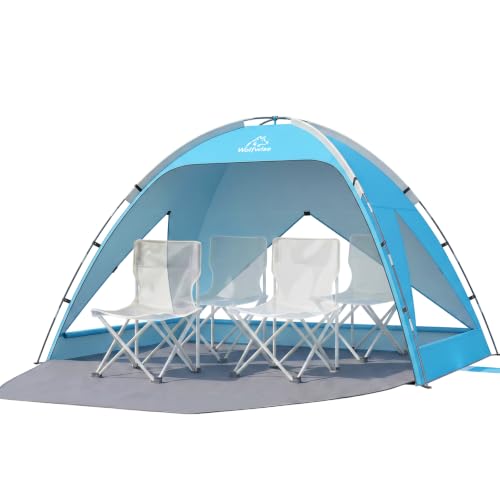
Pop Up Beach Tent Sun Shade Shelter: Your Ultimate Land & Sea Companion
Find the perfect balance of UV protection, wind resistance, and instant setup for your beach days. Expert advice for choosing a shelter that works on sand, grass, or rocky shores.
Key Insight: A high-quality pop up beach tent is more than shade—it's your base camp against harmful UV rays, sudden gusts, and blazing heat. Whether you're a solo sunbather or a family building sandcastles, the right shelter transforms your beach experience.
Why a Dedicated Beach Sun Shade Shelter Matters
Standard camping tents are designed for overnight stays with full rain protection, but a beach-specific pop up shelter prioritizes ventilation, UV reflection, and open views. These shelters use lightweight, rust-resistant materials like aluminum hubs and fiberglass poles. They are engineered to handle the unique challenges of coastal environments: corrosive salt air, intense midday sun, and constantly shifting sand. Unlike a heavy-duty camping gear setup, a pop up beach tent opens in seconds, weighs under 10 pounds, and often features sand pockets or auger anchors specifically designed for loose terrain. The extended floor panels, often called "land and sea" extensions, let you dig into the sand for extra stability while keeping your cooler and bags out of the tide's reach. For families, this means a dedicated nap zone for kids, and for anglers, a shaded spot to watch the surf.
UV Protection & Fabric Technology
A premium shelter must offer UPF 50+ coating. Look for silver-coated polyester or Oxford fabric that blocks 98% of UVA/UVB rays. This isn't just about comfort—it's a critical safety feature for prolonged sun exposure. The fabric should also have a waterproof PU coating (800mm-1500mm) to handle unexpected sea spray or light rain, though the open design prioritizes airflow over total waterproofing seen in camping tarps.
Wind Resistance & Stability Systems
Beach winds can destroy a poorly anchored shelter in minutes. The best models combine multiple anchor points: sandbags you fill on-site, large auger-style stakes for deep sand, and guy lines with tension locks. Look for a low-profile, aerodynamic shape that slices through wind rather than catching it like a sail. This is vastly different from the anchor logic for a setting up a tent on the beach where full enclosure demands stronger pole geometry.
Pop-Up Hub Mechanism & Portability
The "instant pop up" design relies on a pre-attached hub system. When unpacked, it springs open automatically. You simply stake it down. Folding it back requires a specific twisting motion, but practice makes it a 30-second task. These shelters collapse into a flat, circular carry bag that easily fits in a camping bag or trunk. Unlike a multi-pole camping tent, there are no separate parts to lose in the sand.
Size, Windows, & Ventilation
Capacities range from 2-person to large 4-person+ family models. Mesh windows are non-negotiable for cross-breeze. Rear vents prevent the shelter from becoming a greenhouse. Many models feature a zippered front door that converts into a flat floor extension—the "sea" part of "land and sea"—ideal for extending your shaded footprint forward. Consider internal pockets for phones and a hook for a camping lantern.
Land and Sea Shelters vs. Standard Beach Tents
The term "land and sea" specifically describes shelters with an extended front floor that lies flat on the sand or grass. This design serves a dual purpose: it creates a clean, sand-free lounging area and acts as an extra anchor when weighted down. When choosing, decide between a compact, half-dome model perfect for a solo beach camping checklist trip, or a spacious cabana style with side walls for a family camping checklist outing. If you frequently camp on rocky shores or lakefronts, the ability to securely peg into harder ground (using included steel stakes) alongside sand pockets makes the shelter truly versatile for both land and sea. The price for a durable, UPF 50+ model with these features typically starts around $80+.
How to Secure Your Shelter in Under 2 Minutes
- Remove and Pop: Unzip the carry bag. With the shelter flat on the ground, release the compression strap. It will instantly pop open. Keep your face clear.
- Orientate the Wind: Point the lower back (often a solid wall or smaller vent) into the wind to prevent wind tunneling through the front opening.
- Anchor the Corners: Fill the built-in sandbags at the side corners completely. Close them tightly. Then, insert the provided auger stakes at a 45-degree angle away from the shelter in deep sand or firm soil.
- Extend the Floor: Unfold the front "land and sea" extension. Bury the far edge under 2-3 inches of sand or place heavy coolers on it to create a taught, trip-free surface.
- Guy Out: Use the attached guy lines on windy days, pulling them out to the side and securing them with additional stakes or buried driftwood logs.
Material Durability and Long-Term Care
Salt and sand are abrasive. Rinse your shelter with fresh water after every trip, paying close attention to zippers and the hub mechanism. Allow it to dry completely before packing to prevent mildew. The aluminum hubs are rust-resistant, but a light spray of silicone lubricant once a season keeps the joints crisp. The fabric's silver coating will degrade over time with constant folding; models with a thicker, 210D Oxford weave resist this best. Storing it loosely in a cool, dry place, rather than compressed in the carry bag, can extend its life significantly. For comparison, while a standard camping tent prioritizes seam tape for rain, the beach shelter's main wear point is the sand anchor system, so always check for frayed bag ties. Expect a well-maintained unit to last 3-5 years of heavy summer use, making the $80-$150 investment reasonable for the skin protection it provides.
Quick Feature Comparison
| Feature | Basic Pop Up Shelter | Premium Land & Sea Shelter |
|---|---|---|
| Material | 185T Polyester, UPF 30+ | 210D Oxford, UPF 50+ Silver Coating |
| Setup Time | ≈ 1 minute | ≈ 30 seconds (hub system) |
| Anchors | Basic plastic stakes | Metal augers + 4 sandbags + guy lines |
| Packed Size | 25" diameter disk | 22" diameter disk, lighter |
| Price Range | $80–$120 | $120–$2,500 |
| Best For | Light winds, occasional use | Coastal winds, family use, anglers |
Note: The high-end range includes large, luxury cabana-style shelters with integrated floor mats and heavy-duty frames, which can cost $500+.
Maximizing Your Shelter's Potential on Land and Sea
Beyond the standard setup, use your beach tent as a photography blind, a portable changing room, or a windbreak for a camping stove (keep extreme distance). For an overnight beach fishing trip, combine the shelter with a camping cot or a camping mat to stay off the damp sand. Always check local regulations regarding overnight beach stays, and consult resources on beach camping rules. If you are heading to a rocky beach rather than sand, use the included steel stakes on the corner loops instead of relying solely on sandbags. The inherent flexibility makes it a practical companion for any camping items list.