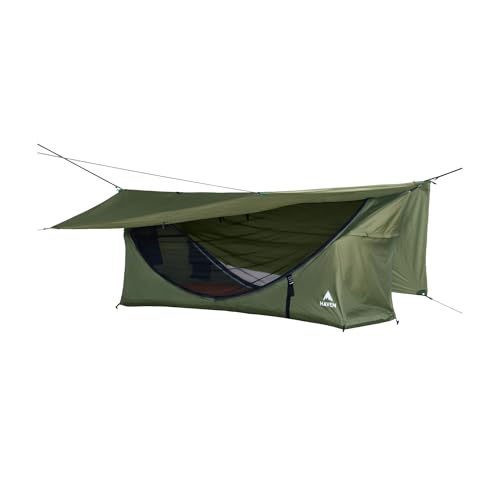
Hammock That Can Be Used As A Tent: The Complete Guide
Discover the freedom of a versatile shelter that combines the comfort of a hammock with the protection of a tent. Learn how to choose, use, and benefit from this innovative camping solution.
Why Choose a Hammock That Doubles as a Tent? For campers seeking the ultimate in versatility, a hammock that can be used as a tent represents a revolutionary leap in outdoor shelter technology. This hybrid design offers the best of both worlds: the ergonomic comfort and off-the-ground freedom of a hammock, combined with the full protection from the elements you'd expect from a traditional tent. Whether you're a seasoned backpacker looking to lighten your load or a casual camper tired of uneven, rocky ground, this guide will walk you through everything you need to know. If you're new to the concept, you might first want to understand the general Tent vs Hammock: Which Is Better? debate. This article will show you how a hammock tent elegantly solves that dilemma.
What Exactly Is a Hammock Tent?
A hammock tent, often called a camping hammock or hammock shelter system, is a complete sleep system. Unlike a simple net hammock, it is designed from the ground up to be a primary shelter. The core components typically include:
- The Hammock Body: Made from lightweight, durable, and often breathable materials like ripstop nylon or polyester. It's designed to be comfortable for sleeping on your back, side, or even stomach.
- Integrated Bug Net: A crucial feature that zips around the hammock, creating a sealed, insect-free environment. This is what elevates it from a simple lounger to a serious shelter.
- Rain Fly (Tarp): A separate, often diamond or hexagon-shaped tarp that suspends above the hammock. It provides protection from rain, wind, and even sun, creating a micro-climate underneath. The quality of the rain fly is a key differentiator between entry-level and premium models.
- Suspension System: This includes the straps, whoopie slings, or ropes used to hang the hammock between two trees. Tree-friendly straps are essential for Leave No Trace Principles and are often required in state and national parks.
When fully assembled, this system functions as a complete, portable tent. You can learn more about the basic setup in our guide on camping in a tent, as many principles of site selection and weather protection apply.
Key Benefits of Using a Hammock as a Tent
The rise in popularity of hammock camping is no accident. It offers tangible advantages that traditional ground dwellers can't match.
1. Unmatched Comfort and Ergonomics
When hung at the correct 30-degree angle, a camping hammock allows you to sleep flat, eliminating the "banana" curve. This can be a game-changer for side sleepers and those with back pain. Unlike a thin sleeping pad on hard ground, a hammock cradles your body, distributing pressure evenly. This comfort is often cited as the primary reason campers make the switch. For those who struggle with ground sleeping, the question of the most comfortable way to sleep in a tent often leads them to a hammock solution.
2. Lightweight and Compact
A complete hammock tent system, including suspension and rain fly, can often weigh less than a comparable one-person backpacking tent. They pack down extremely small, making them ideal for long-distance hikes where every ounce and cubic inch counts. If you are into ultra-light backpacking gear, a hammock is a strong contender for your shelter of choice.
3. Versatility Across Terrain
Rocky, uneven, or wet ground? No problem. A hammock tent only requires two sturdy anchor points. This opens up campsites that are inaccessible to tent campers, from sloped hillsides to dense forests. However, you need to be aware of regulations; always check State Park Rules and BLM Camping Rules regarding hammock hanging to ensure you're protecting the trees and following local guidelines.
4. Off-the-Ground Protection
Being elevated keeps you away from damp ground, crawling insects, and minor flooding. This can make a significant difference in areas with heavy dew or unpredictable weather. It provides a psychological sense of security and cleanliness that many campers appreciate.
Pro Tip: Always use wide, tree-friendly straps that are at least 1.5 inches wide to protect the bark of the trees you are hanging from. Never use ropes, cords, or chains directly around a tree.
How to Choose the Right Hammock Tent for Your Needs
Selecting the right system depends on your camping style, climate, and priorities. Here’s what to look for:
Consider Your Camping Style
Are you a solo backpacker, a couple, or part of a family? Solo campers will prioritize low weight and a compact pack size. Couples might look for a two-person hammock tent with a larger rain fly for shared coverage. For a broader look at how this fits into different camping styles, see our guide on Camping Styles.
Assess the Climate and Season
For three-season camping (spring, summer, fall), a standard hammock with a bug net and a decent rain fly is sufficient. For winter or extreme cold, you'll need an 4-season tent equivalent. This means a hammock with a full-coverage, winter-grade tarp and an underquilt to prevent heat loss from your back. This is a critical part of winter camping gear for hammock users.
Component Quality and Tiers
You can classify hammock tent systems into three main tiers, which will help you set your expectations.
- Entry-Level: These systems are budget-friendly and often include a basic hammock, a simple bug net, and a small rain fly. They are great for occasional summer use and fair weather. The suspension might be heavier or less adjustable. This is a good starting point for a first-time camping trip.
- Mid-Range: This is the sweet spot for most campers. Mid-tier models feature higher-quality materials (e.g., lighter ripstop nylon), better zippers, and a more substantial rain fly with more coverage. The suspension system is typically more refined and easier to adjust.
- Premium: Top-tier hammock tents are engineered for serious adventurers. They use ultralight fabrics like Dyneema Composite Fabric (DCF), have meticulously designed rain flies with doors for full storm protection, and come with high-end suspension systems. The craftsmanship and materials are superior, offering the best weight-to-durability ratio. The question of are expensive tents worth it? is equally applicable here; for a thru-hiker or a dedicated backpacker, the answer is often a resounding yes.
How to Set Up Your Hammock Tent: A Step-by-Step Guide
Setting up a hammock shelter is straightforward once you know the basics. For a more detailed walkthrough, our guide on camping in a tent in the rain offers principles that translate well to hammock camping, especially when it comes to tarp deployment.
- Find the Perfect Trees: Look for two healthy, living trees that are 12 to 15 feet apart. Avoid dead or damaged trees. The trees should be at least 6 inches in diameter.
- Attach Your Suspension: Wrap your tree-friendly straps around each tree, at a height slightly above your head. Feed the hammock's continuous loop or carabiner through the strap.
- Achieve the 30-Degree Angle: This is the most important step for comfort. The suspension lines should hang at roughly a 30-degree angle relative to the ground. If they are too tight (closer to horizontal), you'll be forced into a "banana" shape. If they are too loose, you'll be closer to the ground.
- Deploy the Bug Net: Zip the integrated bug net closed around you. Ensure it's properly attached to the hammock's ridgeline if it has one.
- Pitch the Rain Fly: The rain fly is your roof. Suspend it above the hammock using the same trees or separate lines. Position it to block prevailing wind and rain. In a storm, you'll want to pitch it low and tight. For cold weather, learn more in our guide on keeping a tent warm in cold weather, as the principles of blocking wind and trapping heat are identical.
Essential Gear to Complete Your Hammock Tent Setup
A hammock tent is the core of your shelter, but you'll need a few other items for a complete and comfortable experience.
- Underquilt: This is the most critical piece of insulation. A sleeping bag is compressed under your weight in a hammock, losing its insulating properties. An underquilt hangs underneath the hammock to trap warmth. This is a key consideration for any sleeping bag temperature guide when transitioning to hammock camping.
- Top Quilt or Sleeping Bag: You'll still need a top layer for insulation. Many hammock campers prefer a top quilt, which is like a sleeping bag without a back, as it's easier to get in and out of.
- Camp Pillow: A small, compressible camping pillow can significantly improve your sleep quality.
- A Reliable Light Source: A camping lantern or a headlamp is essential for navigating around camp and finding your hammock in the dark.
- Weather Protection: Always check the forecast and be prepared with appropriate winter clothing guide or rain gear.
Common Hammock Camping Mistakes to Avoid
Avoid these pitfalls for a smooth and enjoyable experience.
- Hanging Too Tight: The "banana" hang is the number one mistake. Always aim for that 30-degree angle. If you're new to this, our article on first time camping tips is a great resource.
- Neglecting Insulation: Underestimating the need for an underquilt can lead to a very cold night, even in mild temperatures. Cold weather in a hammock is a common beginner's challenge, as discussed in our guide on sleeping in a tent in cold weather.
- Poor Campsite Selection: Don't hang over dead branches (widowmakers), near water sources that could flood, or in areas with high winds. Follow principles similar to those in our What to Do If Lost guide for general outdoor safety.
- Ignoring Regulations: Many parks have specific rules about hammock use. Always check local guidelines to avoid fines and to protect the environment.
- Damaging Trees: Using thin ropes or straps that are too narrow will damage the tree's bark and vascular system. Always use proper tree straps.
Is a Hammock Tent Right for You?
For many campers, a hammock that can be used as a tent is the ideal choice. It's perfect for:
- Solo Adventurers: Lightweight and quick to set up.
- Backpackers: A way to shed significant weight from your pack.
- Campers in Rocky or Wet Terrain: A solution for uncomfortable ground.
- Anyone Seeking Superior Comfort: A great night's sleep in the outdoors.
However, if you frequently camp in the desert, above the treeline, or in areas where two suitable trees are impossible to find, a traditional tent remains the more practical choice. But for the vast majority of forested campsites, a hammock tent is a liberating and comfortable upgrade. When planning your next trip, consider the general things you need when you go camping, and whether a hammock system can replace your traditional tent. It's also a key consideration in how to choose tent size, as it completely changes the calculus.