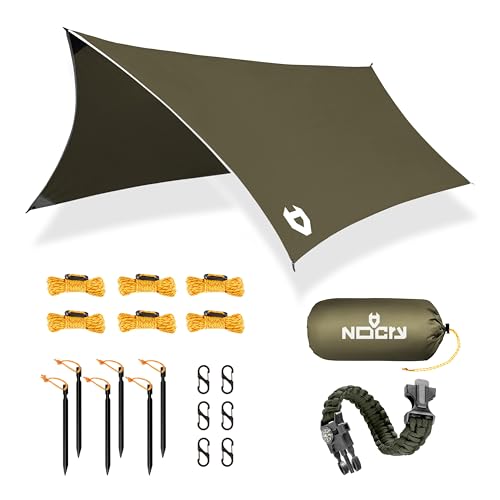
Rain Fly Guide: Protect Your Tent From Rain, Wind & Condensation
A rain fly is the single most important weather-protection layer on a camping tent. This guide explains how rain flies work, how to choose the right coverage for your tent, and how to set one up so you stay dry when the weather turns.
Choose the Right Rain FlyWhy a rain fly matters: Tent bodies are designed for ventilation, not total waterproofing. The rain fly is the waterproof shell that keeps rain out, reduces condensation inside, blocks wind, and adds a layer of warmth. A properly fitted fly can turn a fair-weather tent into a reliable three-season shelter.
What Is a Rain Fly and How Does It Work?
A rain fly (also called a tent fly, flysheet, or storm fly) is a removable waterproof cover that fits over the tent body. It extends beyond the tent walls to create an overhang, so rain runs off the fly and away from the doors and seams instead of soaking through the inner tent fabric. Most modern tents include a rain fly as standard, but coverage varies widely, and upgrading the fly is one of the most effective ways to improve weather resistance.
A rain fly works on three principles. First, its coated fabric sheds water rather than absorbing it. Second, the gap between the fly and the tent body creates an air buffer that reduces condensation and adds insulation. Third, the fly's staked-out edges and vestibules keep wind-driven rain away from zippers and vents. If you are still deciding on your shelter, our guide to pitching a tent explains how the fly integrates with the full setup, and campers who want a weather-ready shelter without pitching a separate tent often start with a camp shelter system.
Anatomy of a Rain Fly: The Parts That Matter
Understanding the components helps you compare models and judge whether a fly will actually keep you dry.
- Coated fabric panels: The main waterproof surface, usually polyester or nylon with a polyurethane or silicone coating.
- Ridge and pole sleeves or clips: Attachment points that tension the fly over the tent's poles so it does not sag and pool water.
- Vestibule extensions: Extra fabric beyond the doors that creates covered storage for boots and packs.
- Guy-out loops: Reinforced points where guy lines attach, letting you pull the fly taut in wind or angle it away from rain.
- Vents: Covered openings that let humid air escape, reducing condensation on the fly's underside.
- Seams and taped joints: The weakest points; quality flies have factory-taped seams to stop water wicking through stitching.
Rain Fly Materials: Polyester vs Nylon vs Silicone Coatings
The fabric and coating determine how waterproof, durable, and packable a rain fly is. The table below summarizes the trade-offs using quality tiers rather than prices, so it stays useful as the market changes.
| Material | Water Resistance | Durability | Best For | Typical Tier |
|---|---|---|---|---|
| Coated polyester | Good, resists UV and sagging | High, holds shape when wet | Family camping, car camping, long trips | Entry-level |
| Coated nylon | Very good, lighter weight | Moderate, can stretch when wet | Backpacking, three-season tents | Mid-range |
| Silicone-coated nylon | Excellent, high hydrostatic head | Very high, minimal sag | Expedition, winter, wet climates | Premium |
| Dyed or multi-layer laminates | Outstanding, wind and rain proof | Outstanding, long service life | Four-season and luxury shelters | Luxury |
For most campers, a coated polyester fly is the practical choice: it resists UV degradation, does not sag badly in rain, and handles repeated folding. Backpackers usually accept nylon's lighter weight in exchange for slightly more care. If your trips involve cold rain or snow, our winter tents guide covers fly systems built for serious weather, and heated tent setups often combine a heavy fly with an insulated inner.
Rain Fly Coverage Types: Which One Keeps You Driest?
Coverage is the most important specification after material. A fly that stops halfway down the tent walls leaves the lower body exposed to splash and wind-driven rain.
| Coverage Type | Description | Rain Protection | Best Use |
|---|---|---|---|
| Minimal / partial fly | Covers the roof only, sometimes called a cap fly | Basic, fine for light showers | Warm dry climates, summer camping |
| Three-quarter fly | Covers roof and upper walls, leaves lower walls exposed | Moderate, splash can reach the body | Mild three-season camping |
| Full-coverage fly | Extends nearly to the ground on all sides | High, blocks wind-driven rain and splash | Rainy regions, windy exposed sites |
| Full-coverage with vestibules | Full walls plus extended covered entry areas | Very high, dry storage and entry | Family camping, extended trips, cold rain |
Full-coverage flies are the safest default for anyone camping where rain is likely. They also reduce drafts, which helps on cold nights. Campers who want an even larger dry zone often pair a full fly with a camping canopy over the picnic area, and a waterproof tarp can be pitched as an extra roof for group shelters.
How to Set Up a Rain Fly Correctly
A rain fly only performs well when it is tensioned properly. A loose fly flaps, pools water, and can invert in gusts. Follow these steps for a tight, water-shedding setup.
- Pitch the tent body first and stake it out fully so the walls are taut and square.
- Drape the fly over the poles with the front and back oriented correctly, matching vents and doors.
- Attach clips or buckles at the corners and midpoints, working from the center outward.
- Connect guy lines at the fly's reinforced loops and stake them out at an angle away from the tent.
- Tension the fly so there is a gap between fly and body, but no slack that can sag or flap.
- Stake out vestibules last, pulling them away from the doors for ventilation and dry entry.
If you expect rain during setup, practice a fast pitch so the fly goes on within minutes. Our step-by-step guide to setting up a tent in the rain walks through that sequence. In winter, the same principles apply with cold-weather adjustments, covered in setting up a tent on snow. Campers who pitch on hard or unusual surfaces should also read setting up a tent on a platform and setting up a tent on the beach, since staking and wind exposure change the fly's behavior.
Rain Fly and Condensation: The Hidden Trade-Off
Every rain fly traps some moisture because it blocks airflow. The key is to let humid air escape while keeping rain out.
Condensation is worse in humid or cold conditions and when several people share a tent. Full-coverage flies with covered vents manage it best. Winter campers should review keeping a tent warm in cold weather and sleeping in a tent in cold weather, because ventilation and warmth must be balanced carefully. For hammock campers, fly design is even more central; see hammock that can be used as a tent for the integrated approach.
How to Choose a Rain Fly: A Buyer's Checklist
Use the checklist below to evaluate any replacement or upgrade fly before you commit.
- Exact tent model match: Flies are cut for specific pole geometries. A generic fly will not tension correctly.
- Full coverage: Look for fabric that reaches near the ground on all sides, not just over the roof.
- Taped seams: Factory seam tape stops wicking through stitch holes.
- Ventilation: Covered vents reduce condensation without letting rain in.
- Guy-out points: Reinforced loops let you handle wind and angle the fly away from rain.
- Vestibule size: A larger vestibule keeps gear and boots dry and gives you a sheltered entry.
- Coating quality: Silicone or multi-layer coatings last longer and sag less than basic coatings.
- Weight: Backpackers should prioritize lighter nylon; car campers can choose heavier, more durable polyester.
If you are still selecting a tent to pair with a fly, our guides on how to choose tent size and how long tents last help set expectations for lifespan and coverage. Campers comparing shelter styles should also read tent vs hammock and are expensive tents worth it, both of which touch on fly quality as a differentiator.
Rain Fly Maintenance and Repair
A rain fly lasts longer with minimal care. Dry it completely before storing to prevent mildew, and avoid folding it along the same creases every time. Clean with mild soap and water, never harsh detergents, and re-apply a spray-on water repellent when water stops beading. For small punctures, use self-adhesive repair patches on both sides of the fabric. If seams begin to leak, apply seam sealant along the inside of the stitch line.
Inspect the fly before every trip, especially guy-out loops and clips, since those take the most stress in wind. A spare set of guy lines and a few extra stakes are cheap insurance. Campers who camp in exposed or coastal sites should review seaside camping for wind and salt considerations, and coastal campgrounds for site selection that reduces fly stress.
Related Shelter and Weather Guides
Rain flies rarely work alone. These guides cover the shelter systems and weather skills that pair well with a quality fly.
Frequently Asked Questions About Rain Flies
What is a rain fly on a tent?
A rain fly is a waterproof outer cover that fits over the top of a tent, extending down the sides to protect the tent body and occupants from rain, wind, and condensation. It is typically made from coated polyester or nylon and attaches via clips, loops, or poles.
Do I really need a rain fly?
Yes, for any camping where rain is possible. Even in dry climates, rain flies help manage condensation and add a windproof layer. Most modern tents include a rain fly, and upgrading to a full-coverage or vestibule-style fly significantly improves weather protection.
What is the difference between a rain fly and a tarp?
A rain fly is custom-fitted to a specific tent, while a tarp is a flat sheet used for many purposes, including makeshift shelter. Rain flies integrate with tent poles and clips, whereas tarps require separate stakes and lines. Many campers use waterproof tarps as supplementary shelter over picnic areas or as an extra layer over a rain fly.
How do I set up a rain fly in the rain?
Set up the tent body first with the fly close at hand. Attach the fly quickly using clips or buckles, starting with the corners and working toward the center. If your fly has a vestibule, stake it out last. For detailed steps, see our guide on how to set up a tent in the rain.
Can I use a rain fly without a tent?
Yes, some campers use rain flies as minimalist shelters with trekking poles or trees. However, they provide less bug protection and ground coverage than a full tent. For hammock campers, rain flies are essential and are designed to work with hammock suspension systems. See hammock that can be used as a tent for that setup.