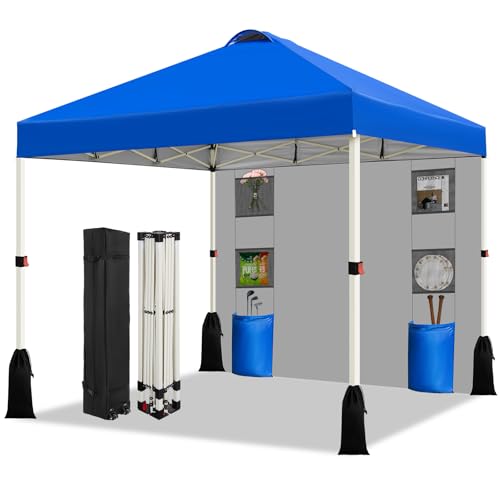
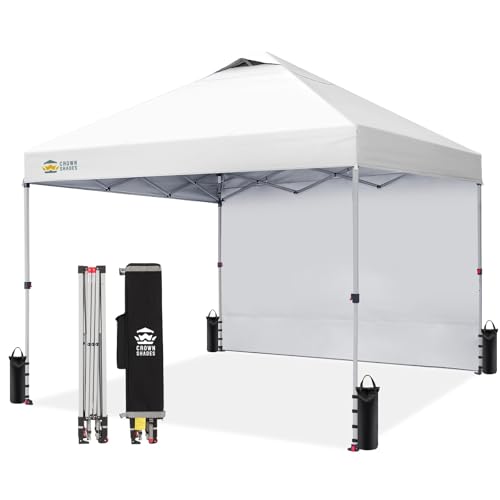
Instant Canopy Guide: The Ultimate Portable Shelter Handbook
Everything you need to know before choosing a pop-up canopy for camping, tailgating, or backyard shade.
Why an instant canopy? An instant canopy—also called a pop-up canopy, folding canopy, or portable canopy—is one of the most versatile outdoor investments you can make. It provides shade, rain protection, and a dedicated space for cooking, socializing, or simply relaxing. Unlike traditional tents, an instant canopy deploys in seconds, often with just one person, and can be moved easily as the sun shifts. This guide will walk you through the critical factors: frame construction, canopy fabric, size options, and practical use cases, so you can choose a model that fits your needs for years to come.
Frame Types: Steel, Aluminum, and Beyond
The frame is the skeleton of any instant canopy and directly affects weight, durability, and ease of setup. Steel frames are common in budget-friendly and mid-range models. They are sturdy and handle wind well, but they are heavier—often requiring two people for transport. Aluminum frames are lighter and resist rust, making them ideal for frequent campers or those who need to carry the canopy short distances. They tend to cost more but offer a better strength-to-weight ratio. For a deeper look at how canopy frames compare to other camping shelters, see our discussion on camping canopy types.
When examining a frame, look for reinforced joints and truss supports. Entry-level canopies often use plastic connectors that can crack under stress, while premium models feature metal hubs and cross-bracing. If you plan to use your canopy in windy conditions, a frame with a high wind rating is essential. Many manufacturers offer weight bags or stakes as separate accessories; always use them. For a related shelter style, consider how a portable canopy differs from a permanent structure.
Canopy Fabric: Weather Protection That Lasts
The canopy top is your primary defense against sun and rain. Most instant canopies use polyester or oxford cloth with a polyurethane coating. The key spec is the denier (D) and the waterproof rating (measured in mm). Entry-level canopies often use 150D fabric with a 500mm rating—fine for light drizzle but not a downpour. Mid-range and high-end models typically use 300D to 600D fabric with 1000mm to 2000mm ratings, which handle heavy rain and block more UV rays.
UV protection is often expressed as UPF (Ultraviolet Protection Factor). A UPF 50+ canopy blocks 98% of UV rays—critical for long days outdoors. Some canopies include a silver-coated underside to reflect heat, keeping the space underneath noticeably cooler. If you camp in variable weather, look for a canopy with taped seams and a vented top to reduce wind lift. For a more traditional shelter option, compare this with a folding canopy that may prioritize different features.
Size and Shape: Finding the Right Footprint
Instant canopies come in several standard sizes. The most popular is 10x10 feet, which provides about 100 square feet of shade—enough for a picnic table and a few chairs. 12x12 canopies offer more room for larger groups or gear, while 8x8 canopies are compact and easy to handle solo. If you need a long, narrow shelter for a campsite kitchen or a vendor booth, consider a 10x20 canopy. For a detailed comparison of large options, see our guide to 12x12 canopies.
Shape also matters. Square canopies are the most common and offer straightforward coverage. Hexagonal or octagonal canopies provide a more wind-resistant profile but can be harder to find accessories for. Slant-leg canopies have angled legs that increase stability and usable space at the base, while straight-leg canopies offer a more traditional look. If you're specifically looking for an 8x8 canopy, check the leg style and included accessories carefully.
Setup, Portability, and Must-Have Accessories
One of the biggest advantages of an instant canopy is setup speed. Most models use a scissor-action frame that expands when you pull the legs outward. A single person can usually set up a 10x10 canopy in under two minutes. However, always secure the canopy immediately with stakes or weight bags—a sudden gust can turn an unsecured canopy into a dangerous projectile. For tips on anchoring in different ground conditions, see our article on pitching a tent, which shares similar principles.
Portability depends on the frame material and the included carry bag. Wheeled carry bags are a game-changer for heavy steel canopies. Look for a bag with reinforced handles and extra pockets for stakes and ropes. Side walls, screen panels, and weight bags are common add-ons that expand functionality. If you plan to use your canopy for camping, a rain fly can add an extra layer of protection. For those who need a more permanent or decorative shelter, a portable gazebo might be worth considering.
Use Cases: From Campsite to Backyard
An instant canopy shines in many scenarios. Camping: Use it as a shade shelter over your picnic table or as a cooking area away from your tent. Pair it with a camp shelter for a complete basecamp. Tailgating and events: A vendor tent or 10x10 canopy with sides provides a professional setup. Backyard: A backyard tent or simple canopy offers instant shade for parties or a quiet reading spot. Beach and park: A lightweight portable canopy is easier to transport than a traditional beach umbrella and provides more coverage.
Always check local regulations before setting up a canopy in public spaces. Some parks require permits for structures over a certain size. Also, never leave a canopy unattended in windy conditions. For a comprehensive list of gear to pair with your canopy, see our camping list. If you're new to camping, our first-time camping tips will help you prepare.
Maintenance: Making Your Canopy Last
Proper care extends the life of your instant canopy. Always dry the canopy fabric completely before storing it to prevent mold and mildew. Clean with mild soap and water—avoid harsh chemicals that can strip waterproof coatings. Inspect the frame for bent legs or cracked joints after each use. Lubricate moving parts with a silicone spray if they become stiff. Store the canopy in a cool, dry place, ideally in its carry bag. If you camp in cold weather, remember that plastic and metal can become brittle; handle with care. For winter-specific shelter advice, see our winter camping section.
Common Mistakes to Avoid When Buying an Instant Canopy
- Ignoring wind ratings: A canopy that performs well in calm conditions may collapse in a gust. Always check the wind rating and use anchors.
- Underestimating weight: Steel canopies can weigh 40–60 pounds. If you need to carry it far, choose aluminum.
- Skipping the UPF rating: Not all canopies block harmful UV rays. Look for UPF 50+ for serious sun protection.
- Forgetting accessories: Side walls, weights, and stakes are often sold separately. Factor these into your decision.
- Not checking local rules: Some campgrounds and parks restrict canopy use. A quick call ahead can save frustration.
Frequently Asked Questions
Can I use an instant canopy for camping?
Absolutely. Many campers use a 10x10 or 12x12 canopy as a shade shelter over their picnic table or cooking area. Just ensure you stake it down properly and choose a model with good UV protection.
What's the difference between an instant canopy and a pop-up tent?
An instant canopy is an open-sided shelter, while a pop-up tent is fully enclosed. Canopies are for shade and quick setup; tents are for sleeping and privacy. Some models combine features, like a pop-up tent you can stand up in.
How do I secure an instant canopy on concrete?
Use weight bags filled with sand or water. Some canopies come with pre-drilled feet for bolting down. For concrete, weights are the most practical solution. See our guide on tents that can be set up on concrete for related tips.
Are expensive canopies worth it?
High-end canopies often use thicker fabric, reinforced frames, and better warranty coverage. If you use your canopy frequently or in harsh conditions, the investment pays off. For occasional use, a mid-range model is usually sufficient. Compare this to the logic in are expensive tents worth it.