Heated Tent Guide: Stay Warm on Every Winter Adventure
Winter camping offers a magical experience—snow-covered landscapes, peaceful silence, and the thrill of braving the cold. But staying warm is essential for safety and comfort. A heated tent transforms winter camping from a survival challenge into a cozy retreat. Whether you use a wood stove, propane heater, or electric heater, the right heated tent keeps you warm and comfortable all night long. This guide covers everything you need to know about heated tents, from stove jacks and insulation to safety considerations and top features to look for.
Why Choose a Heated Tent for Winter Camping?
Traditional camping tents are designed for mild weather. In freezing temperatures, they offer little insulation, and condensation can freeze inside, making for a cold and uncomfortable night. A heated tent solves these problems by providing a safe way to introduce a heat source. This allows you to dry wet clothing, cook inside, and sleep comfortably even when temperatures drop well below freezing.
Heated tents are also popular among hunters, ice fishermen, and winter adventurers who need a reliable base camp. They extend your camping season into the colder months, opening up new opportunities for exploration. If you're new to winter camping, our guide to winter camping is a great starting point. For a complete list of gear, see our winter camping gear guide.
Types of Heated Tents
Hot Tents with Wood Stoves
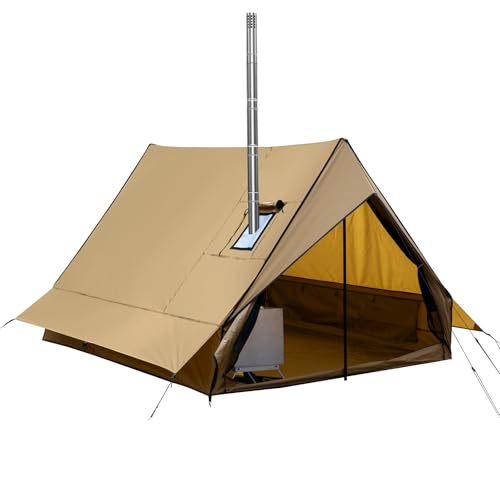
Hot tents are designed specifically for use with a wood stove. They feature a stove jack—a fire-resistant opening in the roof or wall—that allows the stovepipe to vent smoke outside. These tents are typically made from heavy-duty canvas or heat-resistant synthetic materials. Wood stoves provide excellent heat and can also be used for cooking. They require more setup and maintenance than other options but offer unmatched warmth and ambiance. For more on this style, see our guide to hot tent camping.
Tents with Propane Heaters
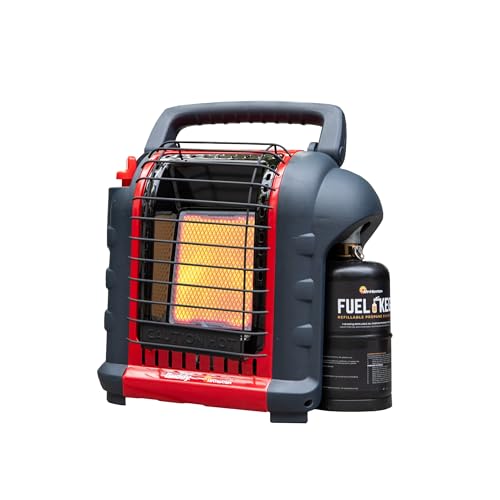
Propane heaters are a convenient option for heated tents. They are easy to use, produce consistent heat, and don't require tending like a wood stove. However, propane heaters produce carbon monoxide, so proper ventilation is essential. Look for heaters rated for indoor use and always keep a vent open. Some tents are designed with ventilation panels specifically for use with propane heaters.
Tents with Electric Heaters
Electric heaters are the safest and easiest option—if you have access to power. They are ideal for campgrounds with electrical hookups or for car camping with a portable power station. Electric heaters produce no emissions, so ventilation is less of a concern. However, they draw significant power, so you'll need a robust power source. For portable power options, see our guide to portable power stations.
Insulated Tents
Some tents are designed with insulation to retain heat without an active heat source. These tents feature multiple layers of fabric, reflective linings, or insulated walls. While they won't be as warm as a tent with a stove, they are a good option for those who prefer not to use a heat source. Insulated tents are also useful in combination with a heater, maximizing heat retention. Explore options for winter tents for more information.
Key Features to Consider When Buying a Heated Tent
Stove Jack
If you plan to use a wood stove, a stove jack is essential. It should be made from fire-resistant material and positioned to allow proper clearance for the stovepipe. Some tents come with pre-installed stove jacks, while others require you to install one yourself. Ensure the stove jack is compatible with your stovepipe diameter.
Material and Insulation
Heated tents are typically made from heavy-duty canvas or heat-resistant synthetic materials. Canvas is breathable and durable, while synthetic materials are lighter and more water-resistant. Insulation adds warmth and reduces condensation. Look for tents with insulated walls, reflective linings, or double-layer construction. For cold-weather performance, check the tent's temperature rating and season rating. A 4-season tent with a stove jack is ideal for extreme conditions.
Ventilation
Proper ventilation is critical when using any heat source. Look for tents with adjustable vents, mesh panels, or windows. Good ventilation prevents carbon monoxide buildup and reduces condensation. Even with a wood stove, some ventilation is necessary to allow fresh air to circulate.
Size and Layout
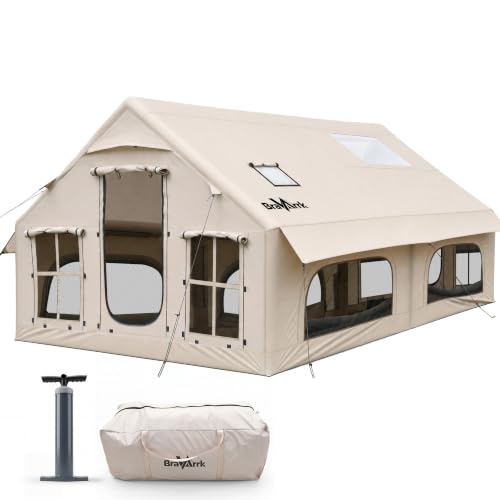
Heated tents come in various sizes, from small solo tents to large base camp models. Consider how many people will be using the tent and how much gear you need to store. A larger tent allows for more comfortable living space and better heat distribution. Some tents feature multiple rooms, allowing you to separate sleeping and living areas. For larger groups, explore options for a large tent or big tents.
Ease of Setup
Heated tents can be heavy and complex to set up, especially those with wood stoves. Look for tents with intuitive pole systems and clear instructions. Some models feature inflatable frames or quick-pitch designs. If you'll be setting up in cold or windy conditions, practice at home before your trip. For tips on setup in snow, see our guide to setting up a tent on snow.
Safety Considerations for Heated Tents
Safety is the most important consideration when using a heated tent. Carbon monoxide poisoning is a serious risk with any fuel-burning heater. Always ensure proper ventilation and use a carbon monoxide detector. Never sleep with a propane heater running unless the tent is specifically designed for it and has adequate ventilation.
Fire safety is equally important. Keep all flammable materials away from the heat source. Use a fire-resistant mat under wood stoves and ensure the stovepipe is properly insulated where it passes through the stove jack. Never leave a fire unattended. For more on fire safety, see our guide to campfire safety rules.
Before your trip, read the manufacturer's instructions for both your tent and your heater. Follow all safety guidelines and never modify your equipment. If you're unsure about any aspect of using a heated tent, consult an expert or take a winter camping course. Proper preparation ensures a safe and enjoyable experience. For emergency preparedness, see our guide to winter emergency kits.
Tips for Getting the Most Out of Your Heated Tent
- Insulate the floor: Use a thick sleeping pad or a layer of foam insulation under your sleeping bag to prevent heat loss through the ground.
- Use a groundsheet: A groundsheet protects the tent floor and adds an extra layer of insulation.
- Manage condensation: Ventilate your tent regularly to prevent moisture buildup. Condensation can freeze and make the tent damp and cold.
- Layer your clothing: Even with a heated tent, layering is essential. Wear moisture-wicking base layers and insulating mid-layers. See our guide to layering clothing for winter.
- Prepare your stove: Practice lighting and operating your stove before your trip. Bring enough fuel and a backup ignition source.
- Monitor the temperature: Use a thermometer to monitor the temperature inside and outside the tent. Adjust your heating accordingly.
- Never leave children or pets unattended: Heated tents require constant supervision, especially when a stove or heater is in use.
Frequently Asked Questions About Heated Tents
What is a heated tent?
A heated tent is a tent designed to accommodate a heat source, such as a wood stove, propane heater, or electric heater. These tents typically feature a stove jack, fire-resistant materials, and insulated walls to retain warmth in cold conditions.
Is it safe to use a heater inside a tent?
Safety depends on the type of heater and tent. Wood stoves designed for tents are safe when installed correctly with proper ventilation and clearance. Propane and electric heaters must be rated for indoor use and used with adequate ventilation to prevent carbon monoxide buildup. Always follow the manufacturer's instructions.
What is a stove jack?
A stove jack is a fire-resistant opening in the roof or wall of a tent that allows a stovepipe to pass through safely. It protects the tent fabric from heat and prevents smoke from entering the tent.
Can I use a regular tent with a heater?
Using a heater in a regular tent is not recommended unless the tent is specifically designed for it. Regular tents lack fire-resistant materials and stove jacks, increasing the risk of fire or carbon monoxide poisoning. Always use a tent rated for heating.
Final Thoughts: Embrace Winter with a Heated Tent
A heated tent opens up a world of winter camping possibilities. With the right gear and proper safety precautions, you can enjoy the beauty of winter while staying warm and comfortable. Whether you choose a wood stove, propane heater, or electric heater, the key is to match your equipment to your needs and always prioritize safety. Explore our recommended options below and start planning your next winter adventure. For more cold-weather tips, see our guides to winter camping heaters and how to stay warm in winter.