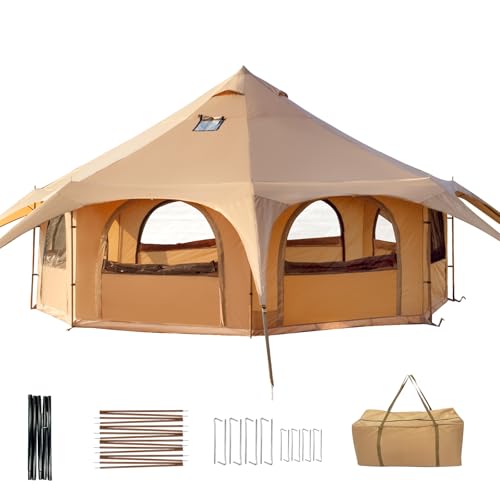
The Complete Bell Tent Guide: Canvas Shelter for Glamping & Adventure
Discover why bell tents are the ultimate choice for glamping, family camping, and four-season adventures. Learn about materials, stove jacks, sizing, and expert pitching tips.
START EXPLORINGWhy Bell Tents? With their iconic conical shape and spacious interior, bell tents offer a unique blend of tradition, durability, and comfort. Whether you're a seasoned camper or a first-time glamper, this guide will help you understand everything you need to know before choosing your perfect bell tent.
What Is a Bell Tent and Why Choose One?
A bell tent is a conical canvas tent supported by a single central pole and tensioned by guy ropes, creating a circular floor plan that maximizes interior space. Originally designed for military use in the 19th century, bell tents have evolved into a favorite among glampers, festival-goers, and families seeking a comfortable outdoor retreat. Unlike modern dome tents, the vertical walls of a bell tent allow adults to stand upright throughout the entire interior, making it feel more like a room than a shelter. This design also provides excellent headroom and allows for the use of wood-burning stoves, making them suitable for winter camping and extended trips.
The appeal of a bell tent lies in its simplicity and timeless aesthetic. The single-pole structure means setup is straightforward once you understand the tensioning process, and the canvas material breathes better than synthetic fabrics, reducing condensation. For those who prioritize comfort and atmosphere, a bell tent transforms camping into a cozy, memorable experience. If you're new to tent camping, you might also want to explore our guide on how to choose tent size to compare bell tents with other shelter types.
Key Features of a Quality Bell Tent
Not all bell tents are created equal. The quality of materials, construction, and included features varies significantly across entry-level, mid-range, and premium models. Understanding these components will help you make an informed decision.
Materials & Construction
- Canvas Weight: Measured in oz/yd², heavier canvas (10 oz and above) offers better durability and weather resistance. Entry-level tents often use lighter canvas, while premium models feature 12 oz or heavier.
- Material Type: 100% cotton canvas is breathable and durable. Polycotton blends are lighter and more mildew-resistant but may not breathe as well.
- Waterproofing: Look for tents with waterproof treatments and sealed seams. Some premium models feature double-stitched seams and reinforced stress points.
- Floor Material: A heavy-duty, PVC or bathtub-style floor is essential for ground moisture protection. Detachable floors are a bonus for easy cleaning.
Structural Features
- Center Pole: Usually made of steel or aluminum. Aluminum is lighter but more expensive; steel is heavier but more affordable.
- Stove Jack: A heat-resistant port for a wood-burning stove. Essential for cold-weather camping. Many models offer this as an optional add-on.
- Doors & Windows: Multiple doors (often 2-3) improve ventilation and access. Mesh windows with canvas covers provide airflow without bugs.
- Groundsheet: A zipped-in or detachable groundsheet keeps out moisture and pests. Bathtub-style edges prevent water ingress.
Bell Tent Sizes: Finding the Perfect Fit
Bell tents are measured by their diameter (e.g., 3m, 4m, 5m, 6m, 7m). The right size depends on how many people will sleep in it and how you plan to use the space. A common rule of thumb is to choose a tent that is at least one size larger than the number of occupants for comfortable living space.
| Diameter | Sleeping Capacity | Best For | Key Considerations |
|---|---|---|---|
| 3m (10ft) | 2 people | Couples, solo glampers | Compact and easy to pitch. Limited space for gear. Entry-level models often come in this size. |
| 4m (13ft) | 2-4 people | Small families, couples with gear | Popular mid-range size. Good balance of space and portability. Fits a stove comfortably. |
| 5m (16ft) | 4-6 people | Families, groups | Spacious interior with room for furniture. Heavier and requires more effort to pitch. |
| 6m (20ft) | 6-8 people | Large families, glamping setups | Premium models often available in this size. Requires significant space and two people to pitch. |
| 7m (23ft) | 8+ people | Events, group glamping | Luxury tier. Very heavy and best for semi-permanent setups. |
When choosing a size, consider not just sleeping arrangements but also standing room, storage for gear, and whether you plan to use a stove or furniture. A 4m tent is often the sweet spot for small families, while a 5m or 6m tent offers the feel of a genuine glamping retreat. For those interested in semi-permanent structures, a house yurt or yurt kit might be a more permanent alternative to a bell tent.
Pros and Cons of Bell Tents
Like any shelter, bell tents have distinct advantages and disadvantages. Weighing these against your camping style will help you decide if a bell tent is right for you.
✓ Advantages
- Standing Height: Vertical walls allow adults to stand anywhere inside, unlike dome tents.
- Stove Compatibility: With a stove jack, bell tents can be used in cold weather, extending your camping season.
- Breathability: Canvas reduces condensation and stays cooler in summer than synthetic materials.
- Aesthetic Appeal: The classic bell shape is visually striking and creates a cozy, inviting atmosphere.
- Durability: High-quality canvas tents can last for many years with proper care.
- Spacious Interior: The circular floor plan maximizes usable space and allows for furniture.
✗ Disadvantages
- Weight: Canvas is heavy, making bell tents less suitable for backpacking or long hikes.
- Setup Time: Pitching a bell tent requires more effort and time than a pop-up tent.
- Moisture Sensitivity: Canvas must be completely dry before storage to prevent mildew.
- Cost: Premium canvas bell tents are a significant investment compared to synthetic tents.
- Packing Size: Bulky when packed, requiring ample vehicle space.
- Weather Vulnerability: High winds can be challenging; proper guy-line tensioning is critical.
How to Pitch a Bell Tent: Step-by-Step
Pitching a bell tent is a skill that improves with practice. While it may seem daunting at first, the process is logical and rewarding. Here's a general overview of the steps involved:
- Choose a Level Site: Clear the area of rocks, sticks, and debris. A level surface is crucial for a taut pitch.
- Lay Out the Tent: Unroll the tent and position the center pole. Stake the groundsheet corners first to establish the footprint.
- Erect the Center Pole: Insert the center pole into the roof cap and raise it. This is often a two-person job for larger tents.
- Tension the Guy Lines: Stake out the guy lines evenly around the perimeter. Adjust tension gradually to avoid stressing the fabric.
- Adjust and Fine-Tune: Ensure the tent is symmetrical and the walls are taut. Check that doors and windows operate smoothly.
- Install the Stove (Optional): If using a stove, set it up according to the manufacturer's instructions, ensuring proper ventilation.
For those new to tent camping, our guide on pitching a tent covers universal techniques that apply to all tent types. If you're planning to camp in rainy conditions, you might also find our article on how to set up a tent in the rain helpful.
Bell Tent Maintenance: Keeping Your Canvas in Top Shape
A bell tent is an investment, and proper care will significantly extend its lifespan. Canvas requires more attention than synthetic fabrics, but the effort is worthwhile.
- Always Dry Before Storing: Never pack away a damp bell tent. Mildew can ruin canvas quickly. Set it up at home to dry completely after each trip.
- Clean Gently: Use a soft brush and mild soap for spot cleaning. Avoid harsh chemicals that can damage waterproof coatings.
- Re-Waterproof Periodically: Canvas tents may need re-waterproofing every few years, depending on use and exposure.
- Store Properly: Keep your tent in a cool, dry place. Avoid compression sacks for long-term storage; fold loosely instead.
- Check Seams and Hardware: Inspect seams, zippers, and guy lines regularly. Repair small issues before they become big problems.
- Prevent Condensation: Ventilate your tent by opening windows and doors during the day, especially in humid conditions.
Best Uses for Bell Tents
Bell tents excel in a variety of camping scenarios. Understanding where they shine will help you get the most out of your purchase.
Glamping and Luxury Camping
The bell tent is the quintessential glamping shelter. Its spacious interior, standing height, and aesthetic appeal make it perfect for those who want a comfortable, boutique-style outdoor experience. Many glamping sites and camping resorts use bell tents as their primary accommodation. If you're curious about the difference between traditional camping and glamping, our article on camping vs glamping provides a detailed comparison.
Family Camping
Families appreciate the space and durability of bell tents. The circular layout allows for multiple sleeping areas, and the standing height makes it easy to manage children and gear. A 5m or 6m bell tent can comfortably sleep a family of four with room to spare. For more family camping tips, explore our family camping checklist.
Four-Season and Winter Camping
With a stove jack and a wood-burning stove, a bell tent becomes a warm, cozy retreat even in freezing temperatures. This makes them ideal for winter camping and hot tent camping. The canvas fabric insulates better than synthetic materials, and the ability to dry wet clothing inside is a major advantage. However, proper ventilation and carbon monoxide safety are critical when using a stove.
Festivals and Events
Bell tents are popular at festivals and outdoor events due to their distinctive look and comfortable interior. They offer a private, secure space that stands out from standard festival tents. Some models, like the vendor tent, are designed specifically for commercial use at markets and events.
Bell Tent Buying Guide: What to Look For
When shopping for a bell tent, consider the following factors to ensure you choose the right model for your needs.
1. Material Quality
Canvas weight is the primary indicator of quality. Entry-level tents often use 8-10 oz canvas, while mid-range and premium models use 10-12 oz or heavier. Heavier canvas is more durable, water-resistant, and breathable. Polycotton blends are lighter and more mildew-resistant but may not perform as well in extreme cold.
2. Stove Jack Compatibility
If you plan to camp in cold weather, a stove jack is essential. Some tents come with a pre-installed stove jack, while others offer it as an optional add-on. Ensure the stove jack is heat-resistant and properly sealed to prevent leaks. For more on cold-weather gear, see our winter camping gear guide.
3. Floor and Groundsheet
A durable, waterproof floor is critical for keeping moisture and pests out. Look for a bathtub-style floor with raised edges. Detachable floors are easier to clean and replace. Some premium models include a zipped-in groundsheet for a seamless seal.
4. Doors and Ventilation
Multiple doors improve access and airflow. Mesh windows with canvas covers allow you to control ventilation and keep bugs out. Good airflow is essential to prevent condensation, especially in humid climates.
5. Pole and Hardware
Aluminum poles are lighter and rust-resistant, while steel poles are heavier but more affordable. Check the quality of guy lines, stakes, and tensioners. Premium models often include reflective guy lines and heavy-duty stakes.
6. Brand Reputation and Warranty
Choose a reputable brand with good customer reviews and a solid warranty. A well-made bell tent can last a decade or more with proper care. Read reviews and compare models from established manufacturers.
Ready to Experience the Bell Tent Difference?
Explore our recommended bell tents and camping gear below to start your glamping adventure.
VIEW RECOMMENDED GEARFrequently Asked Questions About Bell Tents
Are bell tents suitable for beginners?
Yes, bell tents are beginner-friendly once you learn the pitching process. The single-pole design is intuitive, and many models come with clear instructions. Practice pitching at home before your first trip to build confidence.
Can I use a bell tent in strong winds?
Bell tents can handle moderate winds if properly pitched with all guy lines tensioned. In extreme conditions, seek shelter. Always choose a protected campsite and avoid exposed ridges.
How do I prevent mold and mildew on my bell tent?
Always dry your tent completely before storing it. Set it up at home after each trip to ensure it's bone dry. Store in a cool, dry place and avoid compressing it tightly for long periods.
What is the best size bell tent for a family of four?
A 5m bell tent is generally ideal for a family of four, offering ample sleeping space and room for gear. A 6m tent provides extra luxury and space for furniture or a stove.
Can I use a wood stove in a bell tent?
Yes, if the tent has a stove jack. Ensure the stove is properly installed, the chimney is secure, and there is adequate ventilation to prevent carbon monoxide buildup. Never leave a stove unattended.
How long does a bell tent last?
With proper care, a high-quality canvas bell tent can last 10 years or more. Longevity depends on material quality, frequency of use, and maintenance. Premium models with heavier canvas tend to last longer.
Are bell tents heavy?
Yes, canvas bell tents are heavier than synthetic tents. A 4m tent may weigh 40-60 lbs (18-27 kg), while larger sizes can exceed 80 lbs (36 kg). They are best for car camping rather than backpacking.
Can I stand up in a bell tent?
Yes, one of the main advantages of bell tents is their standing height. The vertical walls allow adults to stand upright throughout most of the interior, depending on the tent size.
Related Guides and Resources
Expand your camping knowledge with these related articles:
- How to Choose Tent Size: A Complete Guide
- Winter Camping Guide: Tips for Cold Weather Adventures
- Hot Tent Camping: What You Need to Know
- Camping vs Glamping: Which Is Right for You?
- Family Camping Checklist: Essential Gear and Tips
- House Yurt: A Guide to Semi-Permanent Shelter
- Yurt Kits: Build Your Own Circular Shelter
- Pitching a Tent: Techniques for All Conditions
- How to Set Up a Tent in the Rain
- Winter Camping Gear Guide: Stay Warm and Safe
- Leave No Trace Principles for Campers
- Campfire Safety Rules Every Camper Should Know